Is Medellín safe? For most visitors, yes, if they take sensible precautions. The city is far safer than in the 1990s, but street crime is real: phone theft, bag snatching, drink spiking and robberies that start on dating apps. Most problems are avoidable with a few habits and local advice.
In this guide (8)
- Is Medellín safe to visit right now?
- What are the most common risks for tourists?
- Dating apps and drink spiking: the part to take seriously
- “No dar papaya”: the local rule that prevents most problems
- Which areas are safe, and which to avoid?
- Getting around safely: Metro, taxis and ride-hailing
- What do official travel advisories say?
- If something goes wrong, and how a private guide helps
Is Medellín safe to visit right now?
Millions of people visit Colombia without trouble, and most visitors to Medellín have no problems. The city's murder rate fell by about 90 percent over three decades from the peak of the early 1990s, and tourist areas such as El Poblado and Laureles are busy, well lit and full of restaurants.
That said, Medellín is a big city with a lot of inequality, and crime against visitors is mostly opportunistic: someone takes a phone, a bag or a watch, or someone targets a tourist on a night out. Official travel advice from governments says the same thing. Read it before you travel, because the details and levels change.
What are the most common risks for tourists?
- Phone and bag theft: snatching on the street, sometimes from a passing motorbike, and pickpocketing in crowded places such as the centre, the Metro and markets.
- Drink spiking: drugs such as scopolamine, put in drinks, food or cigarettes, are used to rob people. The UK government's travel advice warns about this.
- Dating-app robberies: criminals use apps to lure solo travellers, often working in teams. This is one of the most serious risks for visitors, and embassies have issued alerts about it.
- Fake or unsafe taxis: the UK advice warns about express kidnappings, sometimes by people posing as taxi drivers, and recommends licensed services or taxis booked through your hotel.
- Scams: people offering drugs, “friendly” strangers who suggest a bar, and overcharging for services.
Dating apps and drink spiking: the part to take seriously
Most serious incidents involving tourists start with an invitation: a match on a dating app, or a friendly person at a bar. The pattern is similar. You meet, you go to a second place or to someone's flat, a drink is spiked, and you wake up robbed, or worse.
- Meet in a busy public place in the daytime, and tell a friend where you are.
- Do not go to a stranger's home, and do not invite them to your accommodation. The UK advice says the same.
- Keep your drink in your hand and in sight, and do not accept drinks or cigarettes from strangers.
- If you feel strangely drowsy, ask for help from the staff or call a friend at once.
- Do not buy drugs. Dealers are sometimes linked to robberies, and what you buy may not be what it claims.
“No dar papaya”: the local rule that prevents most problems
Paisas, as people from Antioquia are called, say “no dar papaya”. It means do not give an opportunity to a thief. You do not need to be afraid, you need to be less of an easy target.
- Do not walk with your phone in your hand near the road, and do not use it at a street corner or on a balcony facing the street.
- Leave expensive jewellery, watches and your passport at the hotel. Carry a copy of your ID and one card.
- Carry only the cash you need for the day and keep it in a front pocket or an inside pocket.
- Wear your backpack in front in crowds, and keep your bag on your lap in a taxi.
- Use ATMs inside shopping centres or banks, in the daytime.
- If someone demands your phone or bag, hand it over. Your belongings are replaceable.
Which areas are safe, and which to avoid?
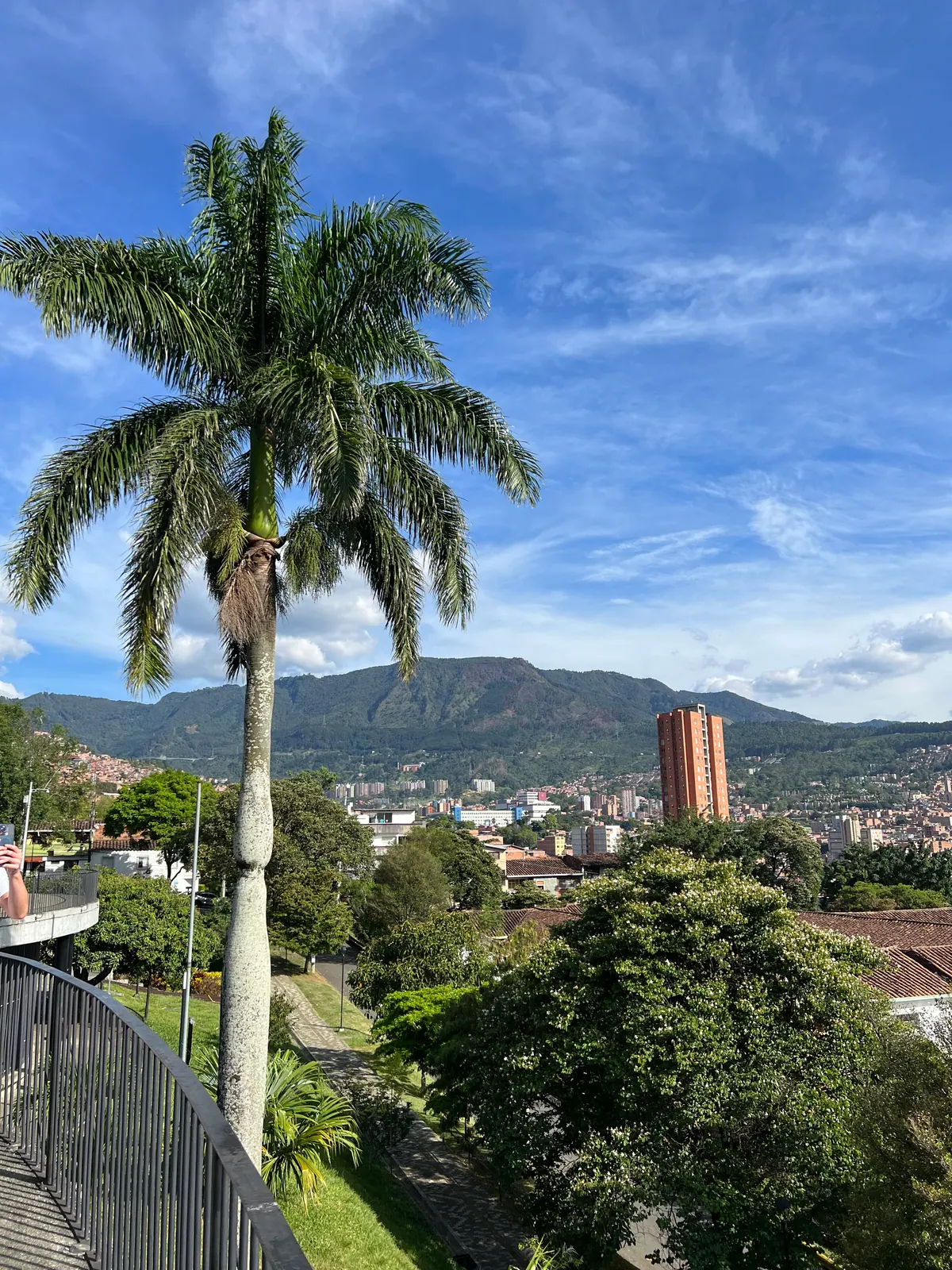
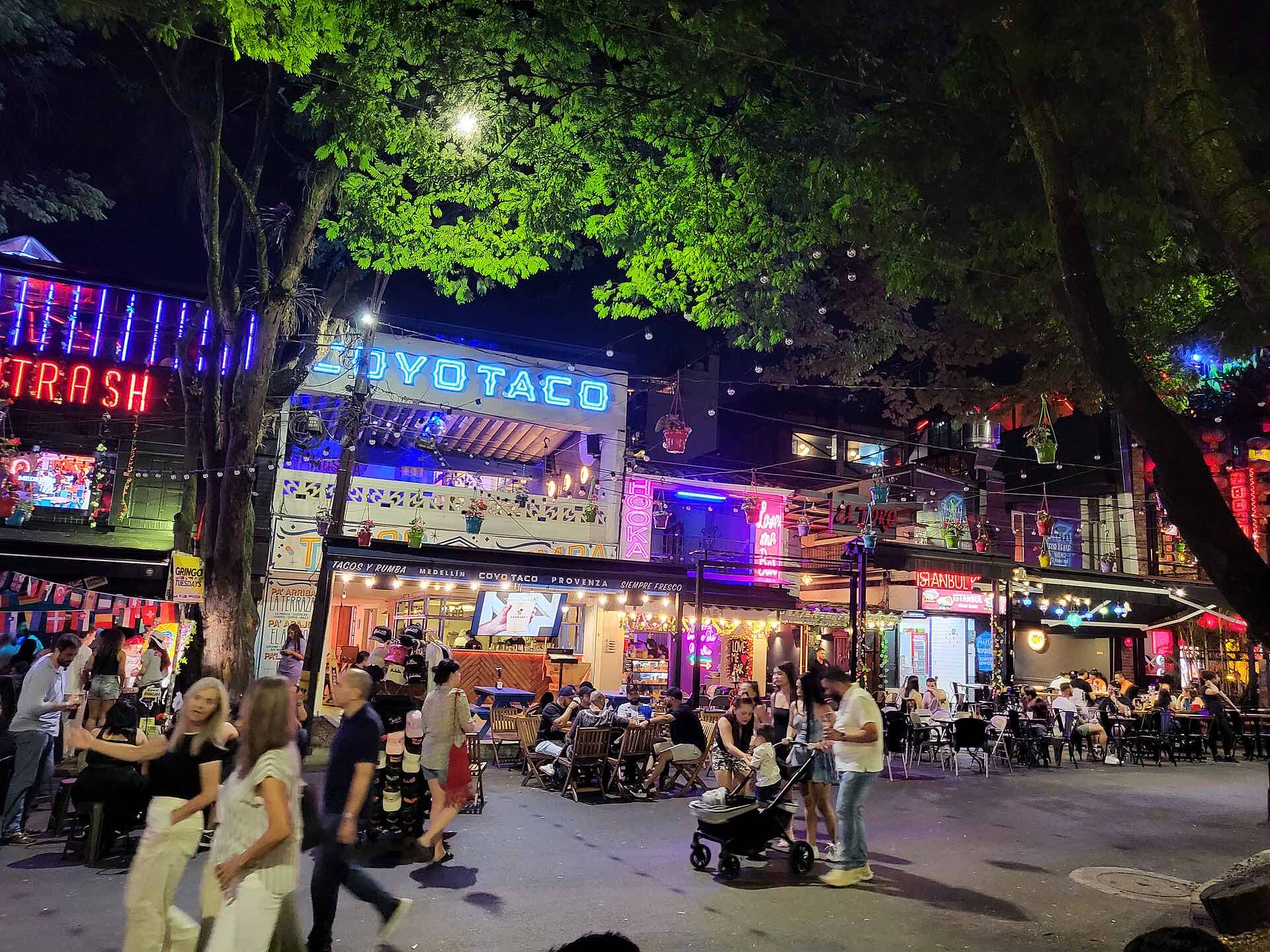
Most visitors stay in El Poblado or Laureles. Both are busy and have plenty of restaurants. Petty crime still happens there, especially around bars and Parque Lleras at night.
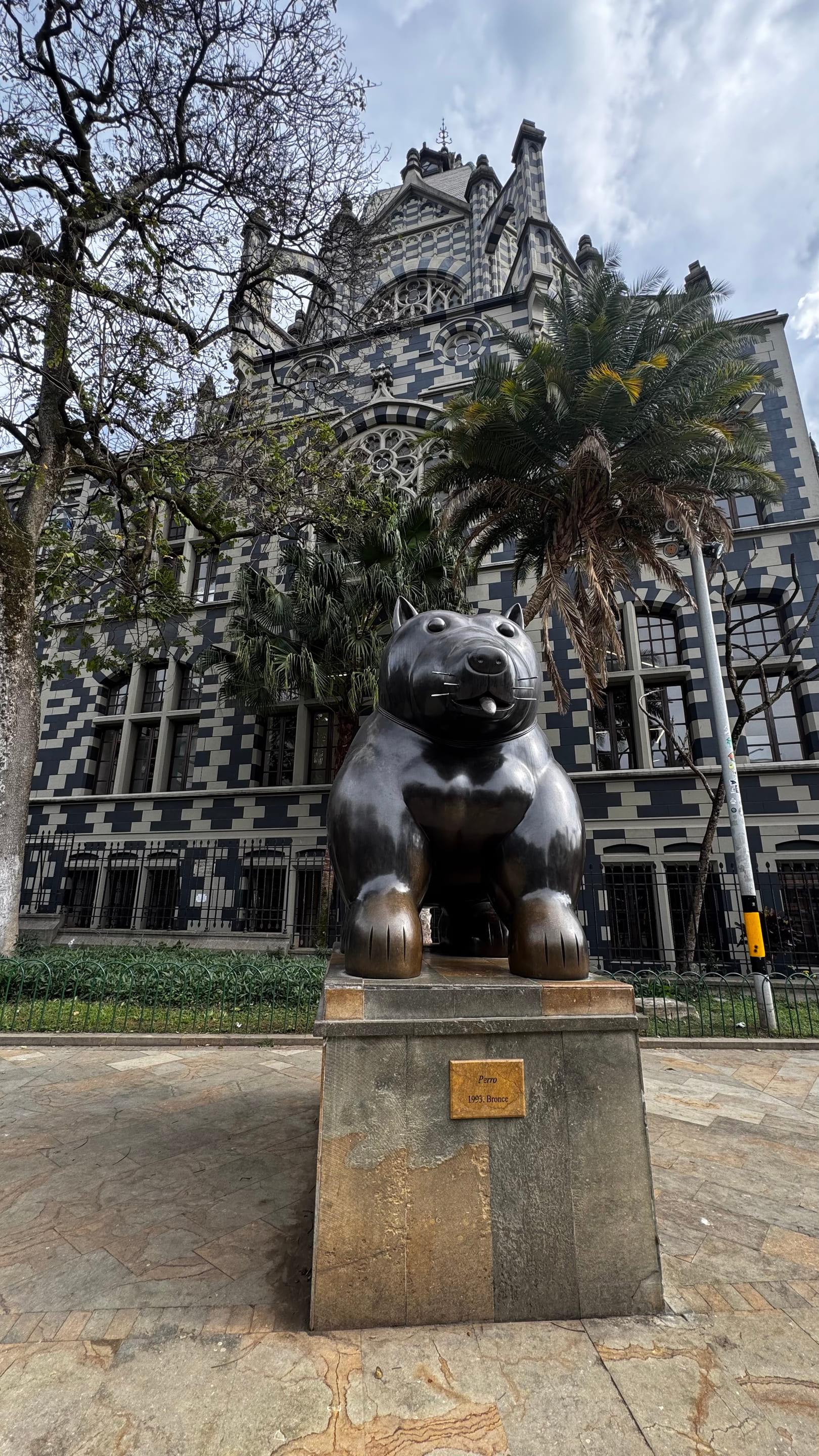
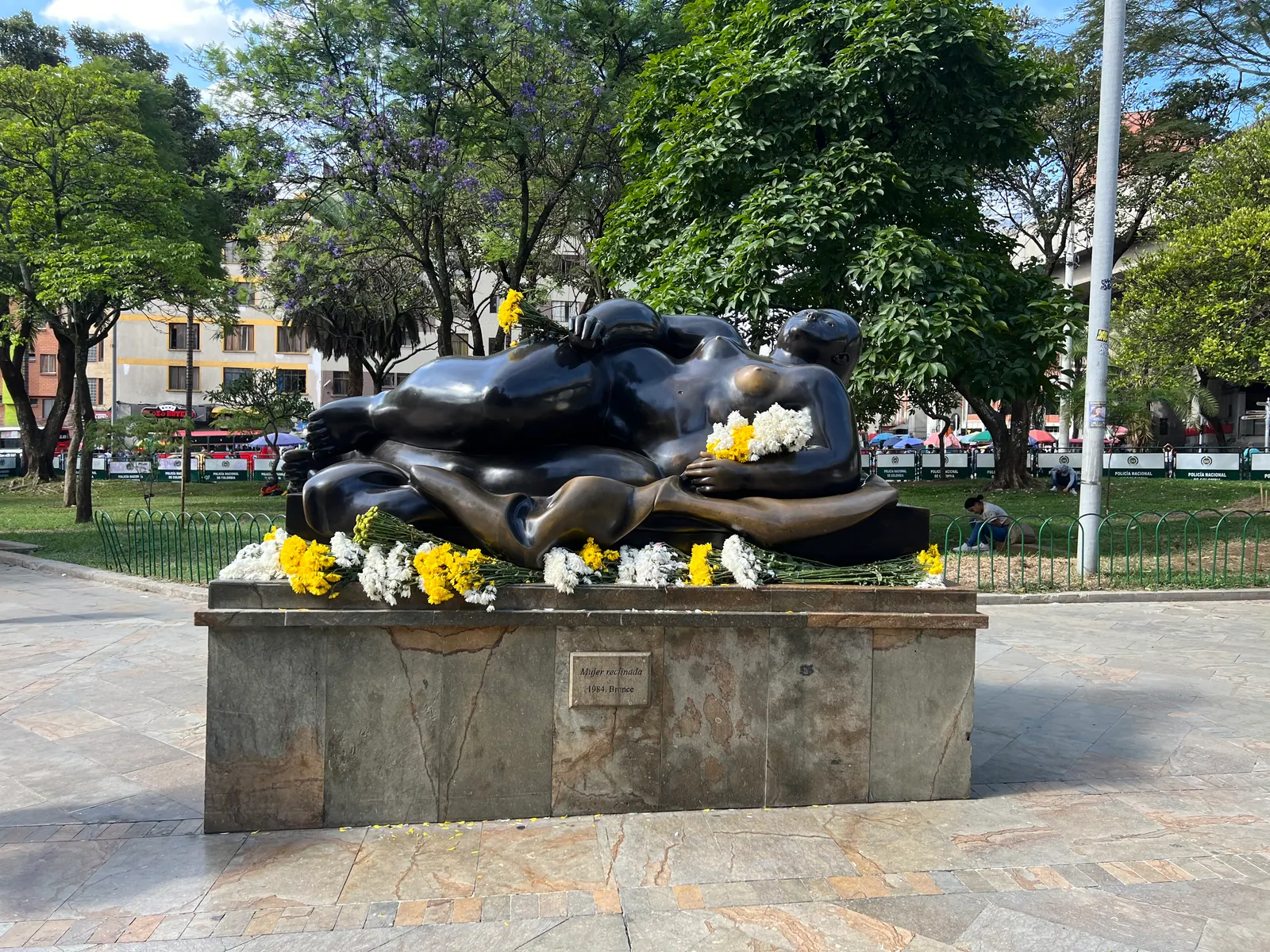
- The city centre (La Candelaria): fascinating during the day, with Plaza Botero and the museums, but crowded and with more theft. Avoid it after dark.
- Parque Lleras and nearby streets: lively at night, and the area where tourists are most often targeted. Stay with friends.
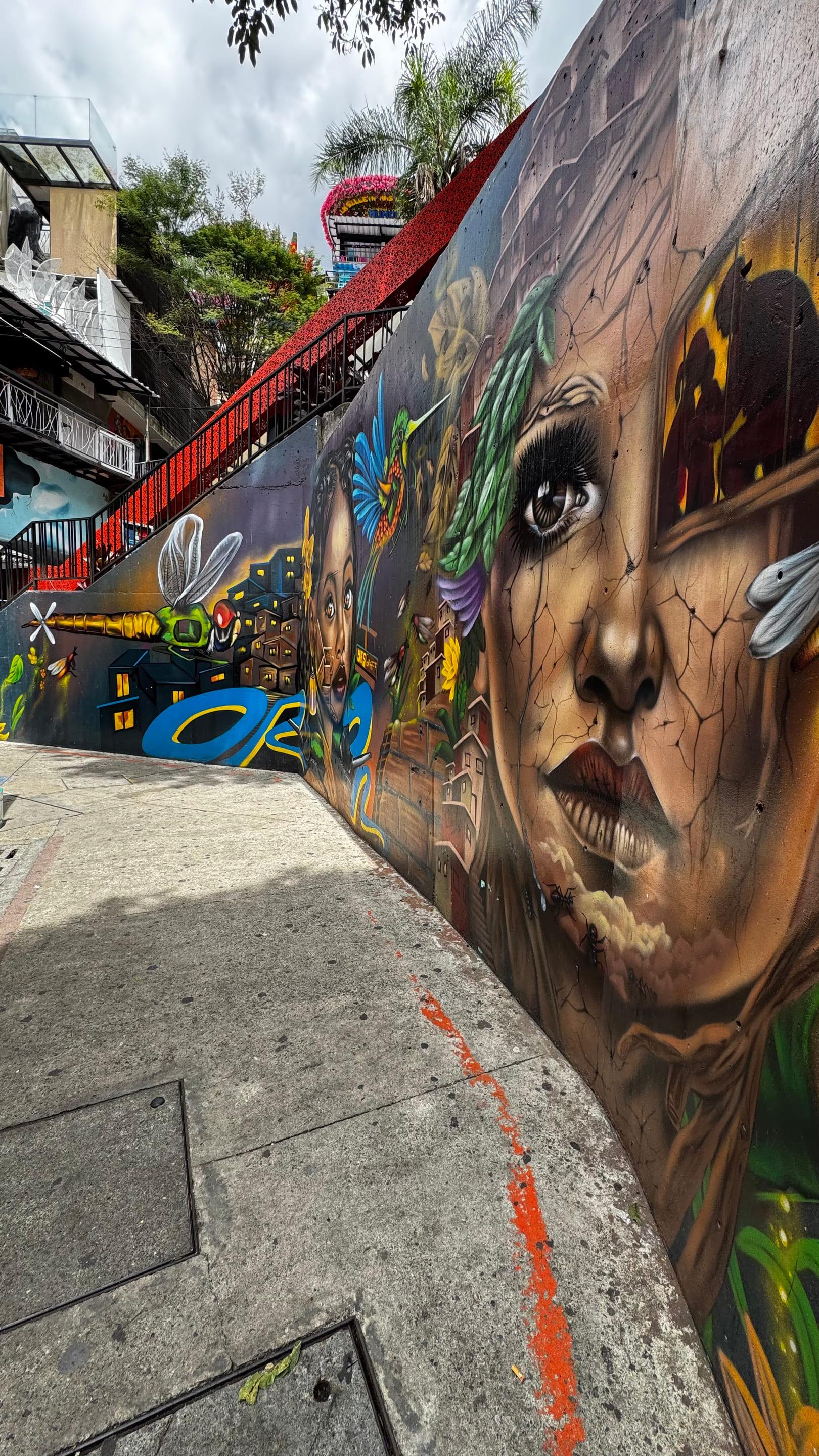
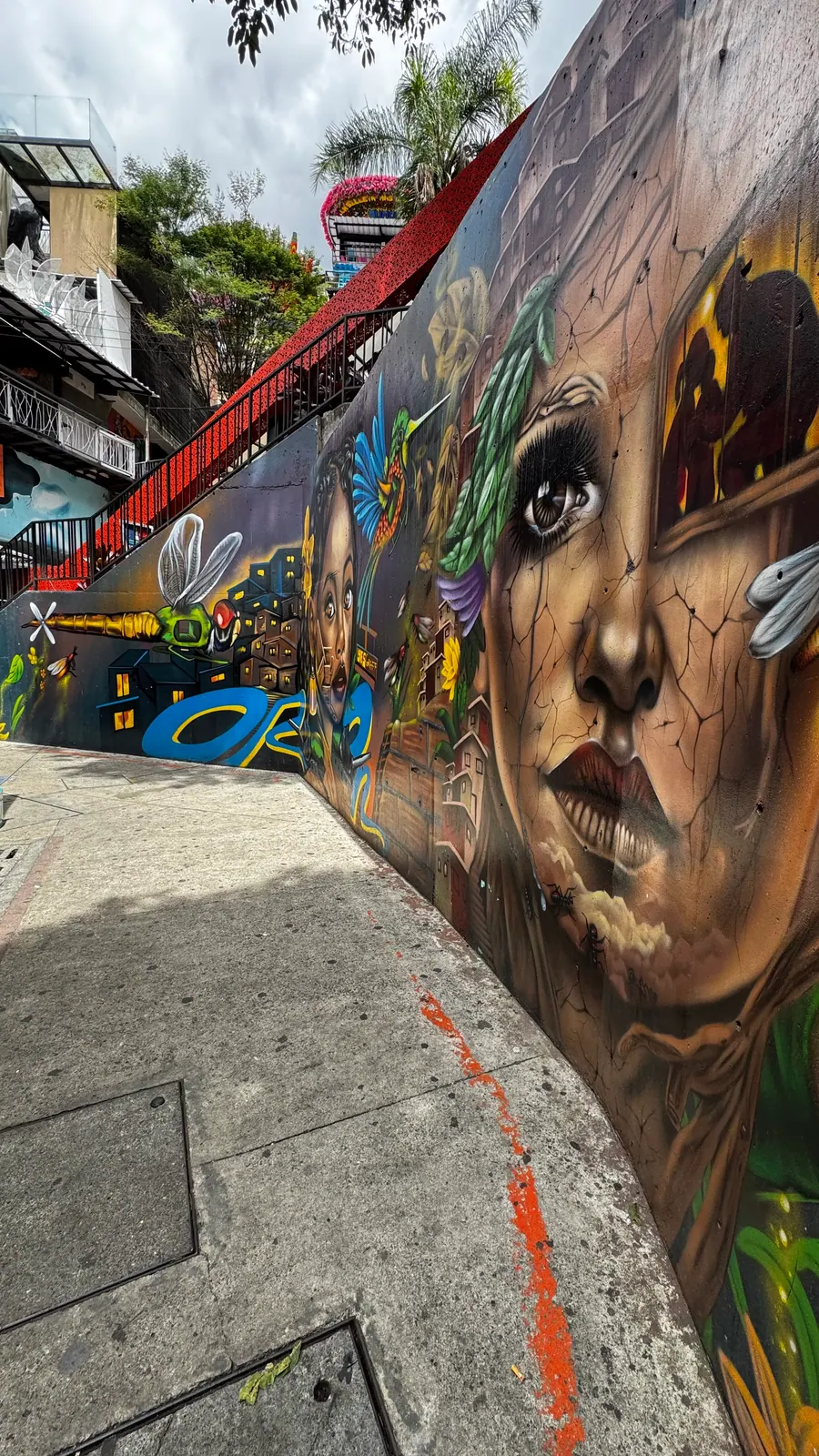
- Comuna 13: safe to visit in the daytime on the main tourist route. Do not go up the hillside alone at night.
- Hillside neighbourhoods and areas far from the tourist routes: go with someone who knows the place, and in the daytime.
Ask your hotel or a local guide which streets to avoid on the day. Conditions change from block to block.
Getting around safely: Metro, taxis and ride-hailing
The Metro is clean, policed and generally safe in the daytime, but watch your phone and bag in the crowd. Armed robberies have been reported on buses, so most visitors prefer the Metro over local buses.
At night, go door to door. Book a taxi through your hotel or restaurant, or order a ride in an app and check the plate and driver before you get in. Do not hail taxis on the street late at night. Sit in the back with your phone away from the window.
Amazing tour with Felipe. He is extremely knowledgeable about the history of Medellín and he makes the tours fun with his humour. Transportation was very comfortable and he suggested some great places to eat while we were sightseeing.What do official travel advisories say?
Several governments, including the United States and the United Kingdom, publish travel advice for Colombia. They give different levels for different regions, and they update them. Check the current page of your own government before you book, not an old blog post.
The UK advice, for example, names Medellín among the large cities where pickpocketing, mugging and armed robbery are a problem, warns about drink spiking and dating-app scams, and says protests can turn violent and cause road closures. Avoid demonstrations and check the news during your stay.
If something goes wrong, and how a private guide helps
- Call 123, the emergency number in Medellín, or ask your hotel to call.
- File a report with the police for insurance, and contact your embassy if your passport is lost or stolen.
- Cancel cards and block your phone as soon as possible.
- If you think a drink was spiked, go to a hospital and tell a friend where you are.
A local guide takes much of the guesswork out of the trip. PH Tours Medellín runs private tours with Felipe (“Pipe”), Andrés and Laura, in English and Spanish. We pick you up at your hotel and use comfortable vehicles. Guests have written that they felt safe with us, including families with young children. Our tour pages are below.
Questions travellers ask
Is Medellín safe for tourists?
Mostly yes, if you take sensible precautions. The main risks are phone and bag theft, drink spiking and robberies linked to dating apps. The city's murder rate is far lower than in the 1990s.
Is Medellín safe at night?
In El Poblado and Laureles, busy streets are fine, but go door to door by licensed taxi or app. Avoid the centre after dark, do not walk home alone late, and never accept drinks from strangers.
Where should you avoid in Medellín?
Avoid the city centre after dark, isolated streets, and hillside areas far from the tourist routes unless you are with someone who knows them. Ask your hotel about the streets to avoid on the day.
Is it safe to use dating apps in Medellín?
Use extra caution. Criminals have used dating apps to lure travellers. Meet in public in the daytime, do not go to a stranger's home, and never leave a drink unattended.
Is Comuna 13 safe to visit?
The main tourist route is busy during the day and visitors generally walk it without problems. Go in daylight, protect your phone and leave before dark.