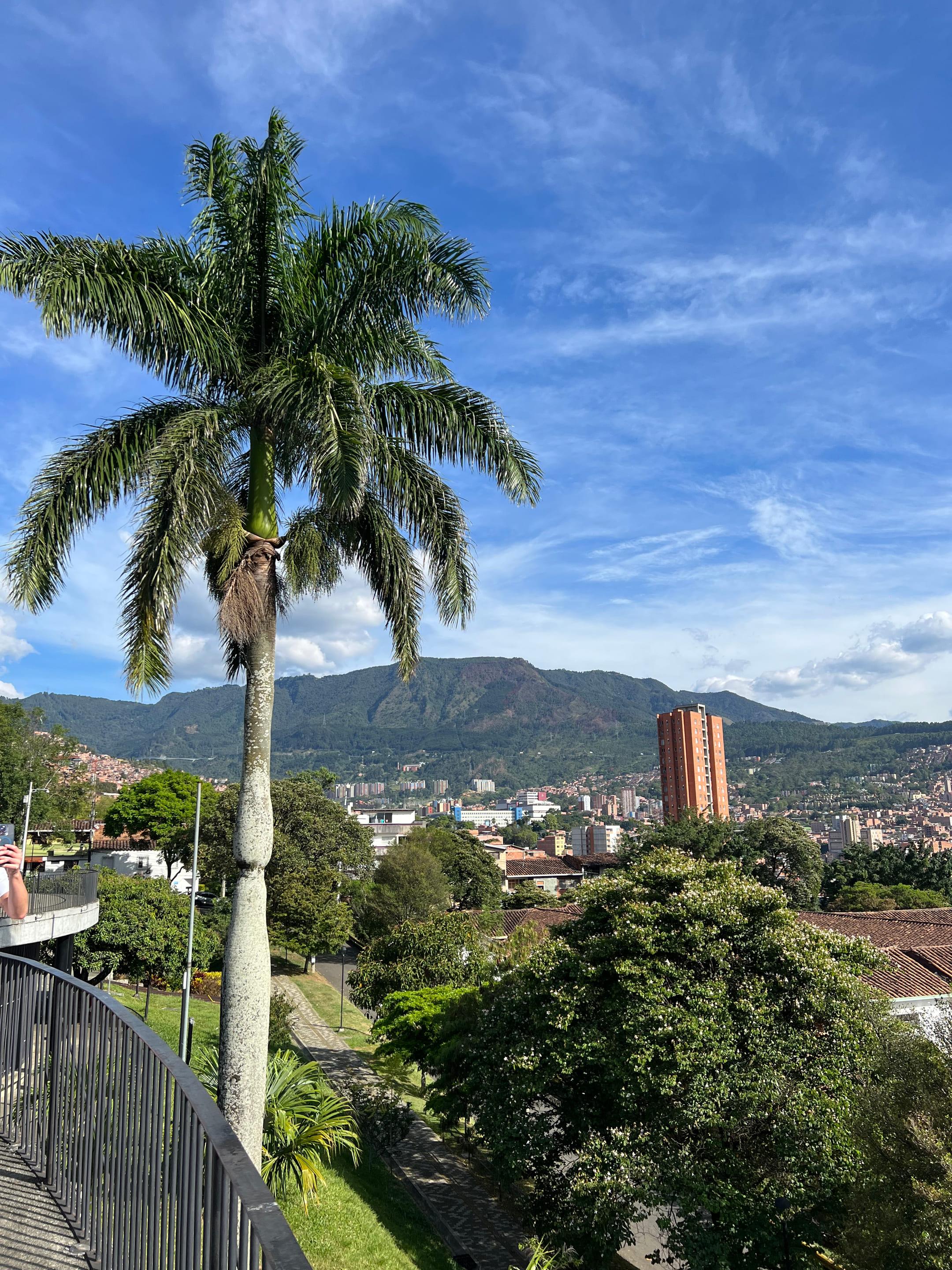
The best things to do in Medellín are a visit to Comuna 13, a ride on the Metrocable up to Parque Arví, a walk through Plaza Botero, and a day trip to Guatapé. Add a coffee farm and a night out in El Poblado and you have a full trip. This guide puts them in a sensible order and tells you what is worth your time.
In this guide (9)
- What are the best things to do in Medellín?
- Start with the city centre: Plaza Botero and the Museo de Antioquia
- Learn the story: Casa de la Memoria and Comuna 13
- Ride the Metro and Metrocable to Parque Arví
- Take a day trip: Guatapé and El Peñol
- Coffee, food and nightlife
- Getting around the city
- How many days do you need, and how should you plan them?
- Seeing it with a private local guide
What are the best things to do in Medellín?
Medellín is a city you enjoy by mixing three things: history, views and food. If you only have a short list, start here:
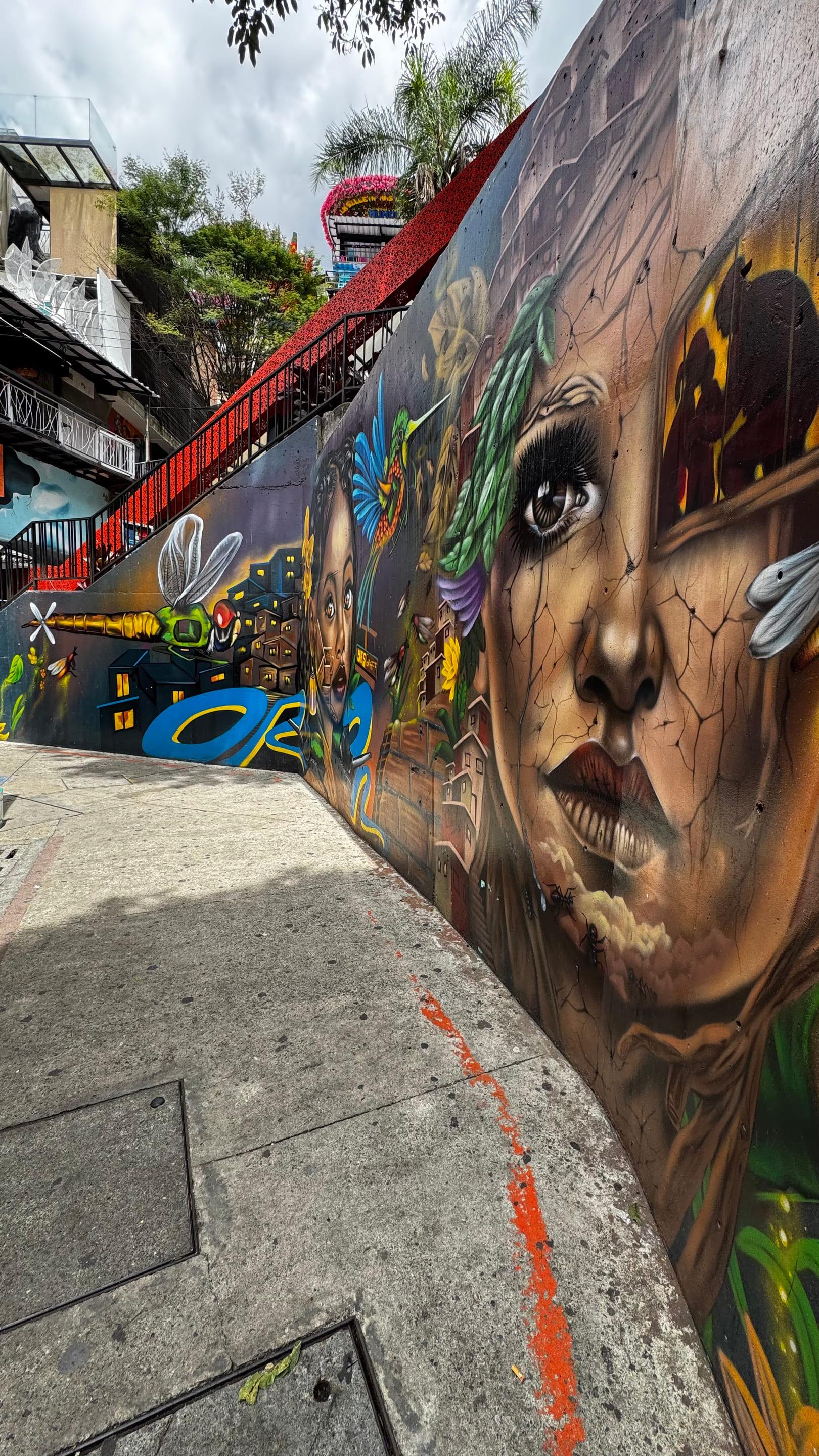
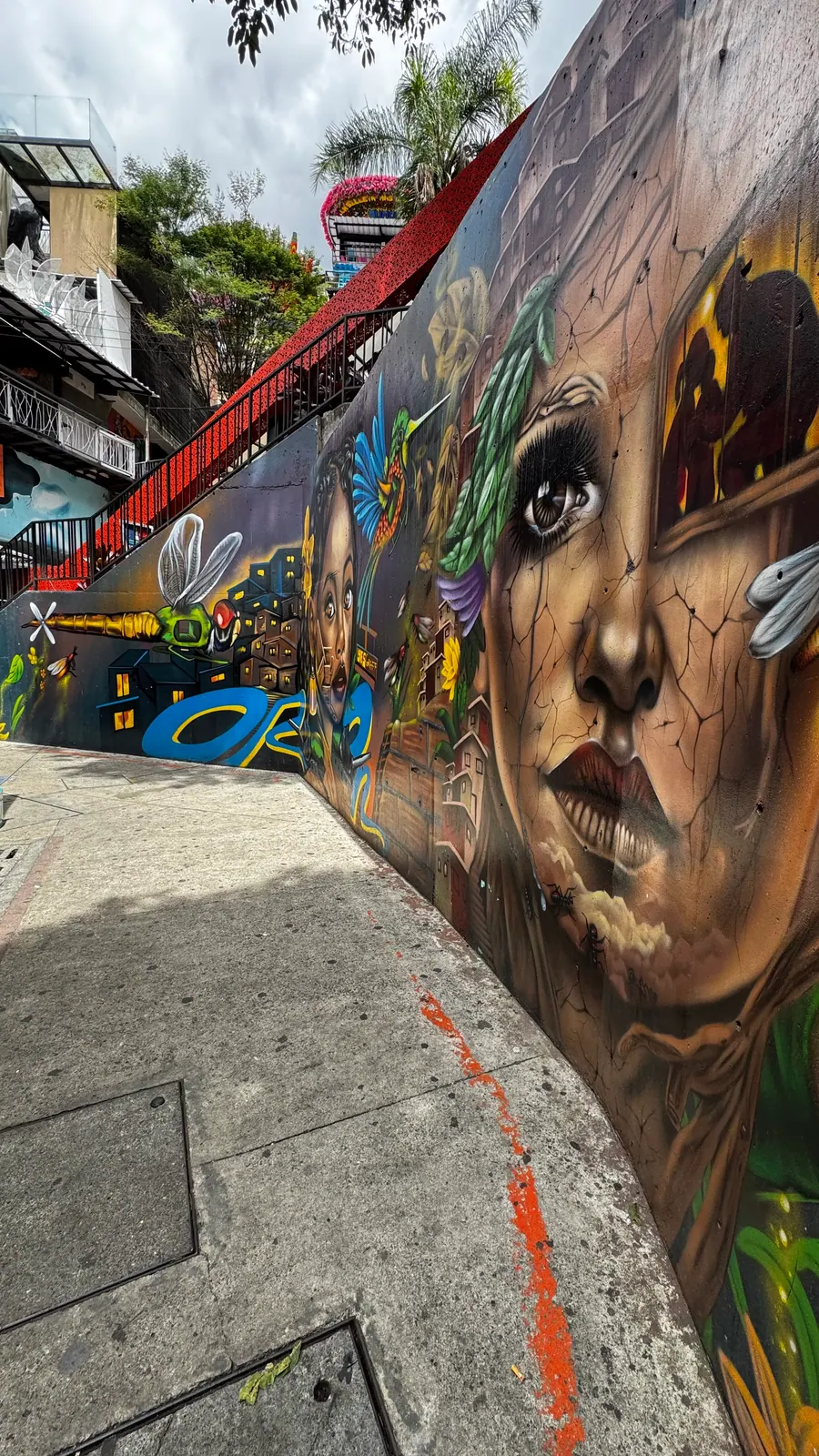
- Comuna 13: street art, outdoor escalators and the story of a neighbourhood that changed.
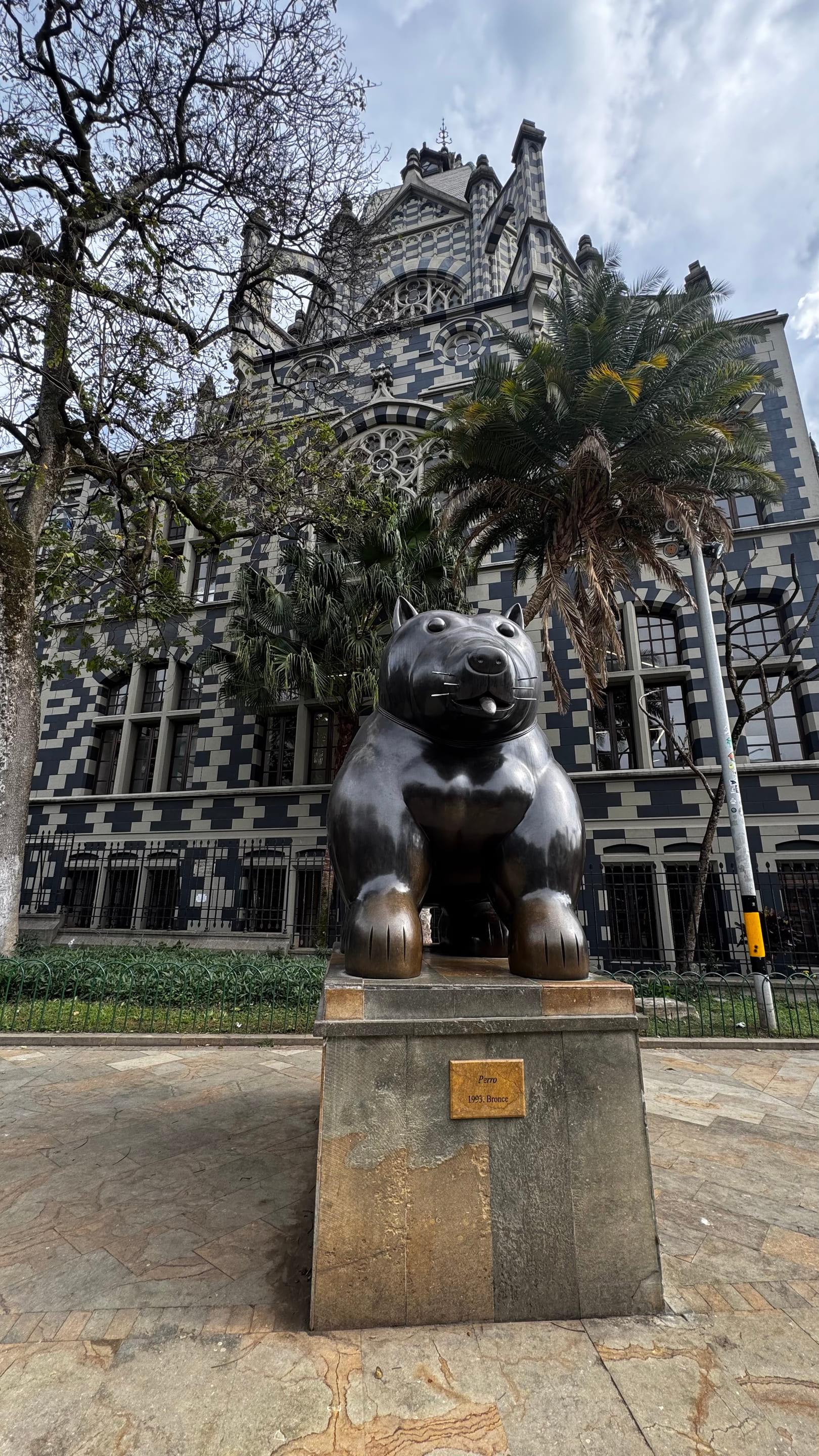
- Plaza Botero and the Museo de Antioquia: the city centre and Fernando Botero's bronze sculptures.
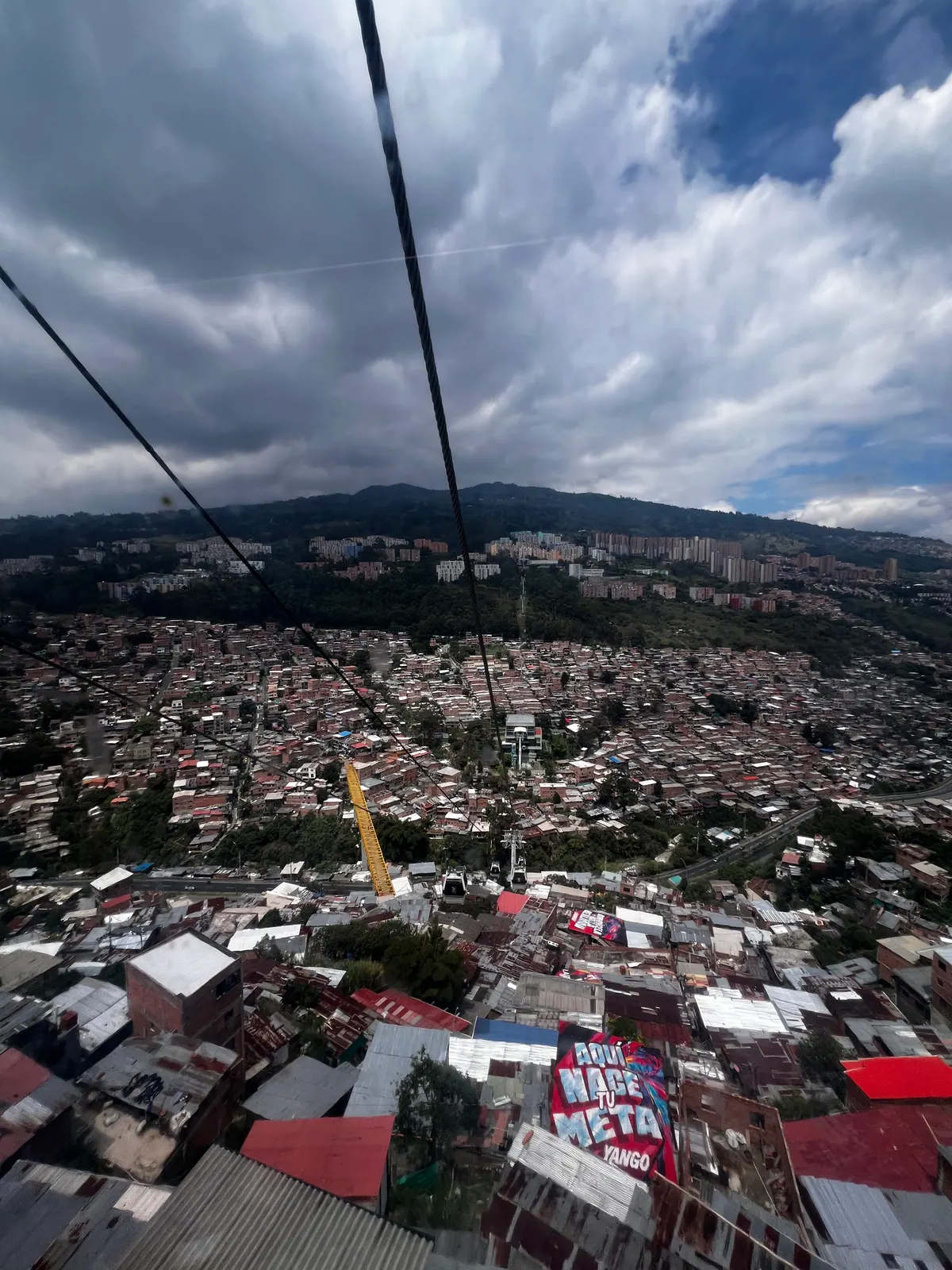
- Metrocable to Parque Arví: a cable car ride over the hillside barrios, then forest trails.
- Casa de la Memoria museum: the clearest way to understand the violence of the 1980s and 1990s.
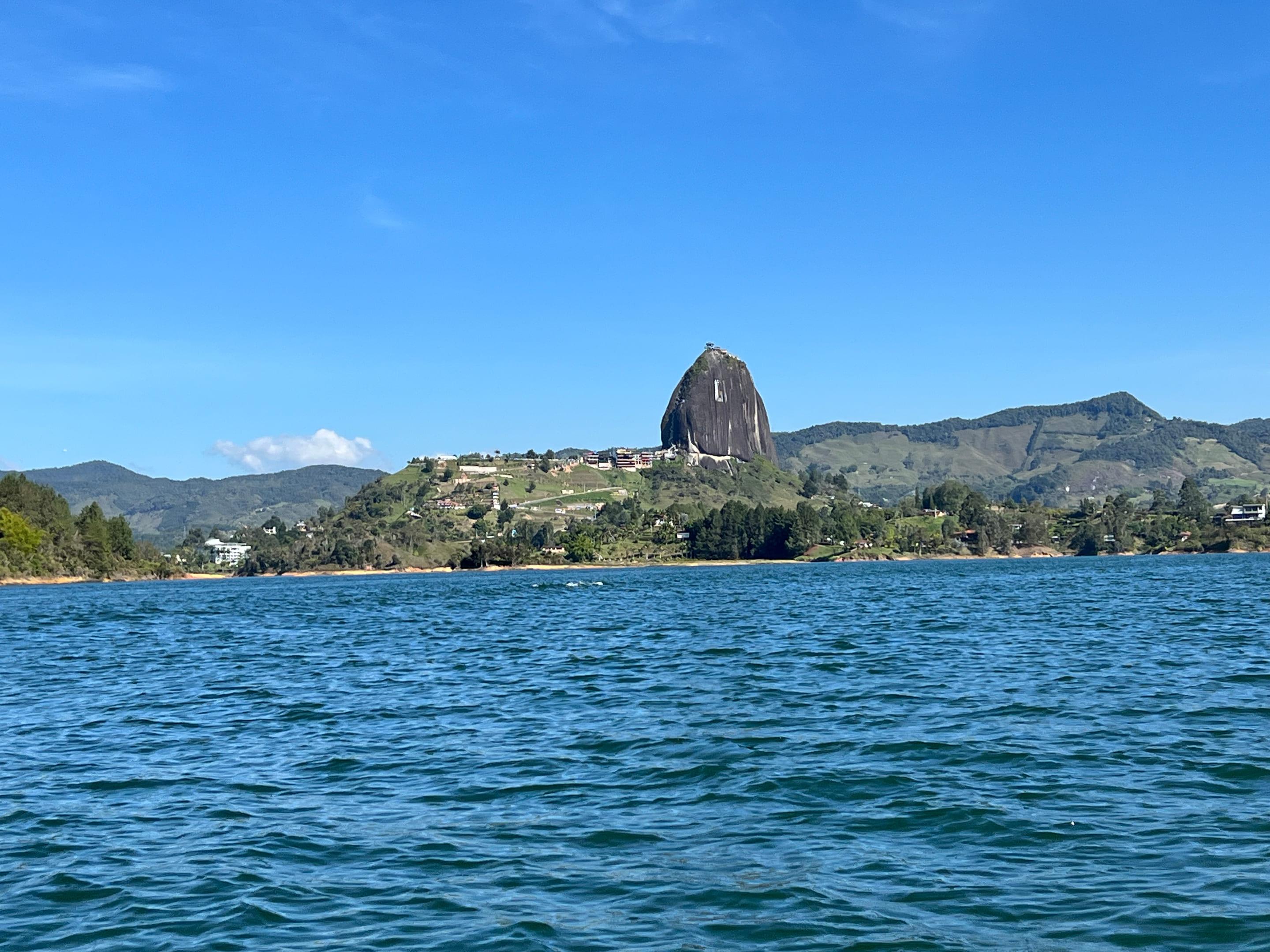
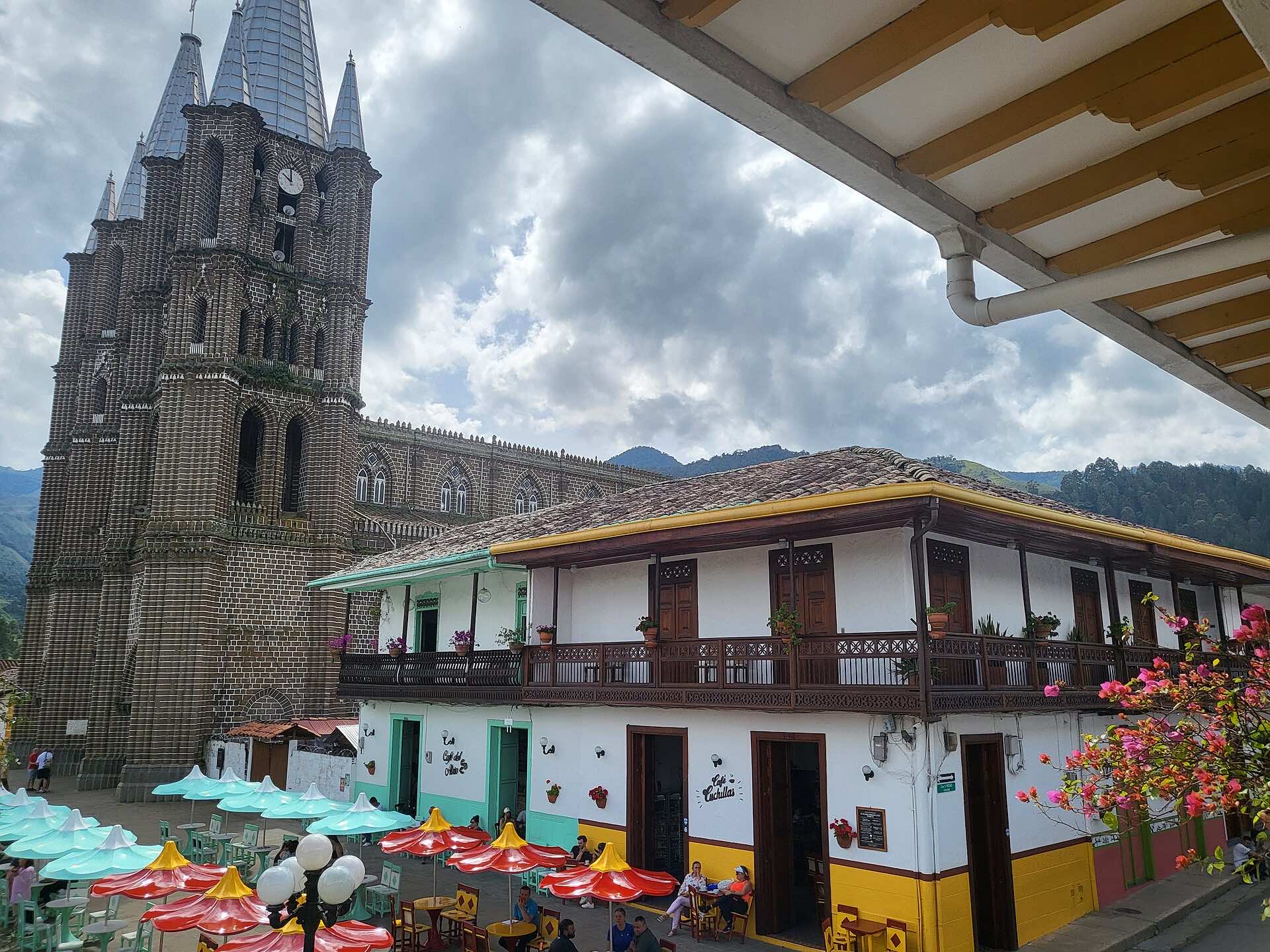
- Guatapé and El Peñol: the most popular day trip, with a huge granite rock and a colourful lake town.
- A coffee farm visit: Antioquia is coffee country, and you can see the process from the plant to the cup.
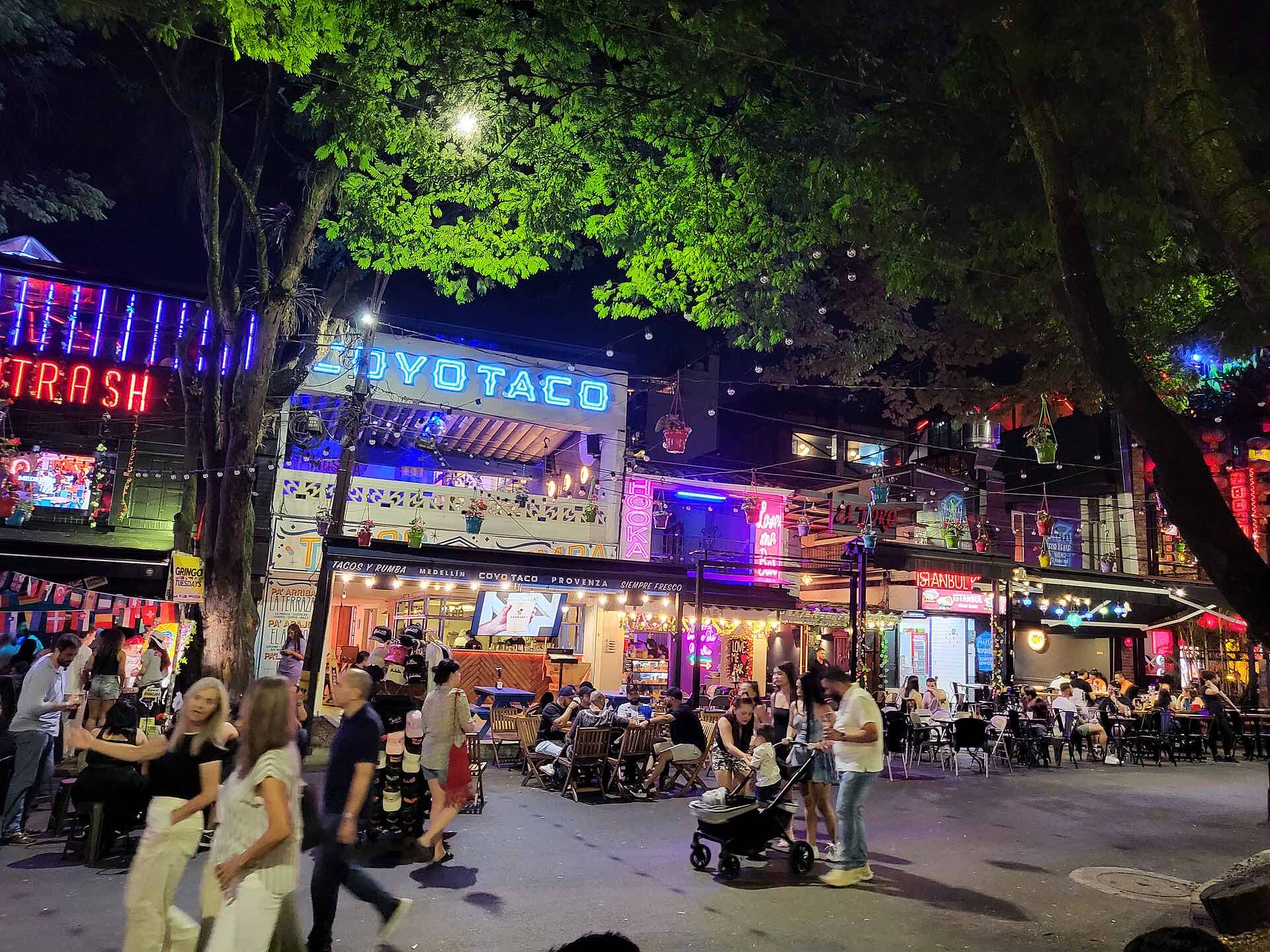
- El Poblado at night: restaurants, rooftop bars and Parque Lleras.
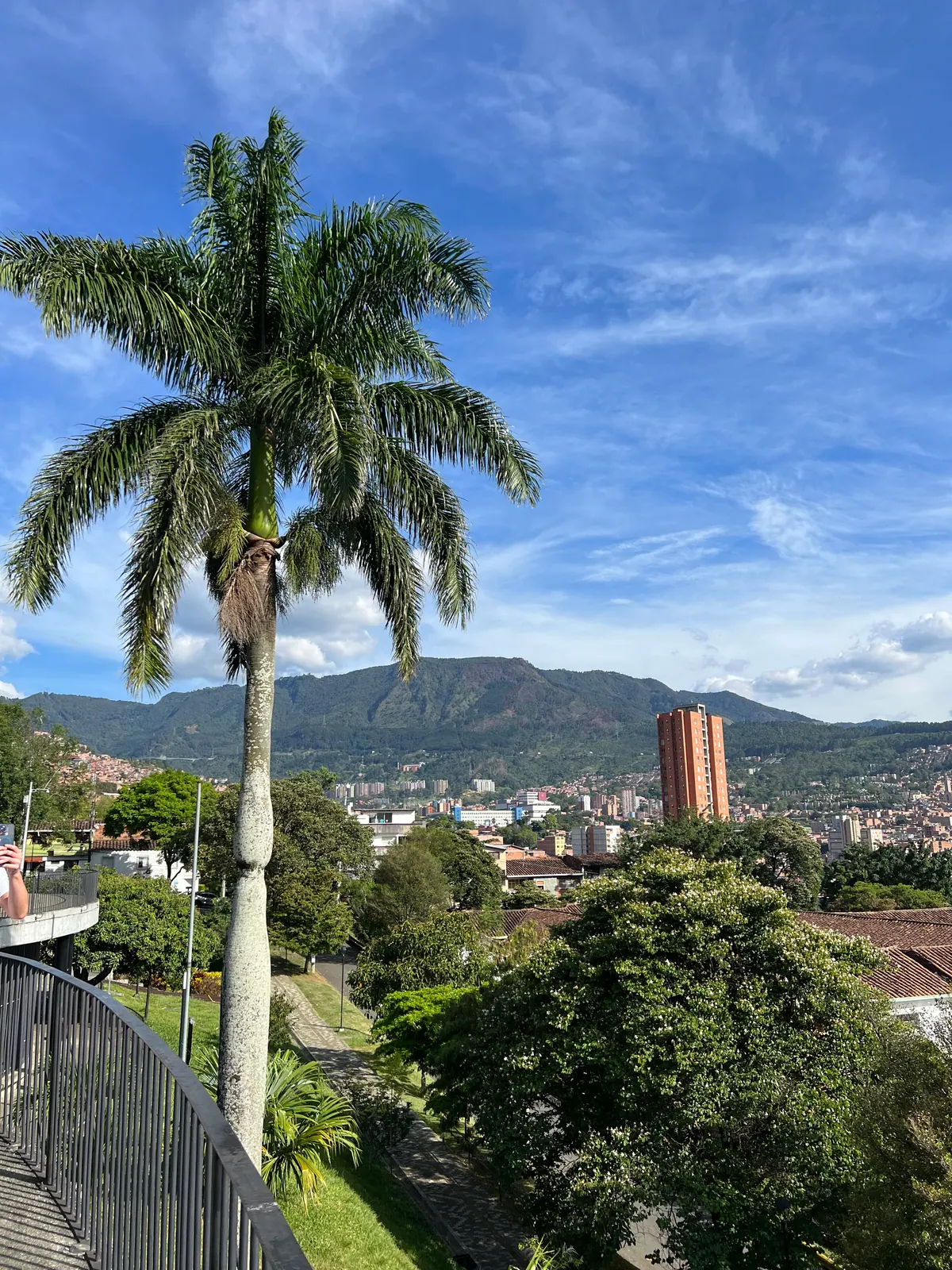
Medellín sits at about 1,500 metres above sea level in a valley, so mornings are usually the best time for views and afternoons often bring rain. Plan outdoor things early and museums for later.
Start with the city centre: Plaza Botero and the Museo de Antioquia
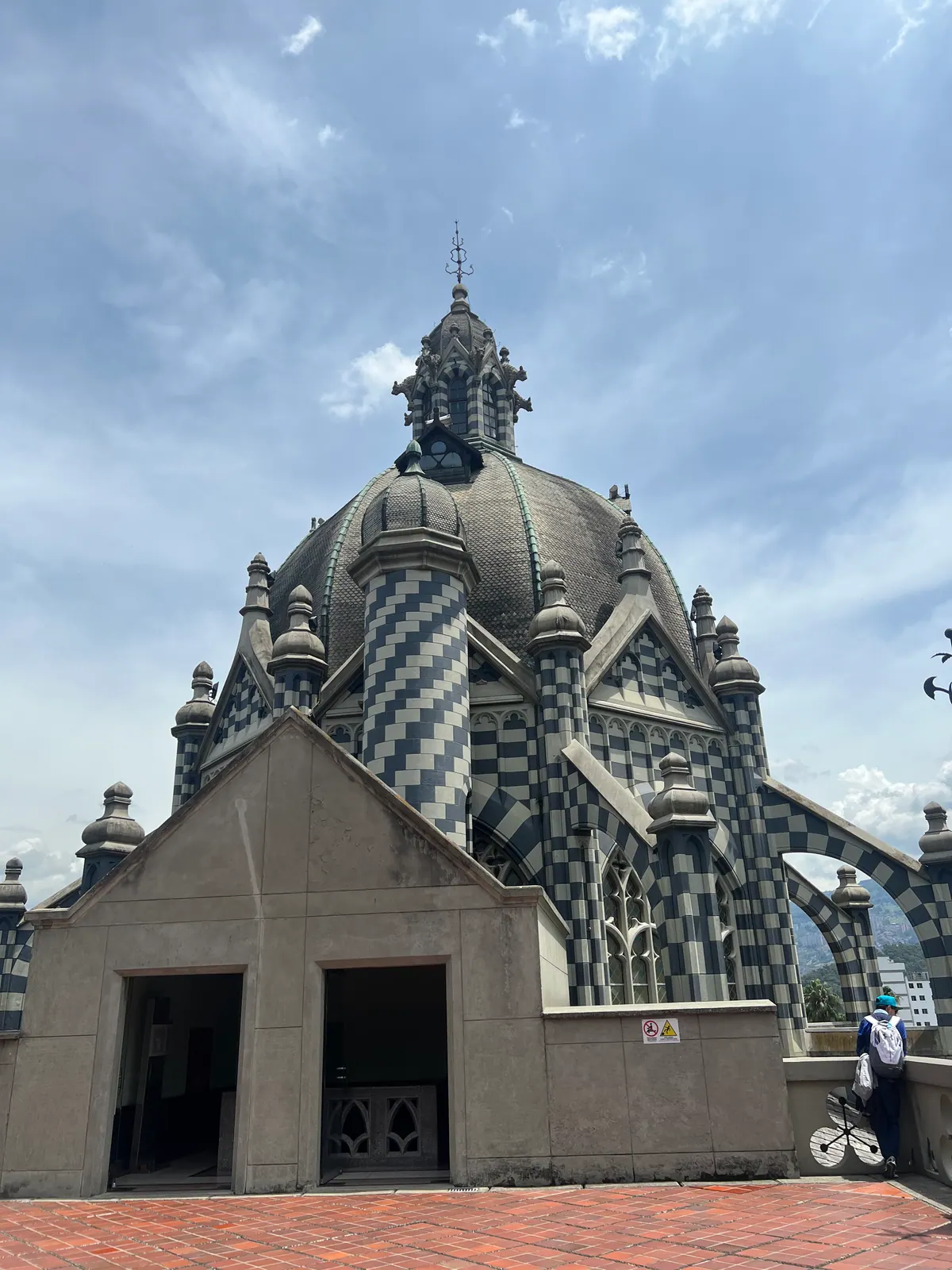
Plaza Botero is a public square with 23 bronze sculptures by Fernando Botero, the Medellín-born artist known for his rounded figures. You walk among them for free. The Museo de Antioquia sits on the same plaza and holds a large part of his donated work.
The nearest metro stop is Parque Berrío on Line A, a short walk away. The centre is busy and crowded, so keep your phone in a front pocket and visit in daylight.
Learn the story: Casa de la Memoria and Comuna 13
Medellín was once known mainly for violence. The Museo Casa de la Memoria, at Calle 51 No. 36-66, tells the story of the conflict from the point of view of victims. Entry is free, and the museum lists its hours as Tuesday to Friday 9:00 to 18:00 and weekends and public holidays 10:00 to 16:00. Hours can change, so confirm them first.
Comuna 13
Comuna 13 is the hillside neighbourhood of San Javier. Today it is known for murals, hip-hop and six sections of outdoor escalators opened in 2011, which replaced a climb of more than 350 steps. It also has a painful history, including military operations in 2002. A local guide gives context that a wall of graffiti cannot. Our separate guide explains the history and whether you can visit without a guide.
Ride the Metro and Metrocable to Parque Arví
The Metro is clean, cheap and the best way to see how the city is built. For Parque Arví, take the Metro to Acevedo, change to Metrocable Line K up to Santo Domingo, then change again to Line L, which climbs over forest to the park. Line L needs its own ticket, which you buy at Santo Domingo.
Arví is a nature reserve with walking trails and a Sunday market feel on busy days. The cable car itself is half the fun, because you pass directly above homes on the steep hillsides. The line closes for yearly maintenance, so check Metro de Medellín for current service.
Take a day trip: Guatapé and El Peñol
Guatapé is about 80 kilometres from the city. The trip takes around two hours each way by road. The main attraction is La Piedra del Peñol, a granite monolith with a staircase to the top and views over a lake dotted with islands. Guatapé town is known for its painted relief panels, called zócalos, and for its lakefront.
You can get there by public bus or on a tour. We explain both in our guide to getting from Medellín to Guatapé. Starting early matters, because the rock gets crowded by late morning.
Coffee, food and nightlife
- Coffee farm: a half day or full day at a working farm shows you picking, drying and roasting. A tasting at the end is the best part.
- Local food: try a bandeja paisa (a large plate with beans, rice, pork and more), arepas, and fresh juices from the markets. Eat where locals queue at lunch.
- El Poblado: the district where most visitors stay. It has the restaurants, rooftop bars and Parque Lleras.
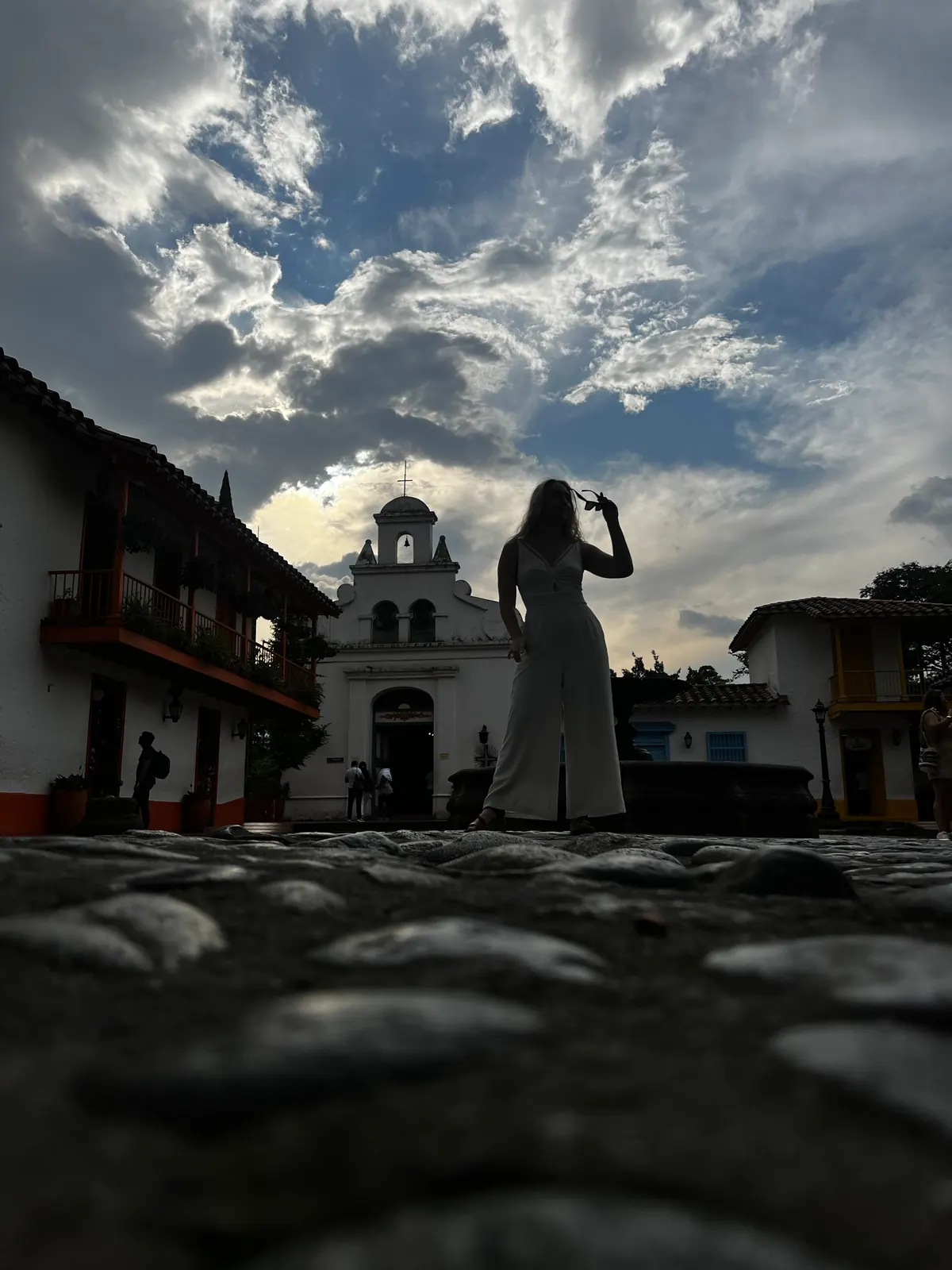
- Pueblito Paisa: a small replica of a traditional Antioquian village on Cerro Nutibara, with a good view of the city.
At night, take a licensed taxi or a ride-hailing car from door to door. Do not walk home alone late, and never accept drinks from strangers. Our safety guide has the full list.
PH Tours Medellín made my time in Colombia unforgettable. He was extremely knowledgeable as he took us through Comuna 13, Guatapé, Medellín, and several other places around Colombia.Getting around the city
The Metro runs north to south along the valley floor and is the easiest way to move between the centre, El Poblado and the Metrocable lines. Stations are clean and signposted, and you pay with a card you buy at the ticket window. Use it in the daytime and avoid the busiest commuter hours if you carry a backpack.
For everything else, use licensed taxis or a ride-hailing app. Ask your hotel to call a taxi, or order the car from inside the building and check the plate before you get in. Traffic is heavy at rush hour, so a trip that takes 15 minutes at midday can take much longer at 6 pm.
How many days do you need, and how should you plan them?
Three days covers the main sights without rushing. Two days works if you skip the day trip. With one day, choose between Comuna 13 with the centre, or Guatapé.
- Day 1: Plaza Botero, Museo de Antioquia, Casa de la Memoria, lunch in the centre.
- Day 2: Comuna 13 in the morning, Metrocable or Parque Arví after lunch.
- Day 3: Guatapé and El Peñol, or a coffee farm.
If you have more time, see our guides on how many days to spend in Medellín and the best day trips from the city.
Seeing it with a private local guide
You can do all of this alone, and many travellers do. A private guide helps most on the parts that need context or logistics: Comuna 13, the history of the city, and the long day to Guatapé. PH Tours Medellín is a small team led by Felipe (“Pipe”), with Andrés and Laura. We run private tours in English and Spanish, pick you up at your hotel anywhere in Medellín, and use comfortable vehicles. Guests often mention Felipe's local knowledge and his photos.
Write to us on WhatsApp with your dates and interests, and we will suggest a plan that fits them. You can also see the Comuna 13, Guatapé and city tour pages below.
Questions travellers ask
What is a must do in Medellín?
Most visitors rank Comuna 13, the Metrocable and a day trip to Guatapé at the top. Plaza Botero and the Casa de la Memoria museum are worth adding if you want to understand the city's history.
How many days in Medellín is enough?
Three days is enough for the main sights: the centre, Comuna 13 and one day trip. Two days is possible if you keep to the city. One extra day lets you add a coffee farm or a second excursion.
Are there free things to do in Medellín?
Yes. Walking around Plaza Botero is free, and so is entry to the Casa de la Memoria museum. Comuna 13 is a public neighbourhood and you can walk it without a ticket. Check current rules before you go.
What can I do in Medellín at night?
El Poblado has the most restaurants and bars, including Parque Lleras. Use a licensed taxi or ride-hailing app to get around, keep your drink in sight, and avoid walking alone late.
Is Medellín worth visiting?
Yes, for the mix of culture, mountain scenery and food, plus the story of how the city changed. Read our safety guide first so you know the common risks and how to avoid them.