Pablo Escobar Medellín is a story of a drug trafficker who led the Medellín Cartel, waged a campaign of terror against Colombia in the 1980s and early 1990s, and was killed by police on 2 December 1993. The city he shaped has since changed deeply. This guide tells the facts plainly, and keeps the victims at the centre.
In this guide (8)
- The Pablo Escobar Medellín story: who was he?
- Timeline: from the cartel to the manhunt
- What did the violence mean for Medellín?
- How did Pablo Escobar die?
- How did Medellín change after Escobar?
- Is Pablo Escobar still popular in Colombia? The debate over “narco tourism”
- Where can you learn about this history in and around Medellín?
- Learning on the ground with a local guide
The Pablo Escobar Medellín story: who was he?
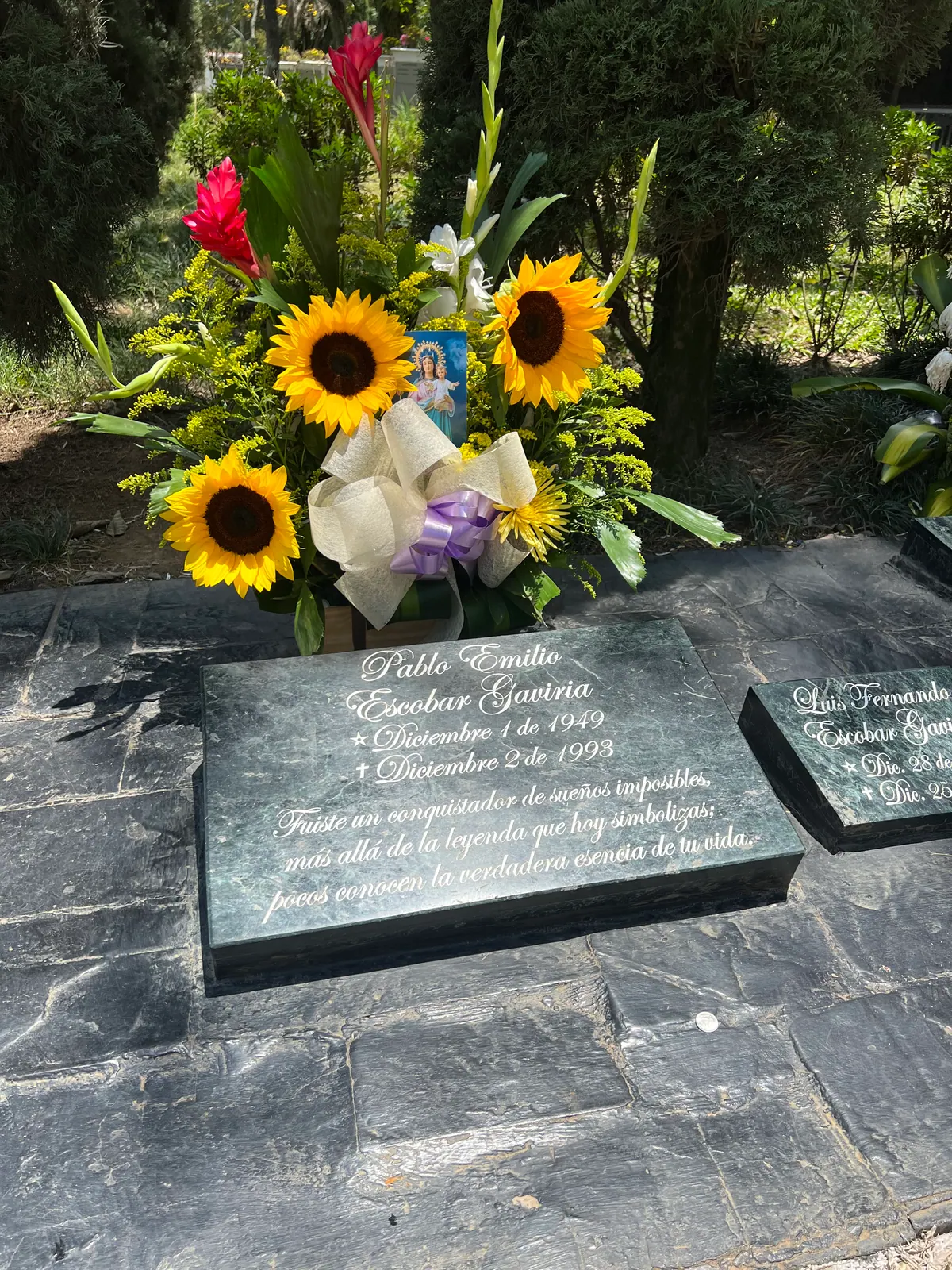
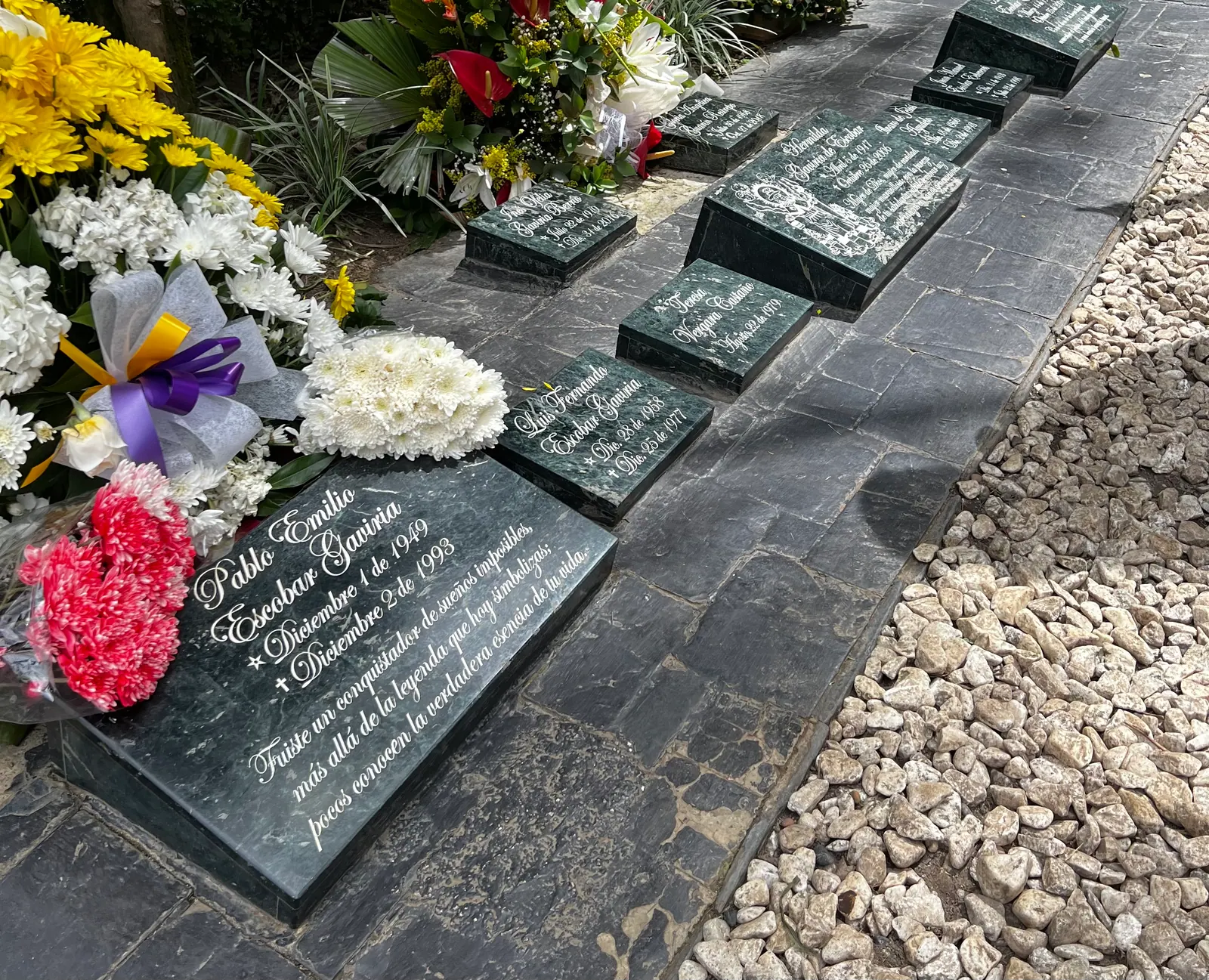
Pablo Emilio Escobar Gaviria was born on 1 December 1949 in Rionegro, Antioquia, a town near Medellín, not in the city itself. He grew up in the Medellín area, started with petty crime, and by the mid-1970s was part of the cocaine trade. In 1976 he helped found what became known as the Medellín Cartel.
He sought legitimacy as well as money. In 1982 he was elected as an alternate member of Colombia's Chamber of Representatives. He announced his retirement from politics in January 1984. Three months later, Justice Minister Rodrigo Lara Bonilla, who had exposed his links to drug trafficking, was murdered.
Timeline: from the cartel to the manhunt
- 30 April 1984: Justice Minister Rodrigo Lara Bonilla is shot dead in Bogotá, on Escobar's orders.
- 1986: the Supreme Court strikes down the extradition treaty with the United States. On 17 December, Guillermo Cano, director of the newspaper El Espectador, is murdered.
- 1988: a car bomb badly damages the Edificio Mónaco in Medellín, a building Escobar had built for his family.
- 18 August 1989: presidential candidate Luis Carlos Galán is assassinated on Escobar's orders.
- 27 November 1989: a bomb destroys Avianca Flight 203 in the air, killing everyone on board. The target, candidate César Gaviria, was not on the plane.
- 6 December 1989: a bus bomb explodes outside the DAS security agency headquarters in Bogotá.
- June 1991: after a new constitution bans the extradition of Colombian nationals, Escobar surrenders and enters La Catedral, a prison built to his specifications near Envigado.
- 22 July 1992: he escapes when the government tries to move him to a regular prison.
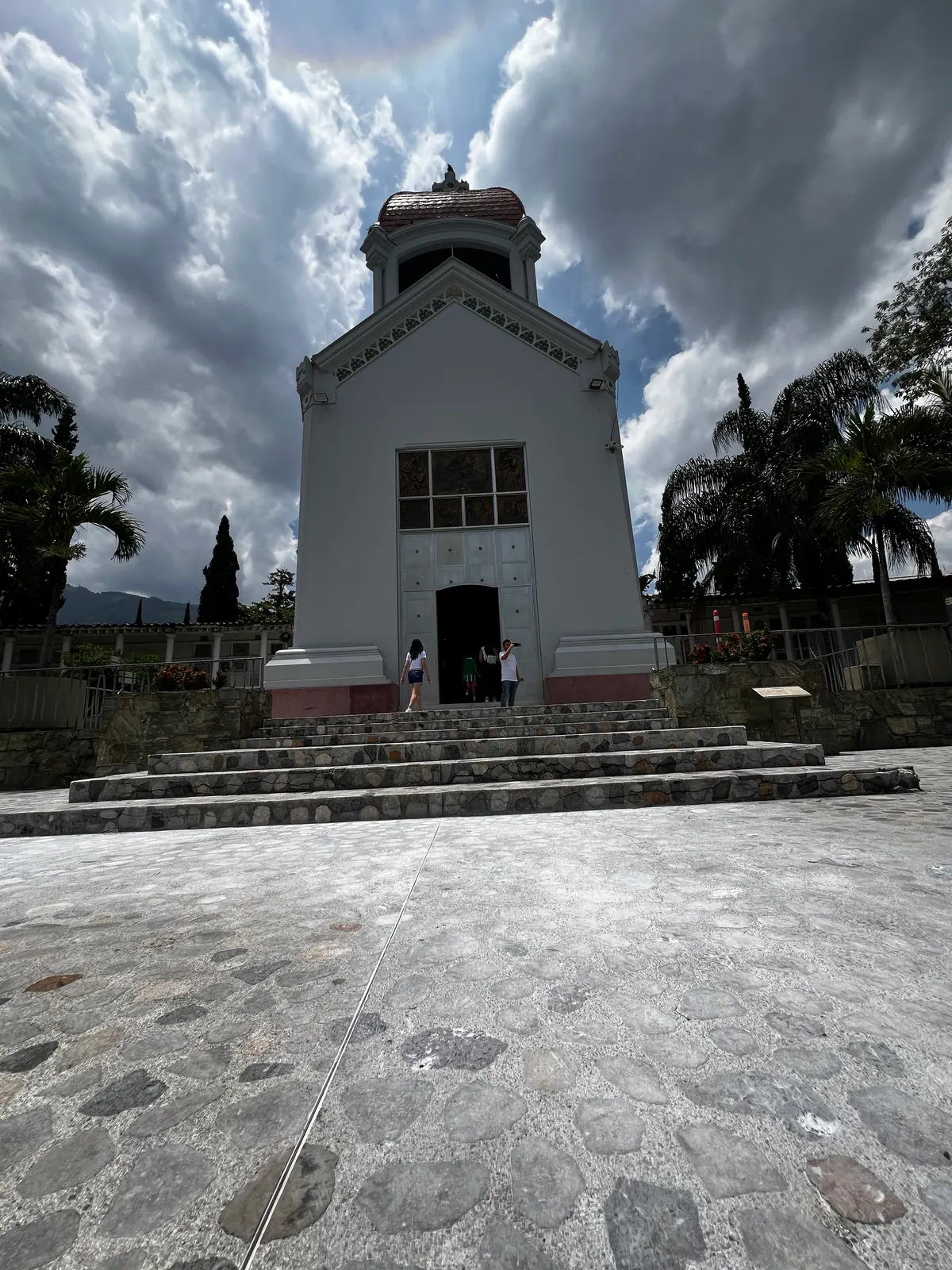
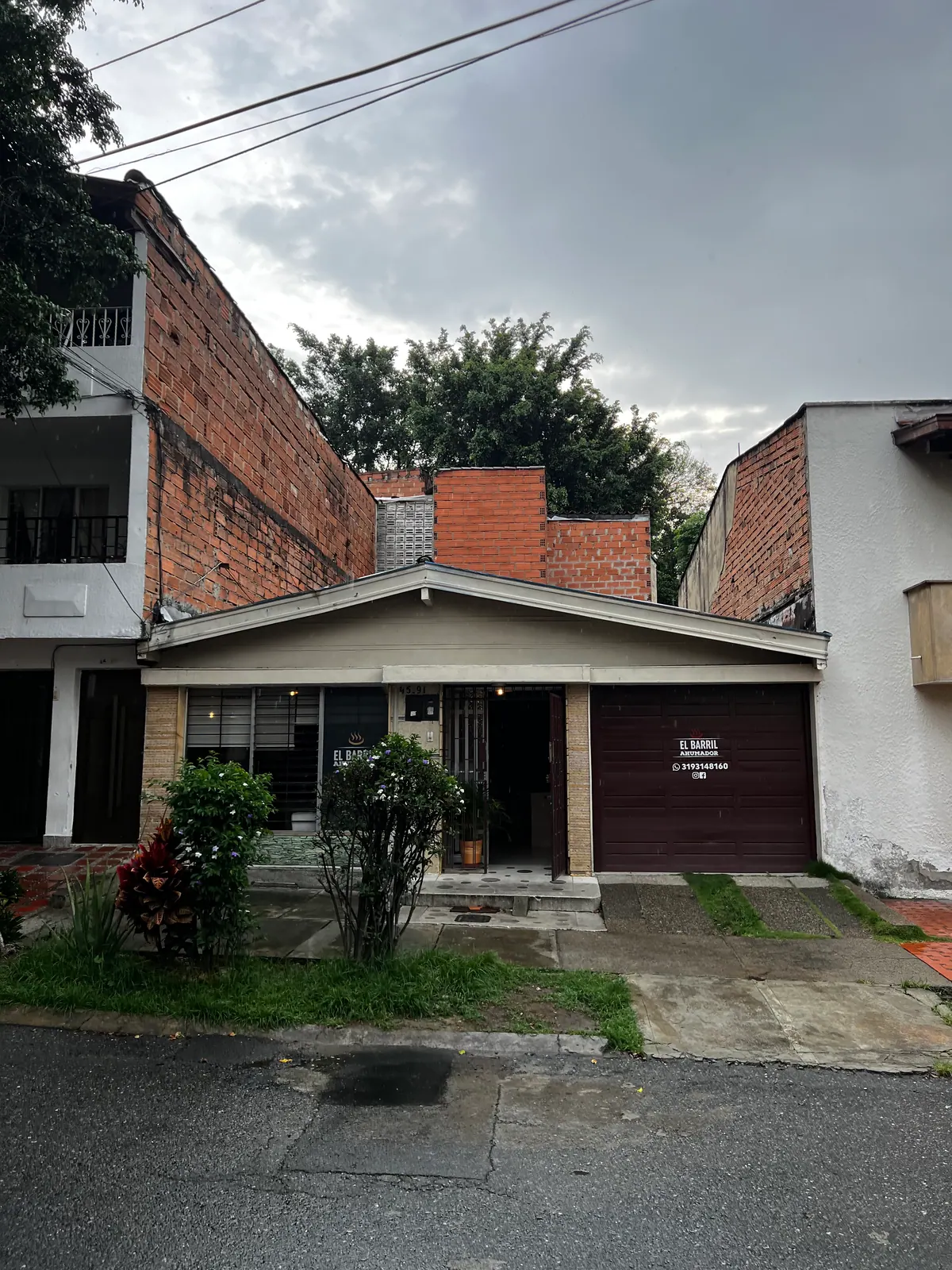
- 2 December 1993: Colombian police kill Escobar on a rooftop in the Los Olivos neighbourhood of Medellín, a day after his 44th birthday.
Estimates of the number of people killed because of Escobar and his cartel vary widely, and sources do not agree on one figure. What is clear is that the victims included judges, journalists, politicians, police officers and ordinary citizens.
What did the violence mean for Medellín?
For people living in the city, the 1980s and early 1990s were years of car bombs, killings of police officers and a constant fear. Medellín's homicide rate peaked in 1991: sources put it at around 380 murders per 100,000 residents, among the highest ever recorded for a city, with roughly 6,300 killings that year.
The violence did not stop with Escobar's death. Other groups, gangs and later paramilitary forces fought for the territory and the business he left behind, and neighbourhoods such as Comuna 13 lived through some of the worst years in the early 2000s. Our guide to Comuna 13 explains that part of the story.
How did Pablo Escobar die?
After escaping La Catedral in July 1992, Escobar spent about 16 months on the run while the Colombian police, with international support, searched for him. A group of his enemies who called themselves Los Pepes also hunted his network. On 2 December 1993, police tracked him to a house in Los Olivos in western Medellín. He was shot on the roof while trying to flee.
Accounts differ on details of the final shots, and the question of who fired remains debated. What is not in doubt is the date, the place and that the Colombian authorities ended the manhunt that day.
How did Medellín change after Escobar?
The change took years and came from several directions: investment in public transport, public spaces, community programmes and local organisations, and also from reduced violence. A 2023 academic study reports that murders in the city fell by about 90 percent over three decades. Experts disagree on how much each policy contributed, so be wary of a single simple explanation.
- Metrocable lines connected hillside barrios to the Metro, starting in the 2000s.
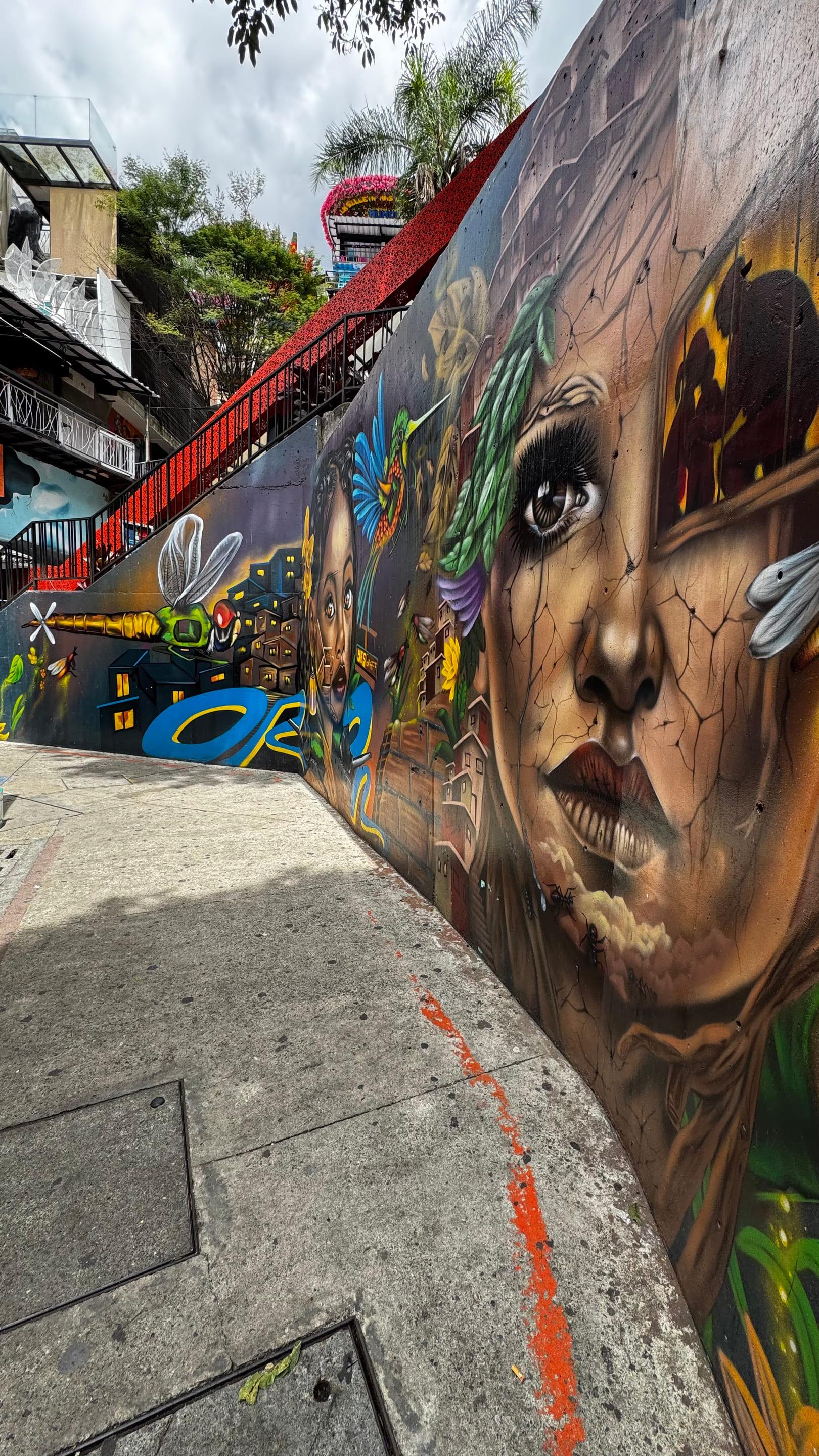
- The outdoor escalators of Comuna 13 opened in 2011.
- The Museo Casa de la Memoria opened to tell the story of the conflict from the victims' perspective. Entry is free.
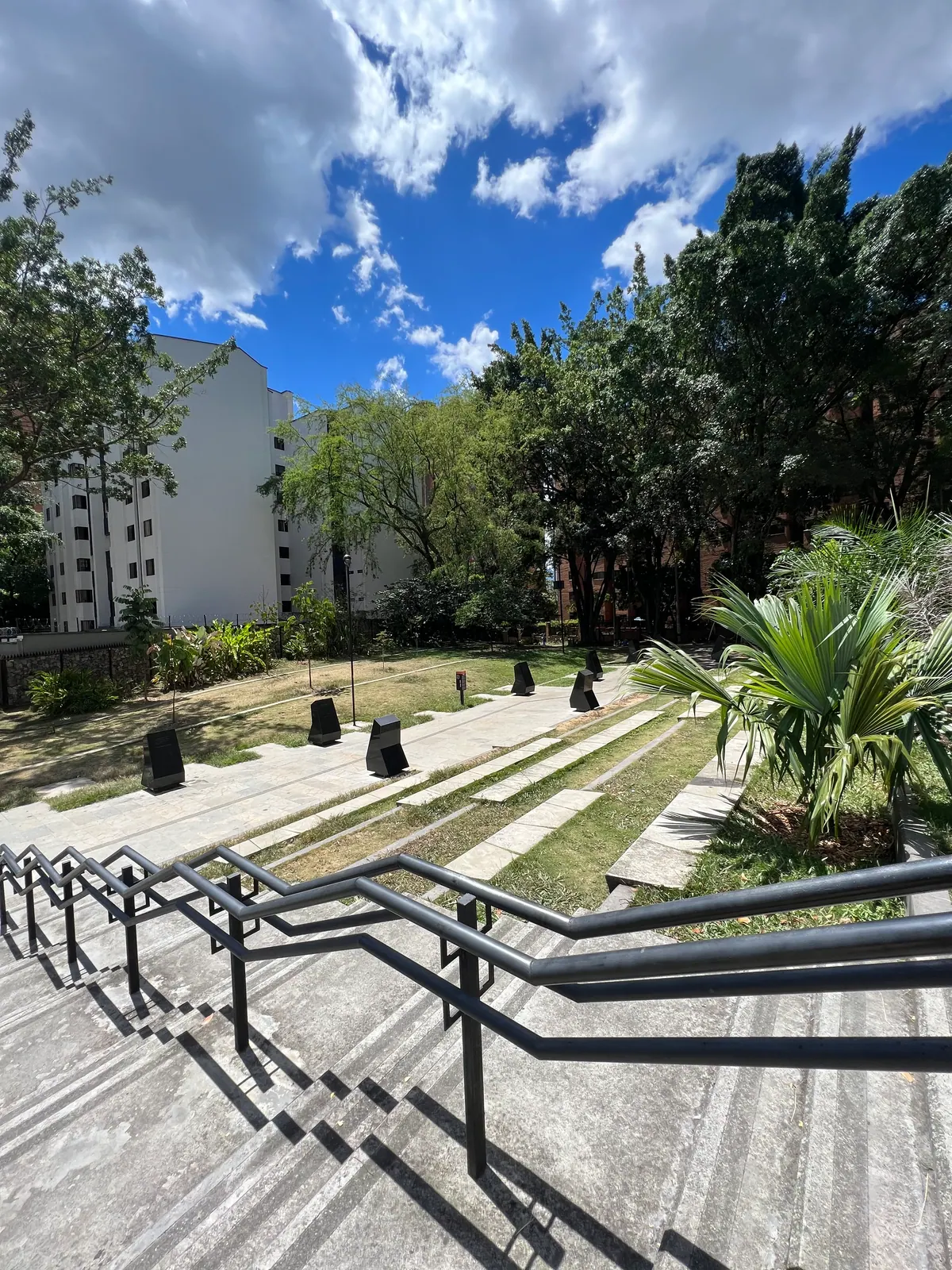
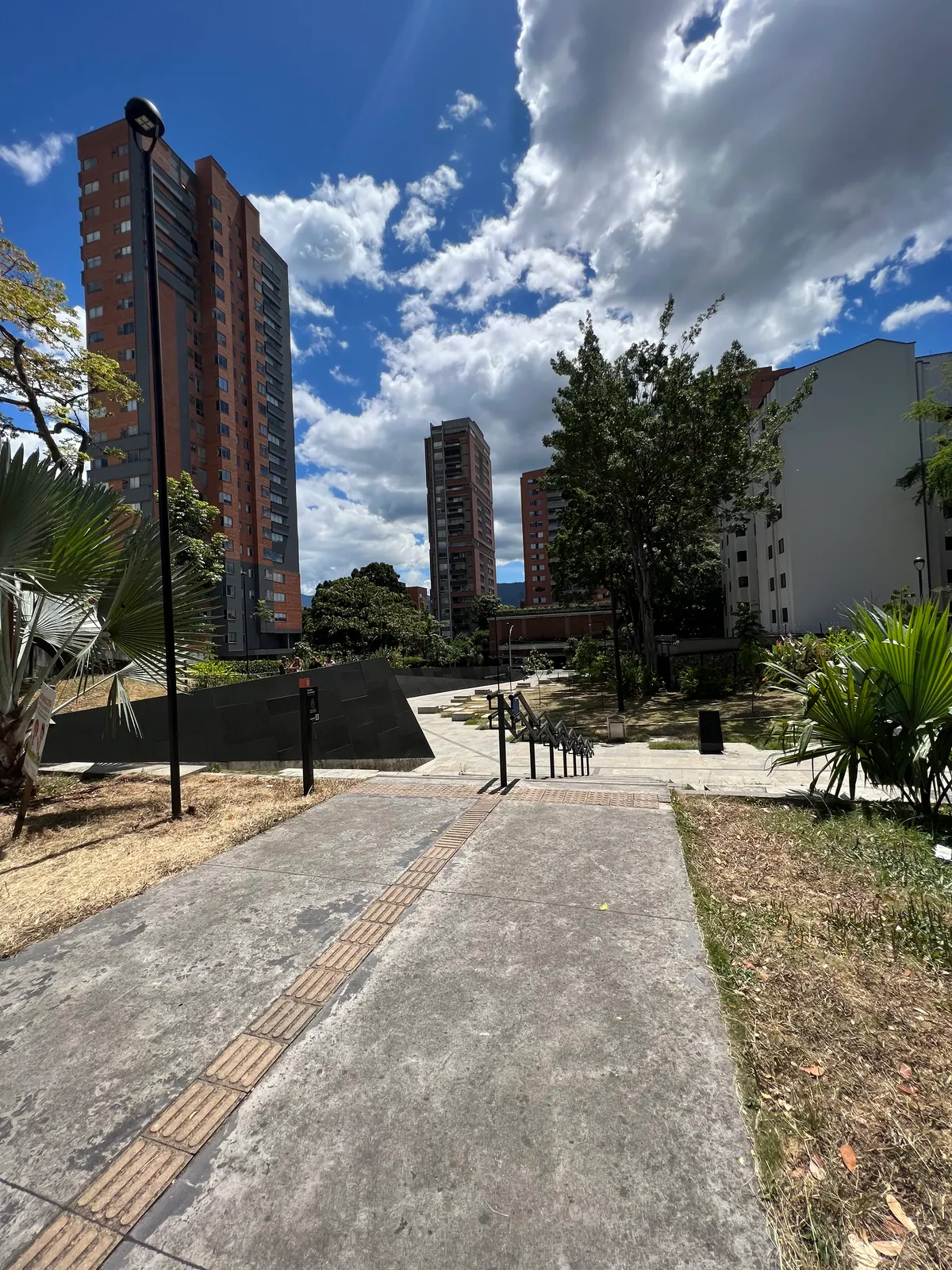
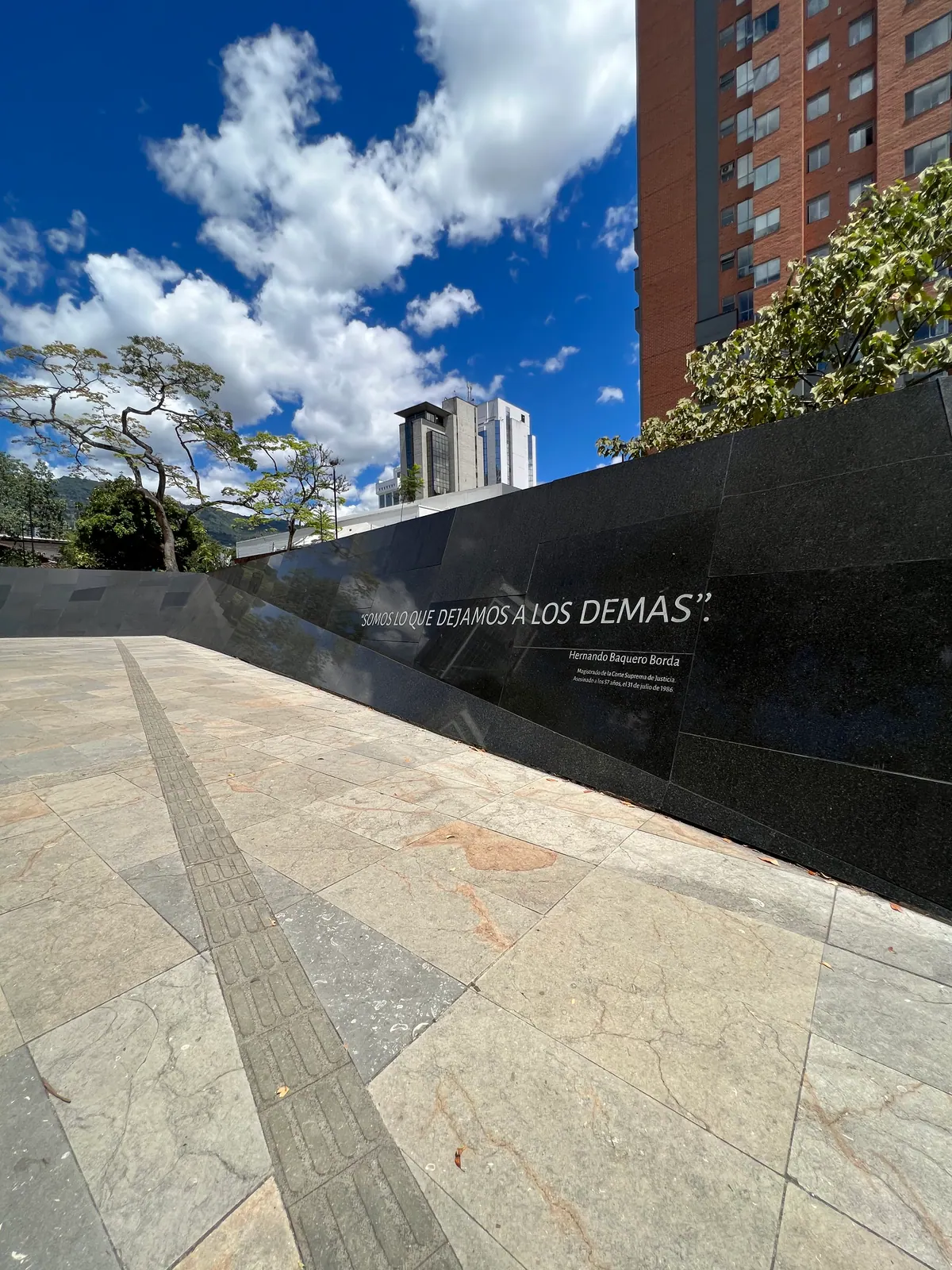
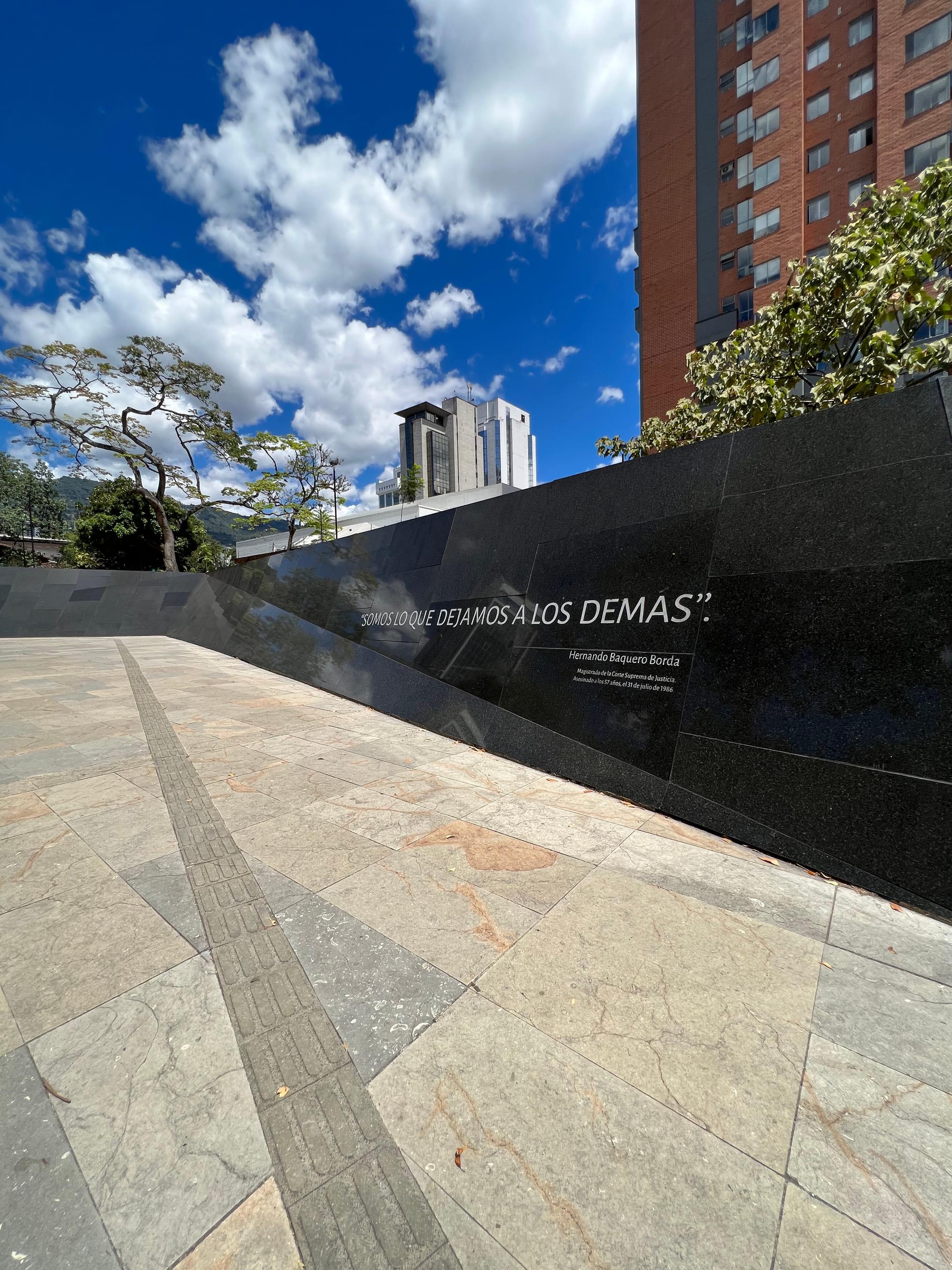
- In February 2019 the city demolished the Edificio Mónaco. The site became Parque Inflexión, a memorial space for victims of the violence, which opened in December 2019.
Is Pablo Escobar still popular in Colombia? The debate over “narco tourism”
Escobar's name sells T-shirts, tours and TV series, and many Colombians resent it. For families who lost people, he is not a character. Many residents also dislike that the world knows their city mainly through him. There is real tension between visitors' curiosity and the local memory of the violence.
If you want to learn about this history, choose places and guides that put victims and context first, not glamour. Avoid anything that sells “Pablo merch” as a joke or lets you pose with replica weapons. And remember that many Colombians prefer not to be asked about him in casual conversation.
Amazing tour with Felipe. He is extremely knowledgeable about the history of Medellín and he makes the tours fun with his humour. Transportation was very comfortable and he suggested some great places to eat while we were sightseeing.Where can you learn about this history in and around Medellín?
- Museo Casa de la Memoria: the best starting point. Calle 51 No. 36-66, free entry. Its published hours are Tuesday to Friday 9:00 to 18:00 and weekends and holidays 10:00 to 16:00, but check before you go.
- Parque Inflexión: the memorial park on the site of the former Edificio Mónaco, in El Poblado.
- Comuna 13: a neighbourhood that lived through the violence after Escobar's death, now told by its own residents and guides.
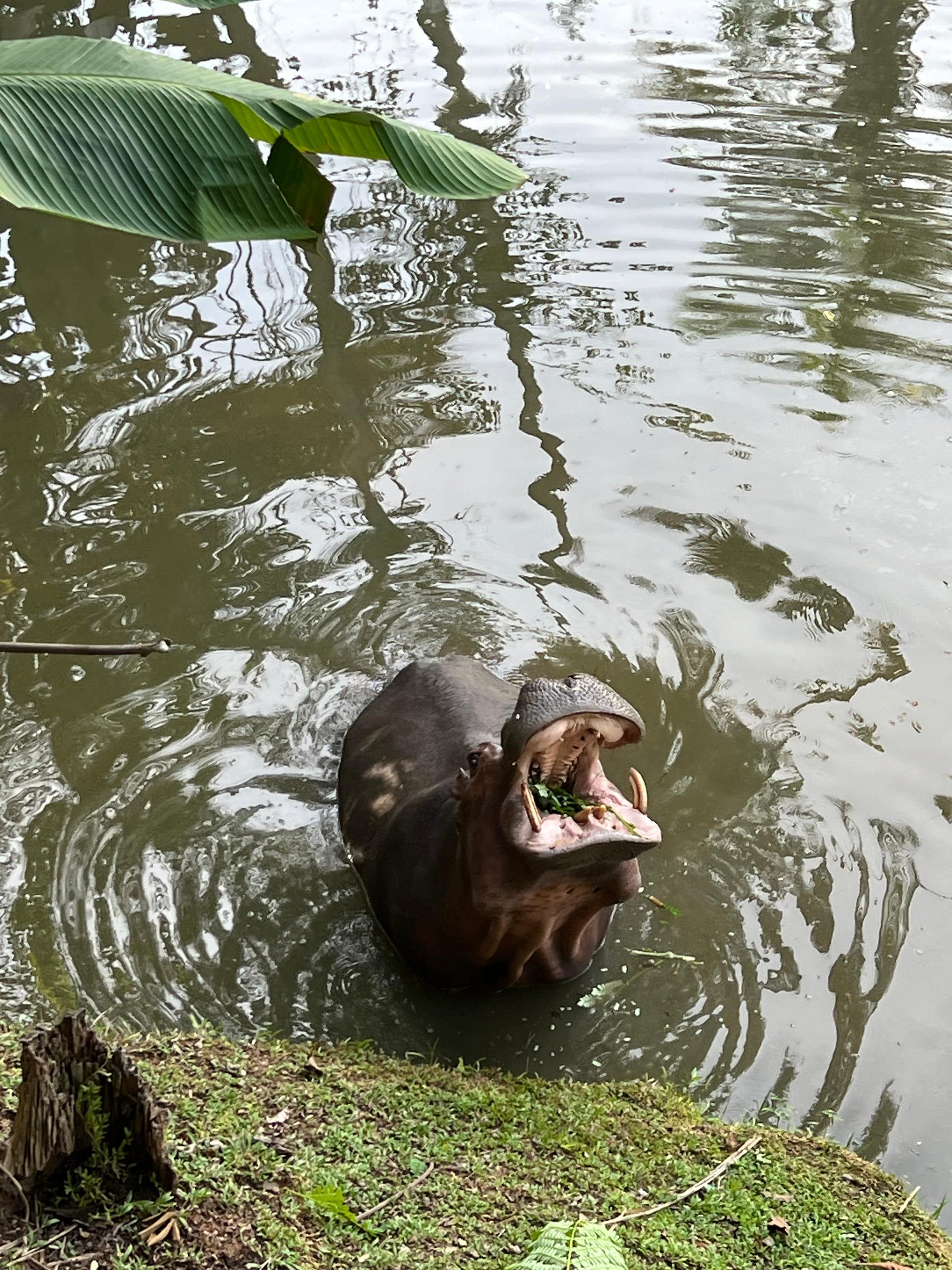
- Hacienda Nápoles: Escobar's former estate, east of Medellín, handed to low-income families under asset forfeiture law and later turned into a theme park.
Learning on the ground with a local guide
A guide who grew up in Medellín can add what a museum cannot: what daily life was like, how the city talks about this period today, and which places deserve your attention. PH Tours Medellín offers private tours led by Felipe (“Pipe”) and the team, in English or Spanish, with hotel pickup anywhere in the city. Guests describe Felipe as very knowledgeable about the history of Medellín.
See the Pablo Escobar tour and the Hacienda Nápoles tour below if you want to see these places with a guide, and read our Hacienda Nápoles guide to prepare.
Questions travellers ask
Who was Pablo Escobar?
Pablo Escobar was a Colombian drug trafficker, born on 1 December 1949 in Rionegro, Antioquia, who led the Medellín Cartel. He was behind assassinations and bombings that killed many people, and he was killed by police in Medellín on 2 December 1993.
How did Pablo Escobar die?
Colombian police found him in a house in the Los Olivos neighbourhood of Medellín on 2 December 1993. He was shot on a rooftop as he tried to escape, a day after his 44th birthday.
Where was Pablo Escobar from?
He was born in Rionegro, Antioquia, near Medellín, and grew up in the Medellín area.
Can you visit Pablo Escobar's house or mansion in Medellín?
The Edificio Mónaco, his family's building, was demolished in 2019 and replaced by the Parque Inflexión memorial. His former estate, Hacienda Nápoles, east of the city, is now a theme park. Check what is open before you go.
Is Medellín dangerous because of Pablo Escobar?
No. The cartel era ended decades ago and the city's murder rate has fallen sharply. Medellín still has ordinary crime that visitors should know about, such as phone theft and dating-app robberies. See our safety guide.