
Practical guide · updated 11/2026
Comuna 13 Medellín: How to Get There, What to See and How to Visit
Comuna 13 Medellín (San Javier) is free to visit. Take the Metro to San Javier station on Line B, then a taxi or the 221i or 225i bus to the outdoor escalators, about two blocks from the stop. The highlights are the escalators, the murals, the viewpoints of Las Independencias and the neighbourhood itself. A local guide explains the history behind each wall; on your own, go by day and stick to the busy route.
Comuna 13 at a glance
Medellín has 16 comunas, and Comuna 13 is San Javier, on the hillsides of the city's west. It is a residential neighbourhood of very steep streets where residents, artists, vendors and visitors share the space. In 2025 the escalators recorded 1,981,579 visitors, of whom 1,029,732 were foreigners and 951,847 were Colombians, according to the Medellín city government.
This guide is practical: how to get there, how much time to allow, what to see and what to look out for. What happened in 2002 is told separately, in more detail and with more care, in our guide to the history of Comuna 13. Here we focus on how to go and what to expect.
How to get to Comuna 13 by metro, bus or taxi
The simplest and cheapest way is the Metro. Take Line B to San Javier, the last station to the west. If you are coming on Line A, change at San Antonio and follow the signs to Line B.
From San Javier station to the escalators
- Bus: routes 221i and 225i leave from a stop to the right of the station exit and drop you about two blocks from the escalators. Tell the driver where you are going. According to travel guides, you pay with the same card as the Metro.
- Taxi or ride-hailing app: the fastest and most comfortable option. A recent travel guide mentions 10,000 to 12,000 pesos from the station; confirm the fare or use the app.
- From El Poblado, Laureles or downtown: a direct taxi works well, but plan how you will get back, because finding a car at the top can take a while.
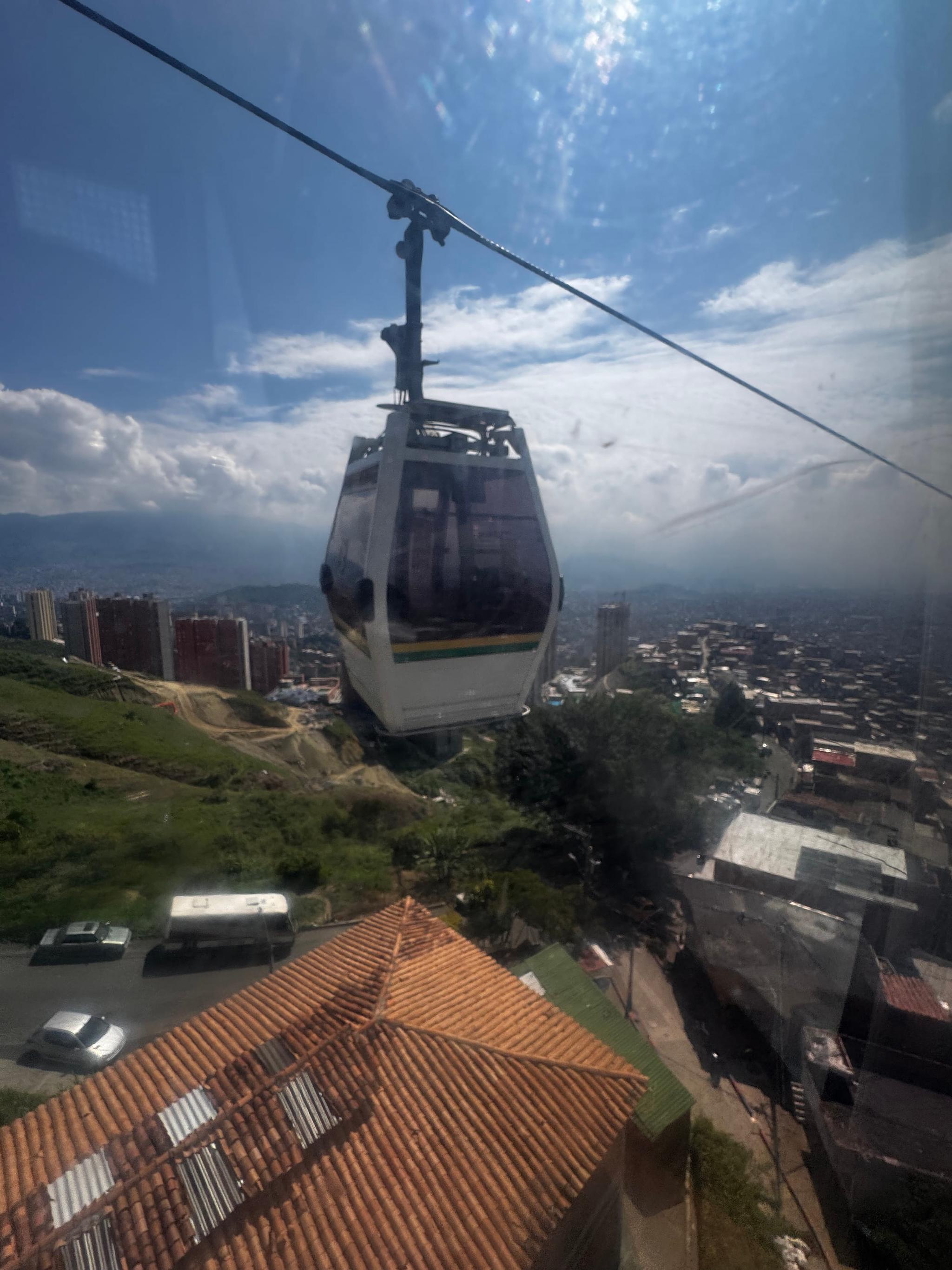
Metro and bus fares change by decision of the Área Metropolitana. Since 10 January 2026 a Metro trip costs 3,820 COP with a personalised Cívica card and 4,400 COP for a bearer or occasional card, according to the Área Metropolitana; check the current fare at the station before you buy. If you want a different view, the Metrocable (Line J) leaves from the same San Javier station and opened in March 2008; our Metrocable guide explains how to use it.
Comuna 13 escalators: hours, cost and what to expect
There are six sections of outdoor escalators, about 384 metres in total, opened in December 2011 in the Las Independencias neighbourhood. They replaced a climb equal to more than 350 steps and now serve both residents and visitors. Using them costs nothing.
We did not find an official published schedule. The newspaper El Colombiano reported in November 2025 daily use of about 16 hours, so the sensible approach is to go by day and check with the Medellín city government or on site that they are running. They are sometimes stopped for maintenance: the first full overhaul since 2011 was announced in 2026 and included replacing 350 concrete steps. They also run on solar-panel power.
- Each section is short: the whole climb takes a few minutes, but with stops for photos and viewpoints allow 45 minutes to an hour.
- They are a daily route for residents: do not block the way and let people in a hurry pass.
- Between sections there are streets with houses, shops and murals: the point is to stop and look.
- Wear comfortable shoes with good grip: there is a lot of slope outside the escalators.
Comuna 13 viewpoints
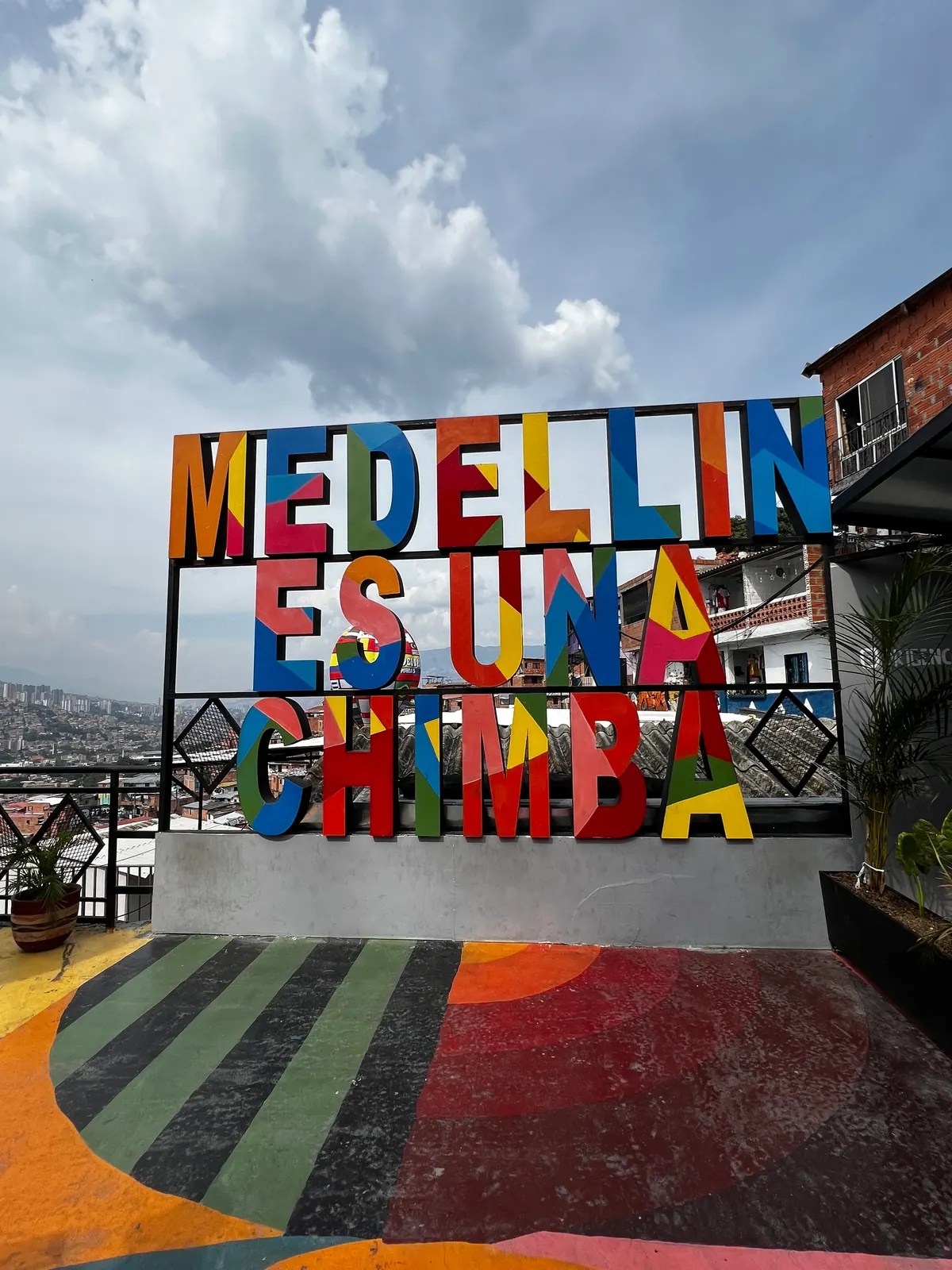
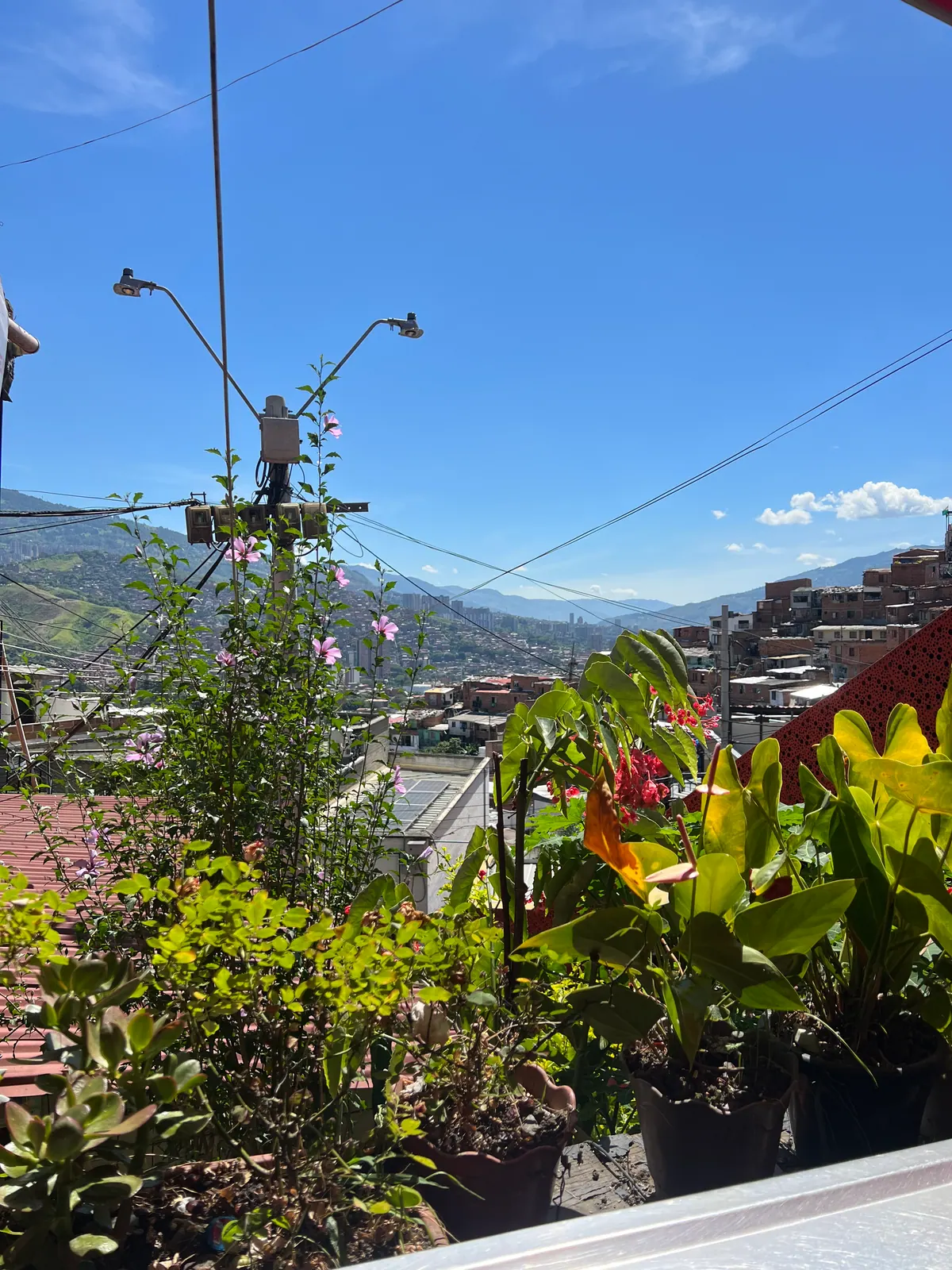
The best-known viewpoint is the one at Las Independencias, reached by the escalators: from there you see the coloured houses on the mountain and the valley. There are other vantage points higher up, some inside the terraces of bars and restaurants where you pay for what you order.
For sunset, go up with enough light and come down before dark. The view is much better under a clear sky, so check the weather before you climb.
Murals and street art: what you are looking at
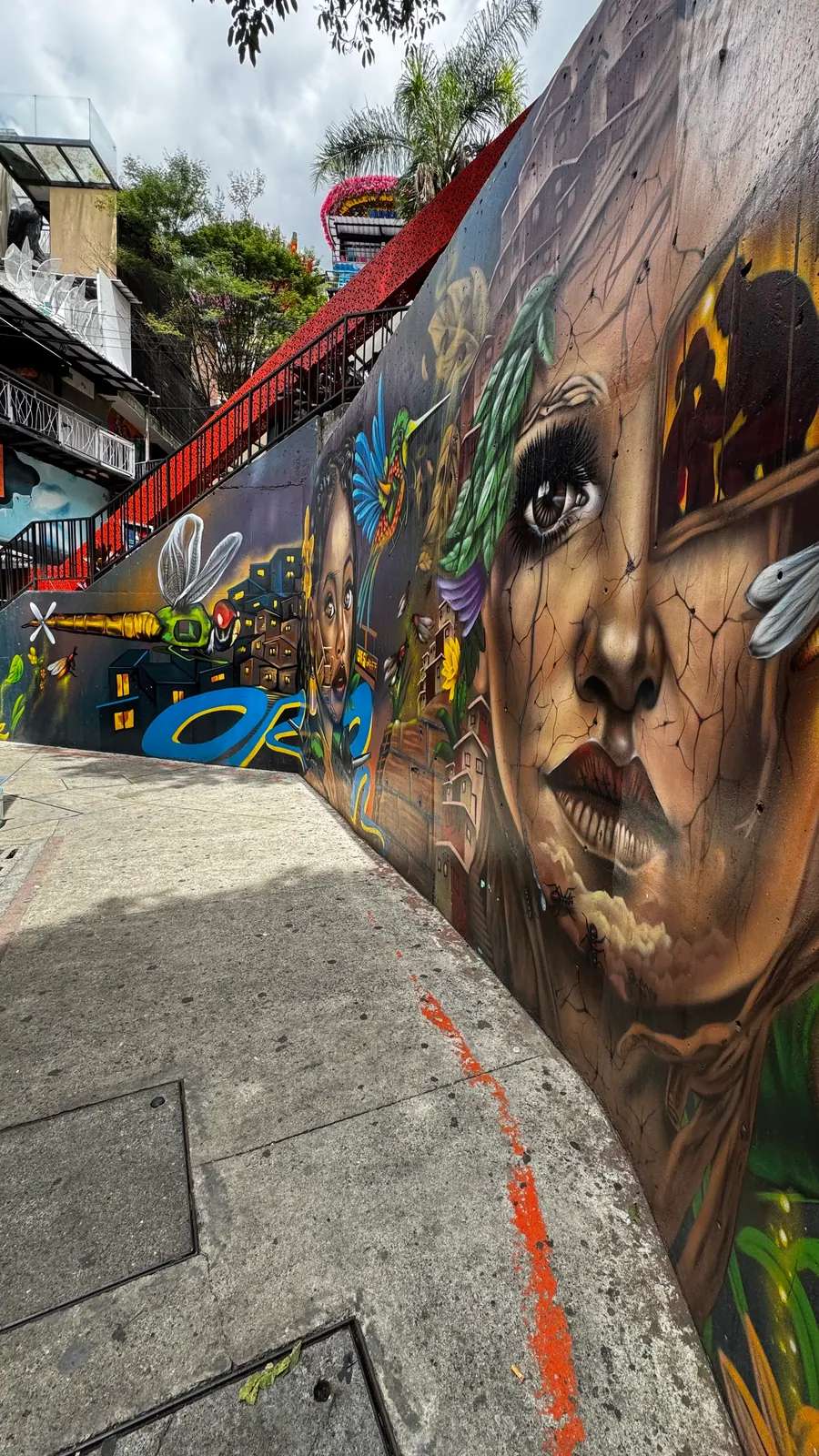
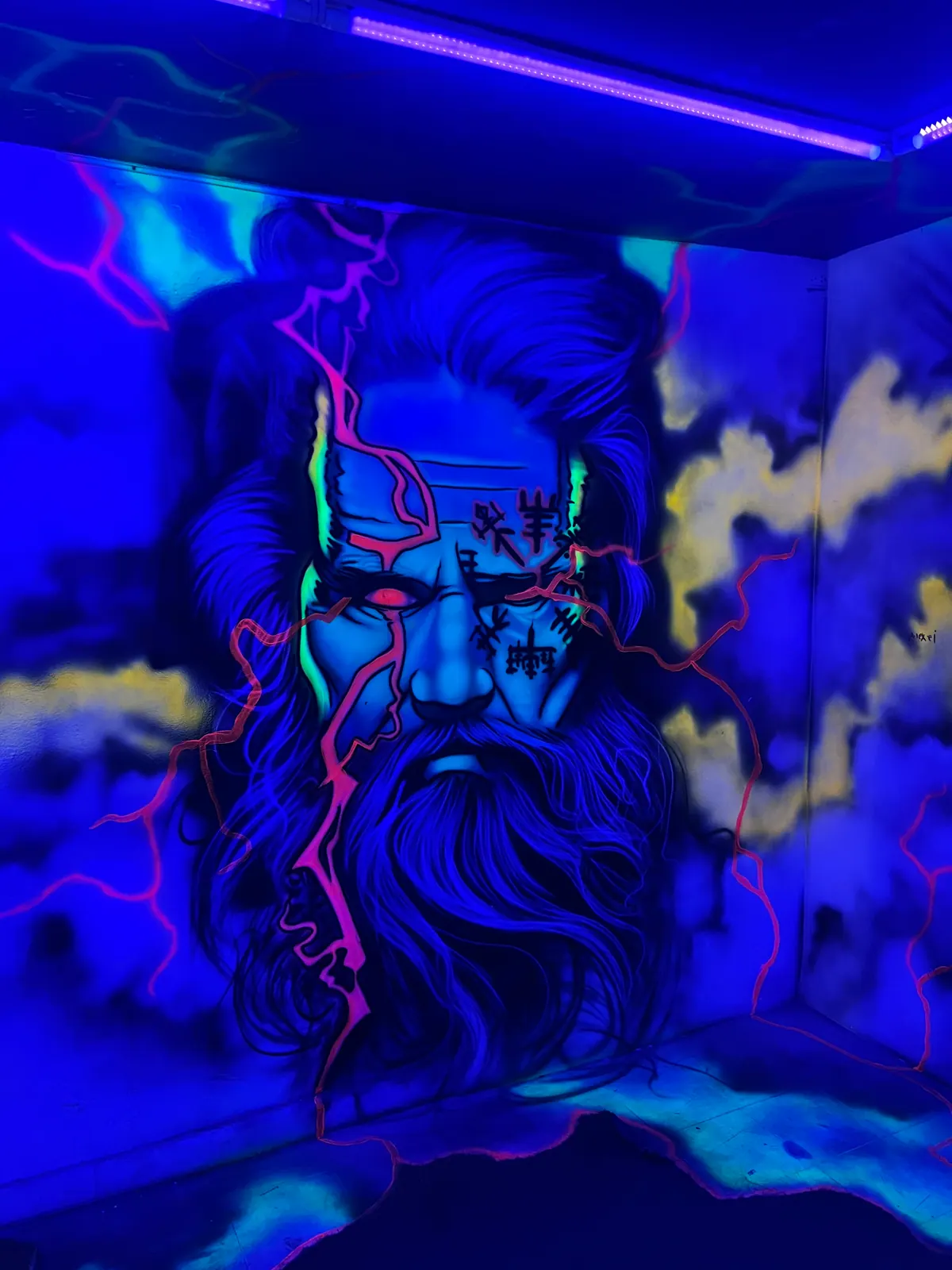
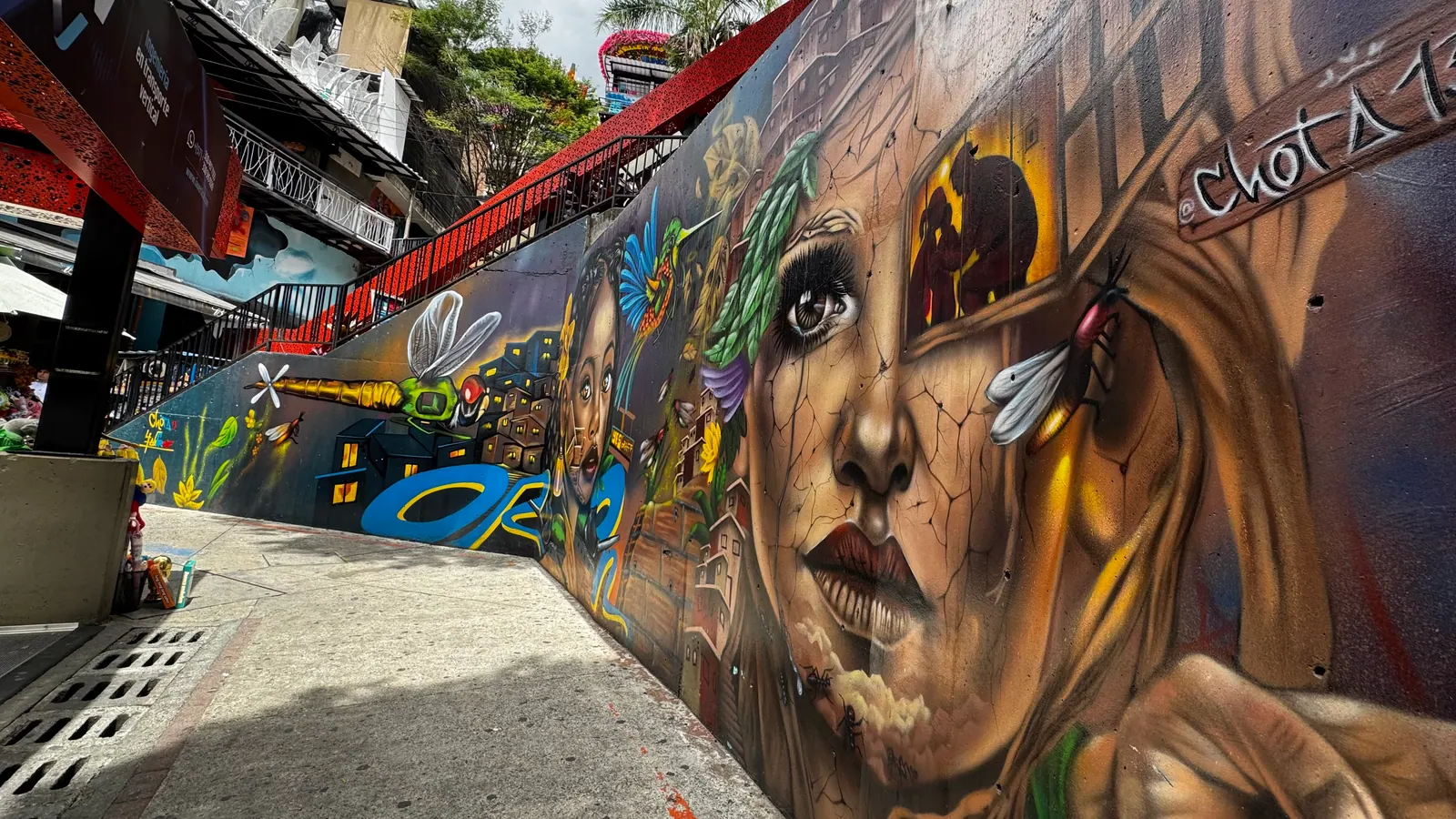
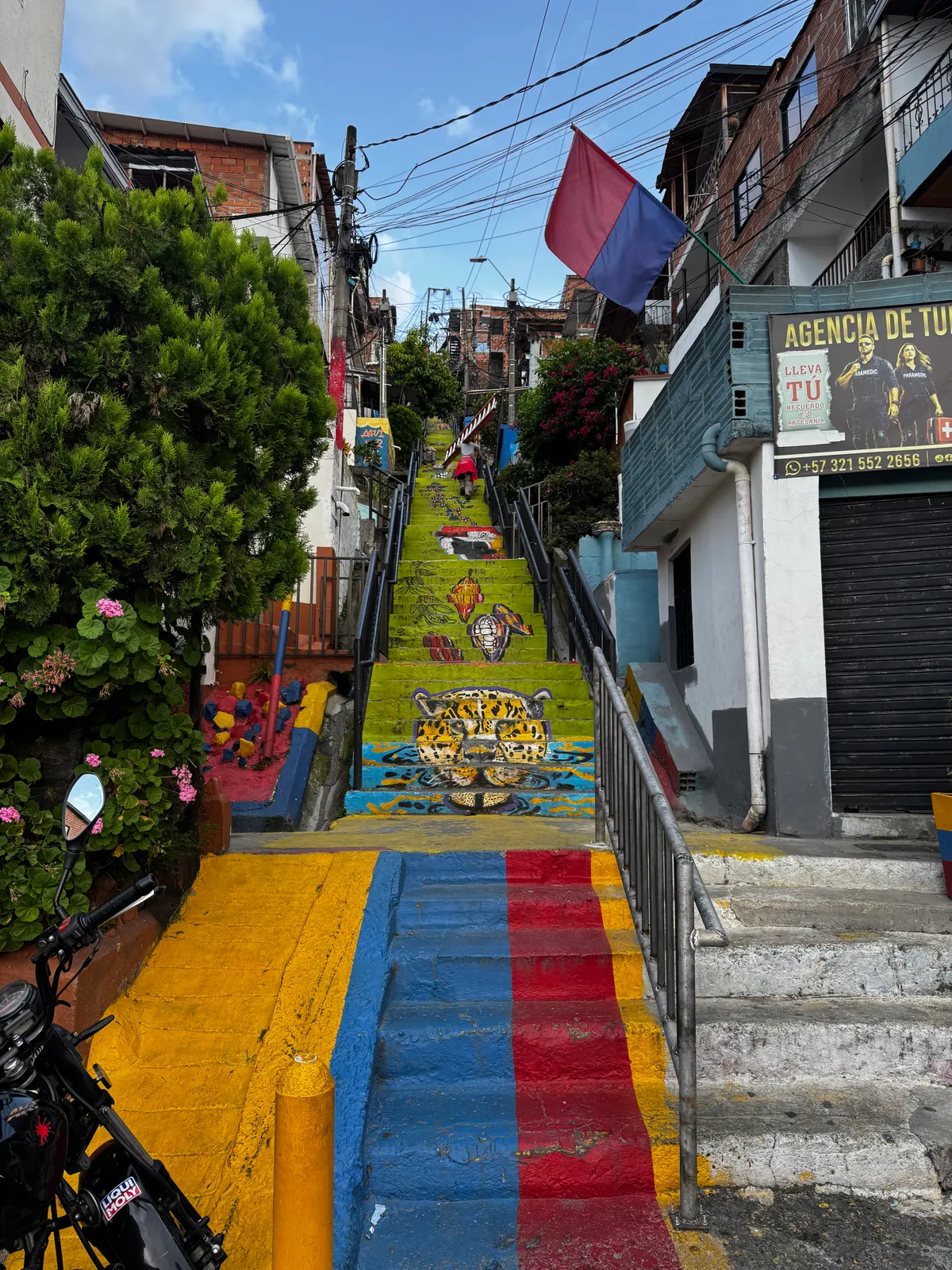
The walls of Comuna 13 are painted almost from top to bottom, mostly by artists from the neighbourhood. There are colours, portraits and messages about memory and community life. The murals change over time: they are painted, covered and redone, so no fixed list will last.
Without an explanation, a mural is a nice photo. With a local guide, or a graffiti tour run by people from the neighbourhood such as those organised by Casa Kolacho, you learn who painted it, what it symbolises and why it is where it is. According to Medellín Travel, the Graffitour starts near the escalators.
- Ask permission before photographing people and avoid photos of children.
- Do not stand in the middle of the street: residents use it.
- If an artist asks for a tip for a photo or a graffiti demonstration, it is your decision; leave what you think is fair.
Things to do and where to eat in Comuna 13
A typical visit combines the escalators, murals, viewpoints, some street music or dance and a stop to eat or drink. Allow two to three hours without rushing.
- Walk the escalator area and the streets with murals, up and back.
- Watch a dance, music or hip hop show if there is one, and leave a tip.
- Try cold drinks, ice cream, fruit and snacks at neighbourhood stalls, and lunch or a beer on the terraces with a view.
- Buy art, T-shirts or crafts directly from the people who make them.
We do not recommend a specific restaurant, because the options change every few months; check recent reviews on Google Maps the same day. It is better to spend at neighbourhood businesses and confirm prices before ordering.
Is Comuna 13 safe to visit?
In busy areas and by day, visitors walk around calmly: Medellín Travel describes the neighbourhood as safe and welcoming for those who visit respectfully. Still, it is a very busy area and normal city precautions apply.
- Go by day and leave before dark. Do not go up to the high streets at night.
- Stay on the escalator and mural route; the streets further away are residential.
- Watch your phone and camera in crowded spots.
- Do not buy or accept offers of drugs, and do not follow anyone offering a private route.
- Use sunscreen, bring water and comfortable shoes: it is hot and very steep.
For a wider view of the city, read our guide to staying safe when travelling in Medellín.
When to go: best day and time
The most comfortable time is a weekday, in the morning or early afternoon: fewer people on the escalators and less heat. Weekends and holidays tend to fill up, and midday sun is strong on streets with little shade.
If you want sunset from a viewpoint, plan to come down while there is still light. In the rainy season steps and streets get slippery, so wear shoes with grip and check the forecast. We found no official hourly crowd figures, so the practical rule is to arrive early.
What to bring, and visiting with kids or limited mobility
- Comfortable shoes with grip, a hat, sunscreen and water.
- Cash in small notes for snacks, tips and buying from artists.
- A light jacket or rain layer: the weather changes quickly on the hillside.
- A power bank for your phone if you will take lots of photos.
Children who can walk uphill do well if you go slowly and take breaks. With a stroller or limited mobility, the escalators help on the steepest climb, but the streets are steep and some stretches have steps; check before you go and do not expect a flat route.
What else is near the escalators
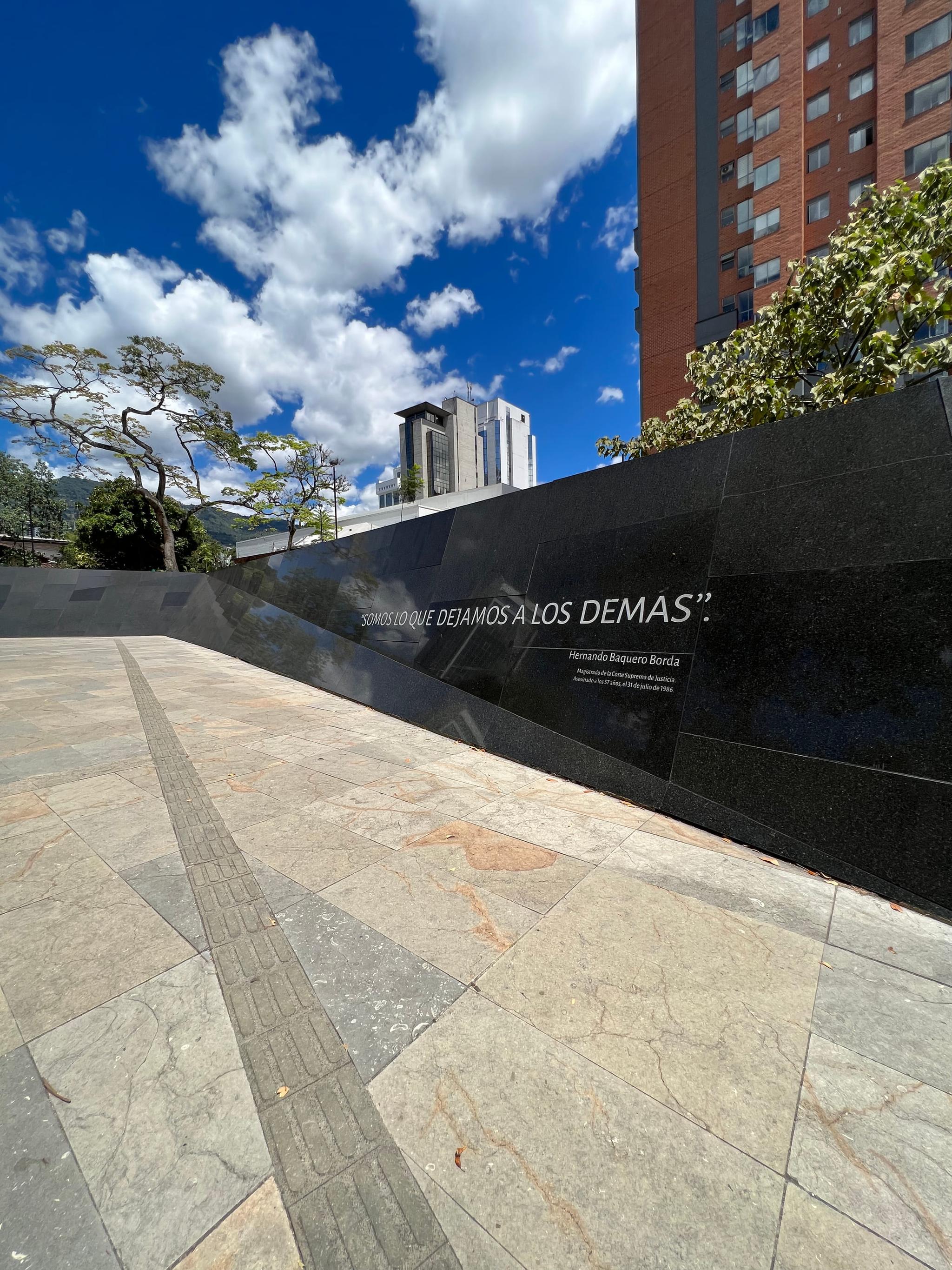
San Javier station is also where the Line J Metrocable starts, climbing the hillside with views of the barrio. There are cultural houses and local artists' galleries along the way; Casa Kolacho, for example, is a neighbourhood collective that runs graffiti tours. Hours and offerings change, so confirm on the day.
For what happened in Comuna 13, including Operations Mariscal and Orion in 2002, read our history guide. If you want a local guide, see the private Comuna 13 tour.
With a guide or without: which is better
You can go on your own: it is free and the streets are public. It is a good idea if you are short on time, only want the photos and already know the history. A local guide adds what a wall cannot tell you: the sequence of events in 2002, what the murals mean, what the neighbourhood was like before the escalators, where to take photos respectfully and when to avoid the crowds.
PH Tours Medellín runs private tours to Comuna 13 with Felipe (“Pipe”), Andrés and Laura, in English or Spanish. We pick you up at your hotel in Medellín, you go only with your group and you set the pace. Our rating is 5.0 on Google and on Tripadvisor. If you want to combine it with more places, the city tour and the private guide cover the rest of the city.
Comuna 13 frequently asked questions
How do I get to Comuna 13 by metro?
Take Line B to San Javier station (if you are on Line A, change at San Antonio). From there take a taxi or the 221i or 225i buses, which drop you about two blocks from the outdoor escalators. Check the current fare at the station.
How much does it cost to enter Comuna 13?
Entering the neighbourhood and using the escalators is free. You only pay for transport, what you buy and, if you want one, a graffiti tour or a guide.
What are the opening hours of the Comuna 13 escalators?
We did not find an official published schedule. They run by day for many hours and are sometimes stopped for maintenance. Check with the Medellín city government before you go and do not go up at night.
Is Comuna 13 safe?
In busy areas and by day, visitors usually walk around calmly. Watch your phone, do not go up at night, stay on the escalator route and do not accept offers from strangers.
How long do you need to visit Comuna 13?
Two to three hours is enough for the escalators, the murals, a viewpoint and a stop to eat or drink. With a guide or graffiti tour, count on about three.
Is Comuna 13 worth visiting?
Yes, if you like the outdoor escalators, the murals, the viewpoints and the feel of the neighbourhood. Two to three hours is enough to see it well.
What is there to do in Comuna 13?
Ride the outdoor escalators, see the murals, look out from the viewpoints, watch some street entertainment and eat or drink in the neighbourhood. Take your time and buy from local businesses.
What is the best time to visit Comuna 13?
On a weekday, in the morning or early afternoon: fewer people and less heat. Avoid going up at night, and if you go at sunset, come down while there is light.
Can you visit Comuna 13 with kids?
Yes, if they can walk uphill at an easy pace. The escalators help on the steepest climb, but there are stretches with steps. Bring water, a hat and comfortable shoes.
Are the Comuna 13 escalators accessible for wheelchairs or strollers?
The escalators are not a ramp and the barrio is steep with sections of steps, so it is not a flat visit. Check before you go with the Alcaldía de Medellín or a guide if you have limited mobility.
Why is Comuna 13 famous?
For its violent past, especially the military operations of 2002, and for its later transformation through public transport, escalators, murals and music. The history is in our separate guide.
Go with someone who knows the place, unhurried
Private tour with hotel pickup, in English or Spanish. Rated 5.0 on Google and 5.0 on Tripadvisor.
Message us on WhatsApp +57 305 788 2726