
Guide · Eastern Antioquia
El Carmen de Viboral: Guide to Colombia's Hand-Painted Ceramics Town
El Carmen de Viboral is a town in eastern Antioquia, about 54 km from Medellín, famous for tableware painted by hand with flowers. El Carmen de Viboral ceramics are the reason to come: you can see the main square, a church covered in ceramic mosaics, workshops and pottery shops, and eat something typical, all in half a day or a full day. By car it takes 1.5 to 2 hours via Rionegro, or you can take a bus from Medellín; a private guide makes the trip simpler and lets you combine it with La Ceja or Salto del Buey.
Message us on WhatsAppWe plan the day with pickup at your hotel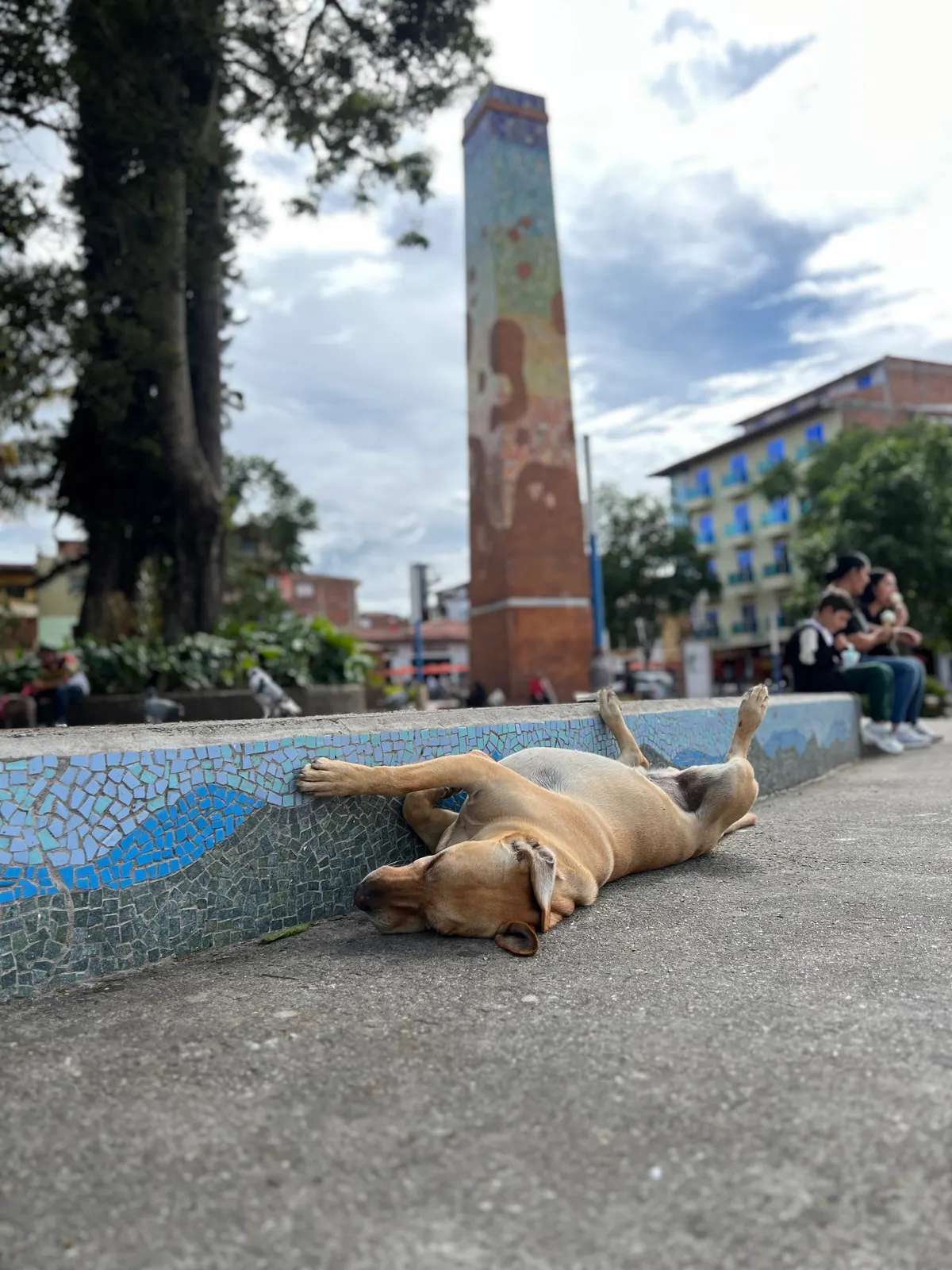
- Where
- Eastern Antioquia, San Nicolás Valley
- From Medellín
- About 54 km; 1.5 to 2 hours depending on traffic
- Founded
- 13 April 1752
- Population
- About 49,600 (2022 DANE projection cited by Wikipedia)
- Average altitude
- 2,150 m above sea level
- Famous for
- Hand-painted under-glaze ceramics
- Workshops
- Around 20 registered with the Chamber of Commerce
- Ideal time
- Half a day or a full day
- Key festival
- Fiestas de la Loza (check dates)
- Heritage
- Ceramics on the Intangible Cultural Heritage list (2023)
What El Carmen de Viboral is and why visit
El Carmen de Viboral is an Andean town in eastern Antioquia, in the San Nicolás Valley, at an average altitude of 2,150 metres. It has a cool climate, quiet streets and a very clear identity: this is where one of Colombia's most recognisable tablewares is made, painted by hand with bouquets of flowers on a white background.
It is not a destination of big monuments or crowds, and that is its charm. You come to walk the main square, watch a piece being painted, buy a dinner set or a gift, and have a slow lunch. That is why it works well as half a day from Medellín or as a stop on a tour of the Oriente region.
The municipality ranges from roughly 800 to 3,000 metres in altitude, across three climate zones. The town centre is the cool, green one; around it are farms growing flowers, potatoes, corn and avocado.
Town facts: name, founding and population
El Carmen de Viboral was founded on 13 April 1752 as a country-estate hacienda with a chapel called El Carmen. It became a parish in 1807 and counts its own administration from 1814, according to Wikipedia. The name has two versions for El Carmen (devotion to the Virgin, or the gardens, or cármenes, of Granada in Spain) and one for Viboral: the snakes that were common on the bank of the Cimarronas river. Both El Carmen de Viboral and Carmen de Viboral are used.
Wikipedia cites about 49,600 inhabitants in 2022 (a DANE projection) and gives the town two nicknames: Cradle of artisan ceramics (Cuna de la cerámica artesanal) and Blue pearl of the Antioquian East (Perla azulina del Oriente Antioqueño). The economy mixes farming (flowers are the most representative farm product and the main source of jobs), commerce and ceramics.
To orient yourself: the town is linear and grew where the roads from La Ceja to El Santuario and from La Unión to Rionegro cross, beside the Cimarronas river. Carreras 30 and 31 frame the main square.
The history of El Carmen de Viboral ceramics
The tradition starts in 1898, when businessman Eliseo Pareja founded the Locería del Carmen, the town's first pottery company. He chose the place for its water, which he used to generate electricity, and for the local clay.
Other potteries followed, and between the 1930s and 1950s local production dominated a large part of the Colombian market. In 1945 the Escuela Nacional de Cerámica was created; today's Instituto Técnico Industrial grew out of it and still teaches ceramics.
The earliest tableware was plain white. Over time coloured rims and backgrounds were added, and around 1970 the craftsman Rafael Ángel Betancur pushed for decorating the pieces by hand to give them more value. In the 1980s economic opening and imports hit the industry hard, and it has been recovering since, with small workshops and associations such as Aproloza, founded in 2013.
In 2020 the National Council of Cultural Heritage approved the nomination of "hand-painted under-glaze ceramics" for the Representative List of Intangible Cultural Heritage, and the listing was made official in December 2023 at the Teatro Colón in Bogotá, according to El Colombiano.
From clay to plate: how painted pottery is made
Seeing the process is the best reason to step into a workshop. Steps vary a little between workshops but, according to an account of a family workshop published by El Colombiano, this is the route:
- Clay: bought in the area (for example from La Unión or La Ceja) and processed into the pottery paste.
- Moulding: pieces are formed in plaster moulds.
- Washing and polishing: pieces are cleaned before firing.
- First firing: in artisan kilns, up to about 1,180 degrees, for 8 to 12 hours.
- Decoration and glaze: the flowers are painted by hand and the glaze is applied.
- Second firing: fixes the colour and leaves the piece glossy.
That same workshop reckons about 12 days per piece. That is why a Carmen dinner set does not cost the same as an industrial one: every flower was painted by a person, and the brushwork shows.
Local tip Ask the workshop whether you can see the painting area. Not every workshop offers a guided visit; check before you go and, if you travel with children, let them know so you can look around calmly.
Main square, church and ceramics in the street
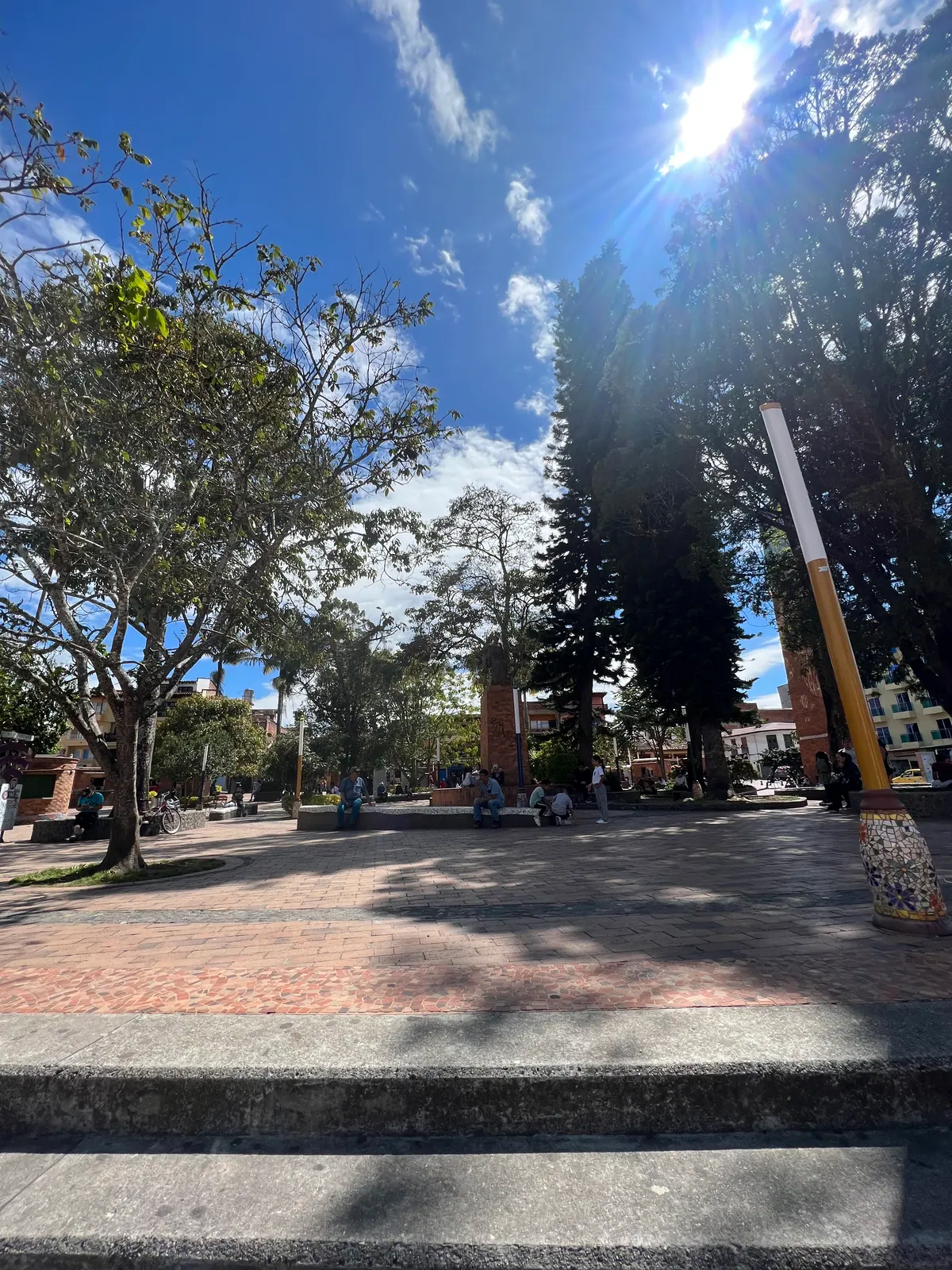
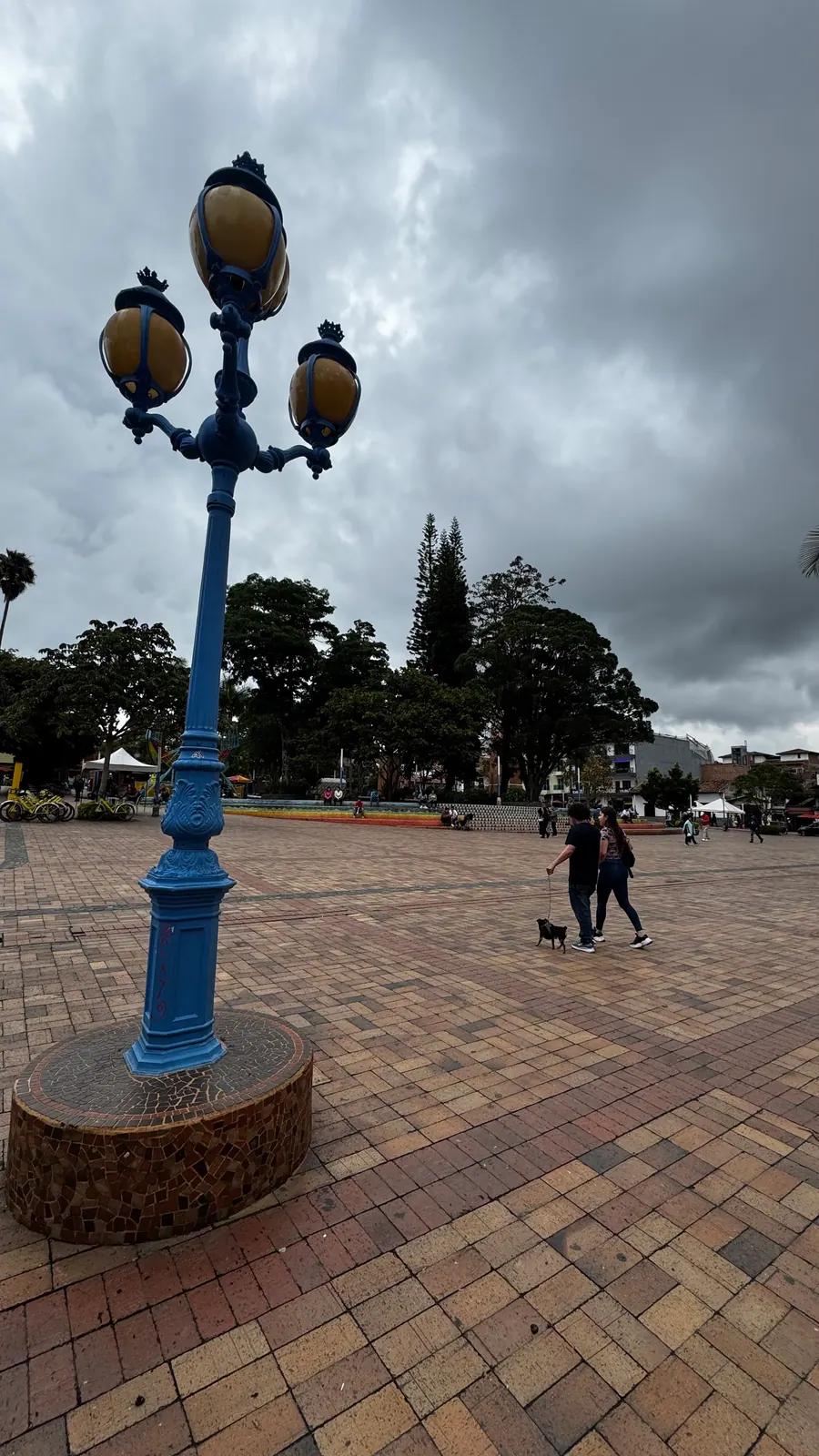
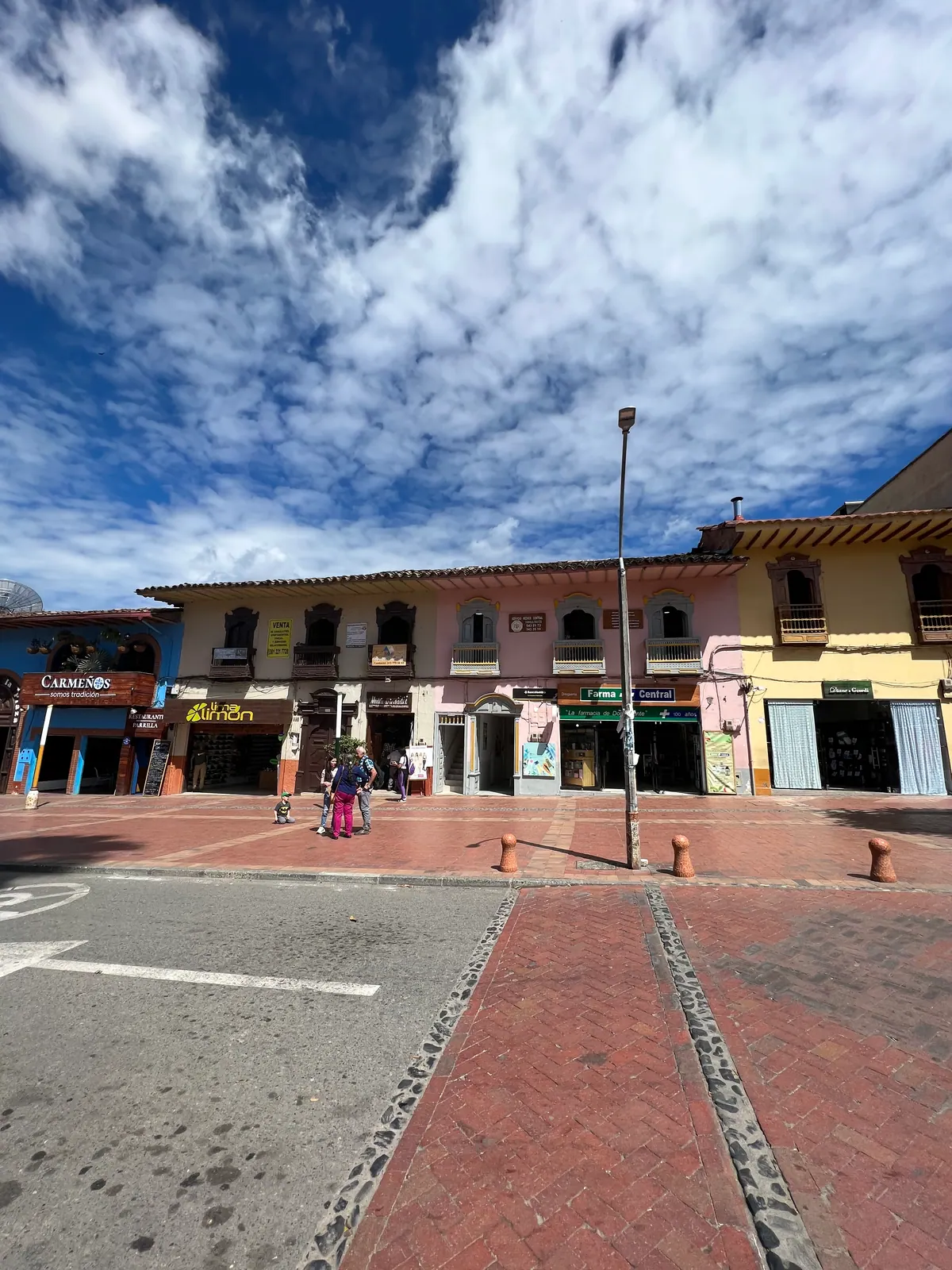
The main square is the starting point. The plaza sits between carreras 30 and 31, surrounded by shops, cafés and benches, and almost any walk on foot begins here.
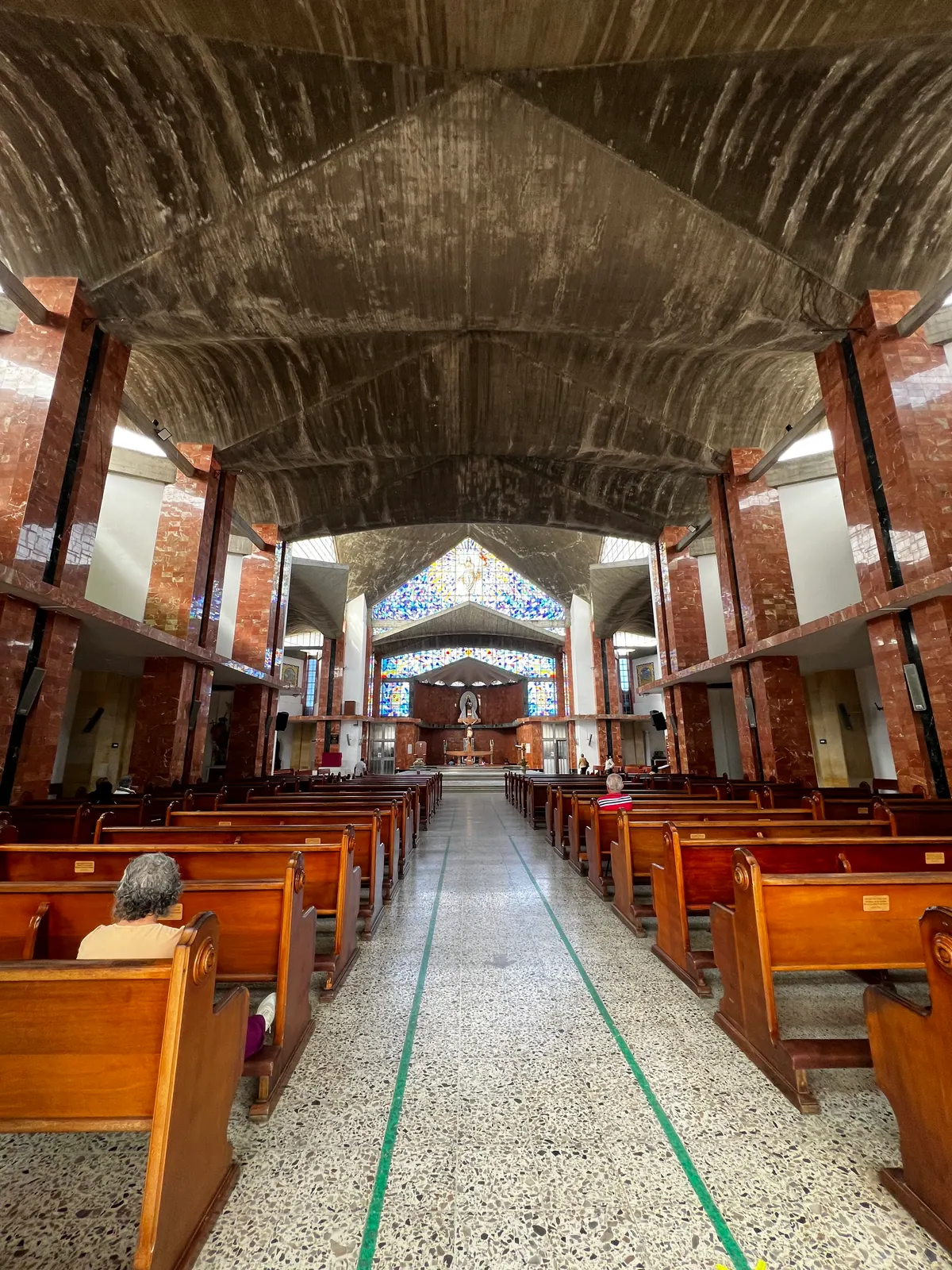
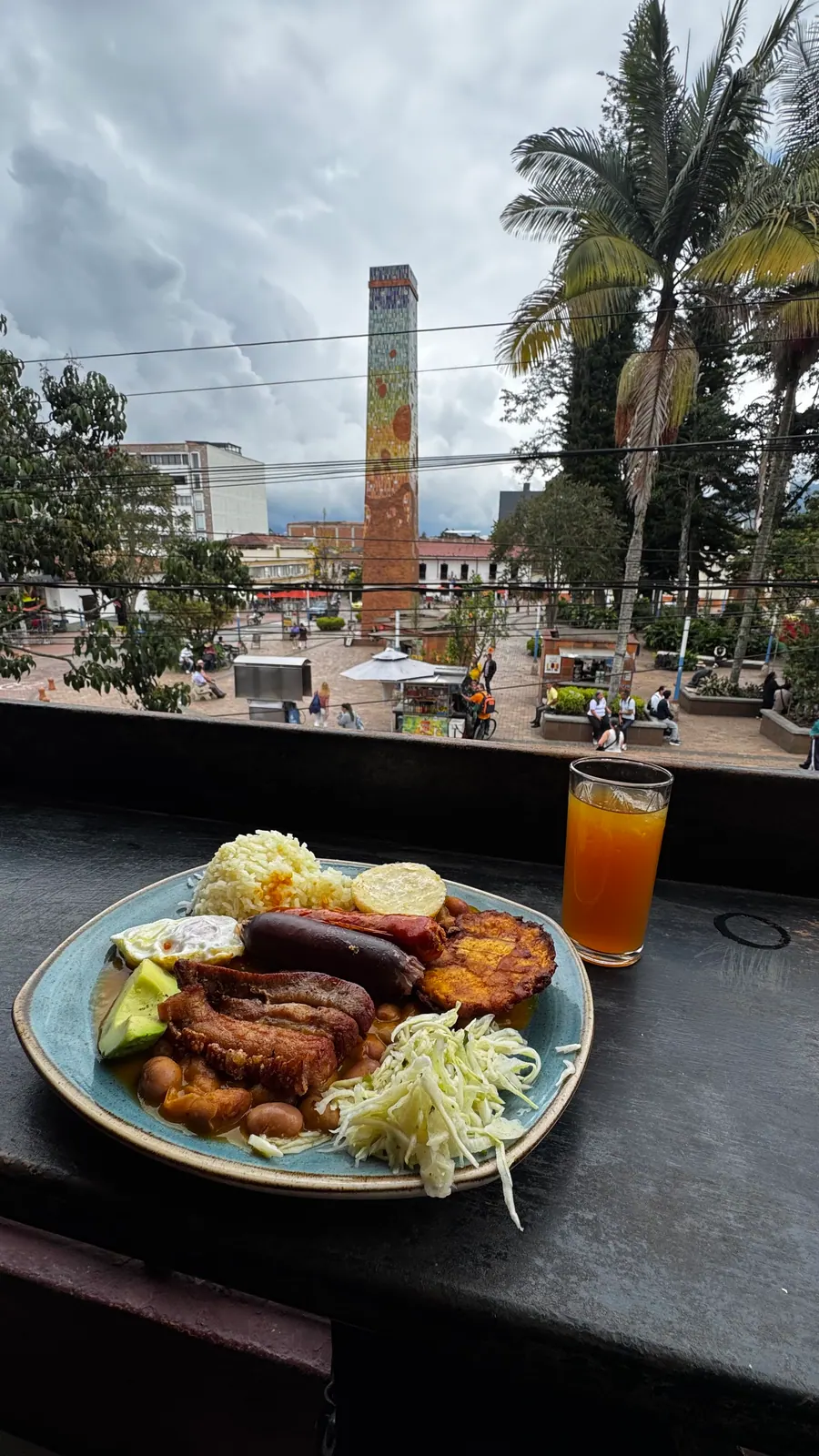
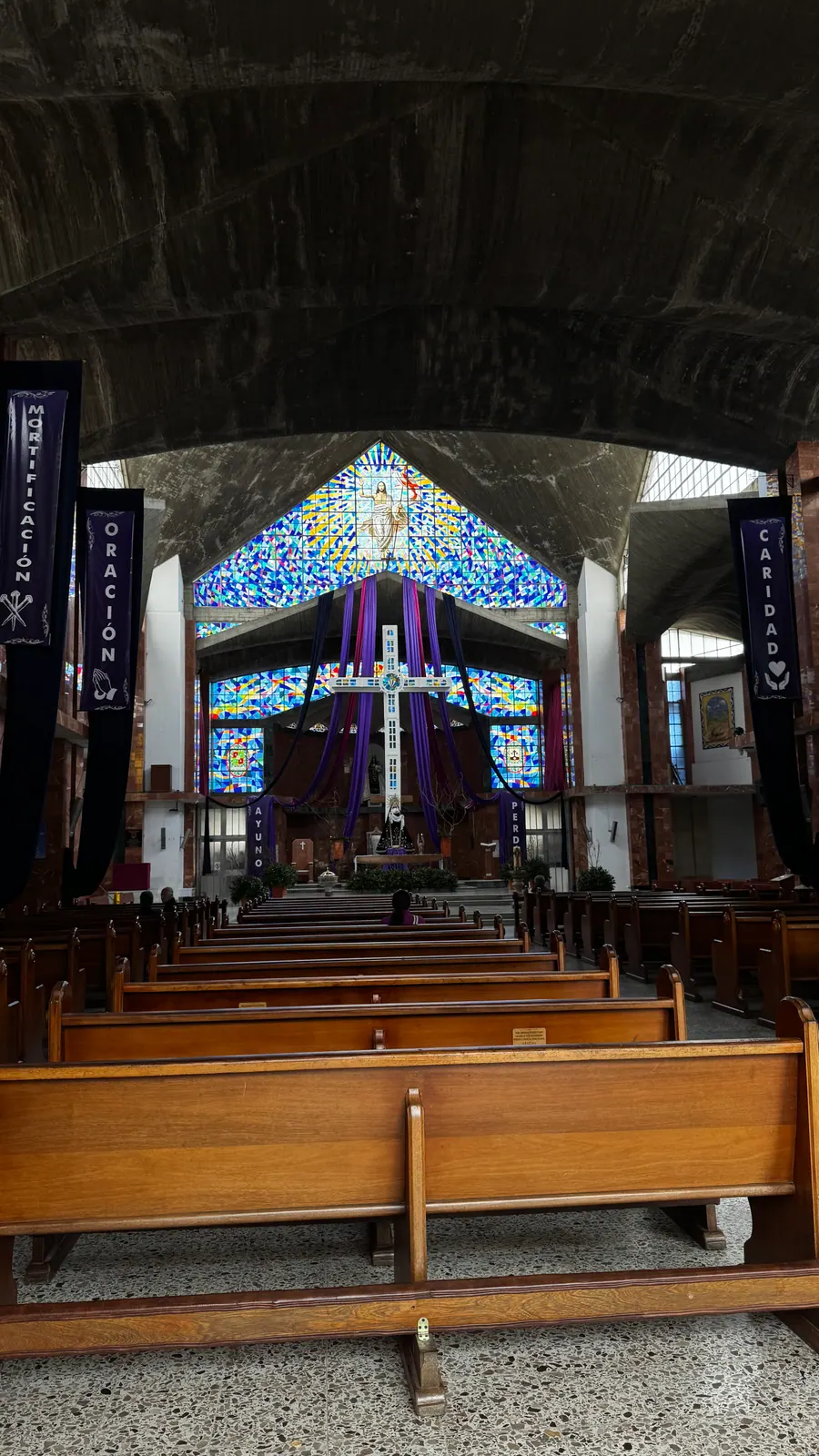
Facing the square is the church of Nuestra Señora del Carmen, whose construction began in 1964. It has an earthquake-resistant design, stained glass, ceramic mosaics and a 33-metre tower. A few minutes inside are worth it just for the light through the glass and the ceramic work.
Ceramics also spill out into the street. In town you will see murals, benches and façades decorated with pieces, and an older El Colombiano note mentions ceramic decoration of two blocks of Calle del Comercio. We found no recent confirmation of how it looks today, so treat the "ceramics street" as a walk through the centre rather than a single place with a sign.
Things to do in El Carmen de Viboral
- Visit pottery workshops and factories: see how pieces are decorated and buy directly from the people who paint them.
- Walk the centre: main square, church and streets with ceramics on the façades.
- Casa de la Cultura Sixto Arango Gallo and the ceramics space in the old kilns of the Júpiter factory, according to the municipality's Wikipedia entry; confirm opening hours before you go.
- El Pórtico Linear Park and La Alhambra Park, for a while outdoors.
- El Picacho waterfall, about 13 metres high, if you like nature.
- Recinto Quirama, a natural and cultural space in the municipality (check hours and entry).
- Lunch on Antioquian food in the centre, with a bandeja paisa or a sancocho.
For a fuller day, the Oriente has neighbouring towns and landscapes: La Ceja, Rionegro, El Retiro, Marinilla and El Santuario are all close. If you want nature, Salto del Buey, near La Ceja, pairs well with a morning in El Carmen.
Where to buy ceramics and what to check before paying
Buy from the town's workshops and pottery shops. You will find everything from single plates and coffee cups to full dinner sets, jugs, trays and amphorae. The designs have names: Azul Tradicional, Viboral, Carmelina, Hortensia Azul, Flora, Florelba, Girasol, Margarita, Primavera and many more.
- Look at the back: a hand-painted piece has small variations in brushwork, never two identical flowers.
- Ask whether the decoration is manual and whether the workshop has the appellation-of-origin seal.
- Check that the glaze is even and free of bubbles, and ask for the pieces to be packed well for the trip.
- We do not list prices here: they change by line and workshop; compare two or three shops.
Local tip If you are flying, carry the pieces in your hand luggage with thick wrapping, or ask the workshop about packing and shipping.
How to get from Medellín to El Carmen de Viboral
El Carmen de Viboral is about 54 km from Medellín (other sources say 56). Rionegro is 10 km away and José María Córdova airport about 25 km, which makes it an easy stop if you are arriving or leaving through the airport.
By car or with a driver
You leave Medellín towards Rionegro and continue from there to El Carmen. Wikipedia describes several routes: along the Medellín–Bogotá highway (via Belén and Rionegro), via Santa Elena and José María Córdova airport, or via Las Palmas towards Rionegro; you can also arrive from La Ceja, El Santuario or La Unión. Allow 1.5 to 2 hours depending on traffic, and more on long weekends and weekends. With a private driver you do not have to worry about parking or traffic.
By bus
There are buses from Medellín towards the Oriente; the Antioquia de Aventura town profile lists the company Flota El Carmen departing from the Terminal del Norte. Companies, schedules and fares change, so check before you go and ask at the terminal about a direct service or a change in Rionegro.
With PH Tours
If you would rather not organise it yourself, message us on WhatsApp: we build the day with pickup at your Medellín hotel and an English or Spanish-speaking guide, and combine it with other Oriente towns depending on your time.
A half-day walking route
If you only have a few hours, this order works well because everything is in the centre and done on foot. It is not an official route: it is how we usually plan the visit.
- Arrive early and start at the main square: walk around the plaza and look at the church tower covered in ceramics.
- Step into the church of Nuestra Señora del Carmen for a few minutes, without disturbing a Mass if one is on.
- Walk the streets of the centre looking at façades, murals and benches with ceramic pieces.
- Visit one or two workshops or pottery shops; ask how a piece is decorated and which design is which.
- Have lunch in the centre and leave time to go back to the shop you liked most.
- If you have time left, continue to Rionegro or La Ceja, or return to Medellín before the afternoon traffic.
With children the pace changes: they usually like the workshops and the square, but it is better not to overfill the day. One workshop, a loop of the plaza and a good lunch already make a complete visit.
Combining El Carmen with La Ceja and Salto del Buey
El Carmen de Viboral belongs to a group of Oriente towns close to one another: Rionegro, La Ceja, El Retiro, Marinilla and El Santuario. That lets you build a more varied day without spending hours on the road.
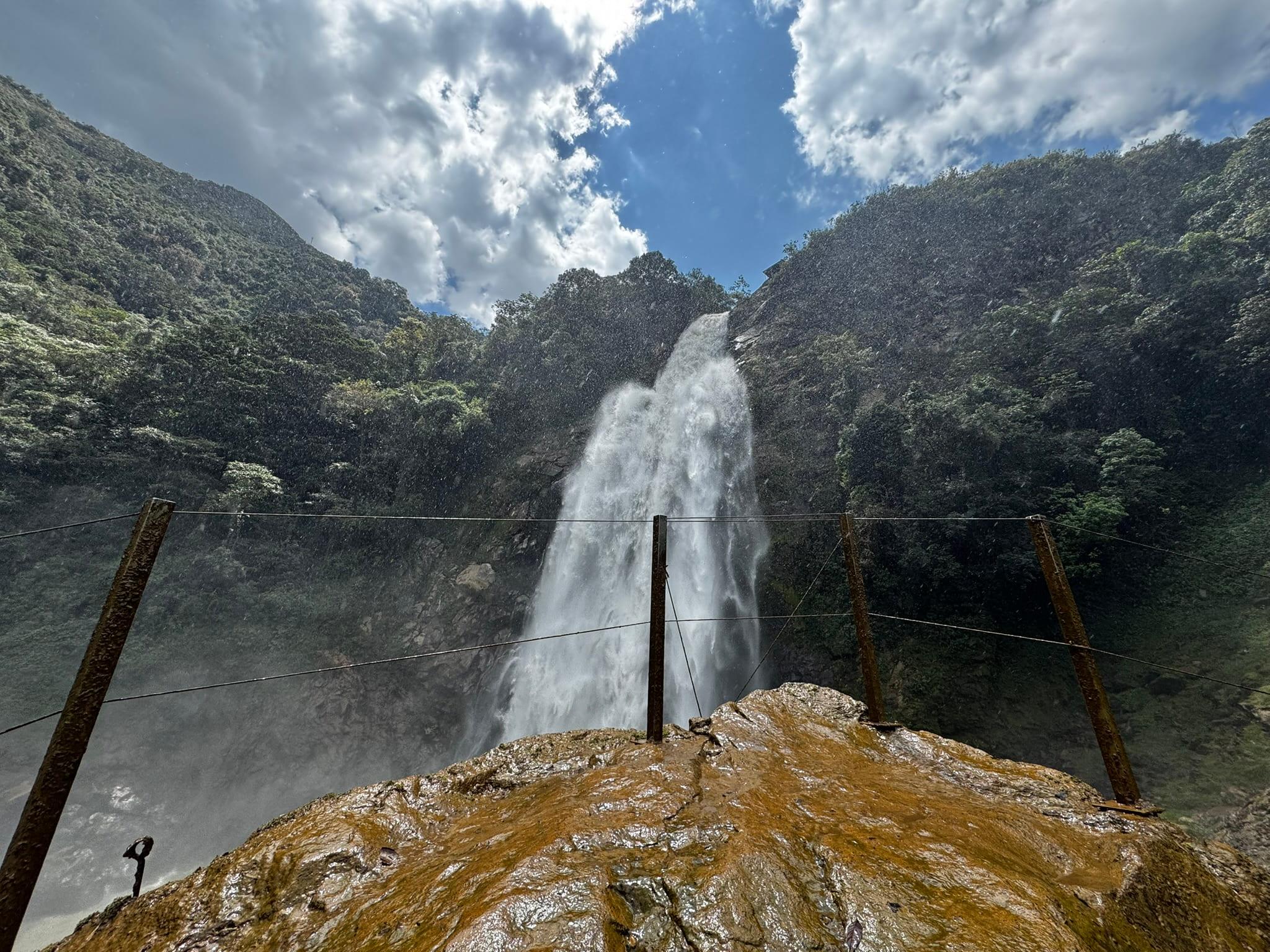
La Ceja has its own plaza and church, and is the gateway to Salto del Buey, a waterfall of about 100 metres near the town. Our Salto del Buey tour includes zipline, climbing, lunch and entrance, with pickup at your hotel; from Medellín the drive takes about 2 hours 15 minutes depending on traffic. Combining it with El Carmen on the same day is possible if you start early, but decide first what the main event is: ceramics or nature.
At PH Tours Medellín we run private tours with hotel pickup and English or Spanish-speaking guides, rated 5.0 on Google and Tripadvisor. Message us with your date, how many people you are and what you prefer (more ceramics, more town or more nature) and we will organise the day around you.
Local tip If you only have one day, pick one strong thing (the workshop or the waterfall) and make the other a short visit. Message us and we will tell you how to fit the timing.
Nature and hikes near El Carmen
Besides ceramics, the municipality climbs to about 3,000 metres and has canyons, rivers and waterfalls. Nature-tourism operators such as Antioquia de Aventura offer one-day hikes in the area, for example to Cerro San Miguel (La Unión), La Aguada, the San Lorenzo river waterfalls or the Melcocho river. These take more effort than visiting the town and are booked separately with that operator; check price, difficulty and starting point beforehand.
For something shorter, the El Picacho waterfall (13 metres) is on the municipality's list of sites in Wikipedia; confirm access before you go.
Local tip With a single day, do not mix a mountain hike with the workshop visit: they are two different plans.
When to go, where to sleep and what else to know
The weather is cool all year because of the altitude; bring a light jacket and an umbrella, as it rains often in this area. Weekends bring more people and more open shops; on weekdays some workshops receive visitors with less bustle. Check opening hours before you go.
The Fiestas de la Loza have been held since 1975 and, since 1991, run together with the Clásica de Ciclismo (a cycling race). There are also cultural events: the El Gesto Noble International Theatre Festival (since 1993, usually in the second week of July), the Viboral Rock Festival (since 2005) and the Carnavalito of Andean and Latin American music. Dates change every year: check with the mayor's office or the Casa de la Cultura.
For sleeping, most travellers combine El Carmen with Rionegro, La Ceja or El Retiro, where there are more hotels and country houses. El Carmen itself has small options; check availability and recent reviews on booking platforms, because we cannot promise a fixed list.
El Carmen de Viboral FAQ
What is there to do in El Carmen de Viboral?
Walk the main square, step into the church of Nuestra Señora del Carmen with its ceramic mosaics, visit hand-painted pottery workshops, buy tableware or gifts and have a lunch of Antioquian food. With more time you can go to El Pórtico linear park or the El Picacho waterfall.
How do I get from Medellín to El Carmen de Viboral?
It is about 54 km via Rionegro, 1.5 to 2 hours by car depending on traffic. There are also buses from Medellín towards the Oriente; check company, schedules and fares before you go. With PH Tours you can go with a private driver or guide.
Why is El Carmen de Viboral famous?
For its hand-painted under-glaze ceramics, a tradition that began in 1898 with the Locería del Carmen and is now on Colombia's Representative List of Intangible Cultural Heritage.
How much time do you need to visit El Carmen de Viboral?
Half a day is enough for the square, the church and one workshop. With a full day you add a relaxed lunch, shopping and a stop in La Ceja or a nearby nature spot.
How far is El Carmen de Viboral from Medellín?
About 54 km according to the Ministry of Culture and Wikipedia; other sources give 56 km. Real travel time depends on traffic, especially on weekends and public holidays.
Where can I buy El Carmen de Viboral ceramics?
In the town's pottery workshops and shops. There are around 20 registered workshops. Compare two or three shops, check that the decoration is by hand and ask about packing if you are travelling.
Are there hotels in El Carmen de Viboral?
There are small places to stay in town, but the wider choice is in Rionegro, La Ceja and El Retiro. Check availability and recent reviews before booking.
When was El Carmen de Viboral founded?
On 13 April 1752, as a country-estate hacienda with a chapel. It became a parish in 1807 and counts its own administration from 1814, according to Wikipedia.
Why is it called El Carmen de Viboral?
According to Wikipedia, El Carmen comes from devotion to the Virgin or from the gardens (cármenes) of Granada in Spain, and Viboral, apparently, from the snakes common beside the Cimarronas river.
How many people live in El Carmen de Viboral?
About 49,600 in 2022, per the DANE projection cited by Wikipedia.
What is the weather like in El Carmen de Viboral?
Cool all year because of the altitude (2,150 m on average); the Antioquia de Aventura profile gives an average of 17 °C. Bring a jacket and an umbrella.
Can I hike near El Carmen de Viboral?
Yes. There are one-day hikes to waterfalls and canyons in the municipality, for example with operators such as Antioquia de Aventura. Check price, difficulty and starting point before booking.
When are the Fiestas de la Loza?
They have been held since 1975 and, since 1991, together with the Clásica de Ciclismo. Dates change every year; check the agenda of the mayor's office or the Casa de la Cultura.
PH Tours trips to complete your visit
Private tour guide
A private tour guide in Medellín with a comfortable vehicle and hotel pickup. Your group, your pace, English or Spanish. Plan it on WhatsApp.
Private driver
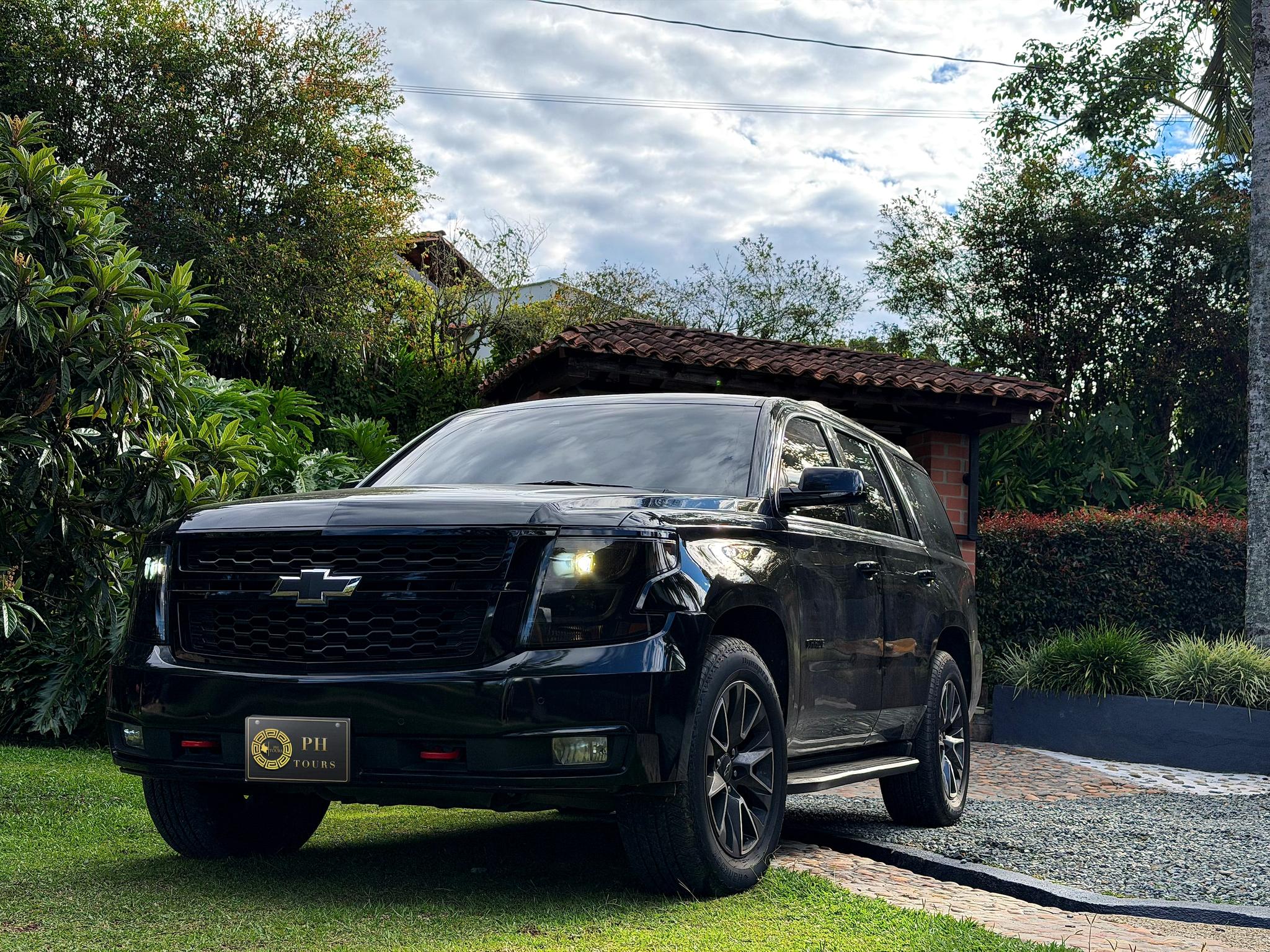
Private driver and car service in Medellín by the hour, day or several days. SUVs, Chevrolet Tahoe and vans. Ask us on WhatsApp for the price.
Salto del Buey
Private day from Medellín to Salto del Buey, a 100 m waterfall near La Ceja. Zipline, climbing, lunch and entrance included, with hotel pickup.
Coffee tour from Medellín
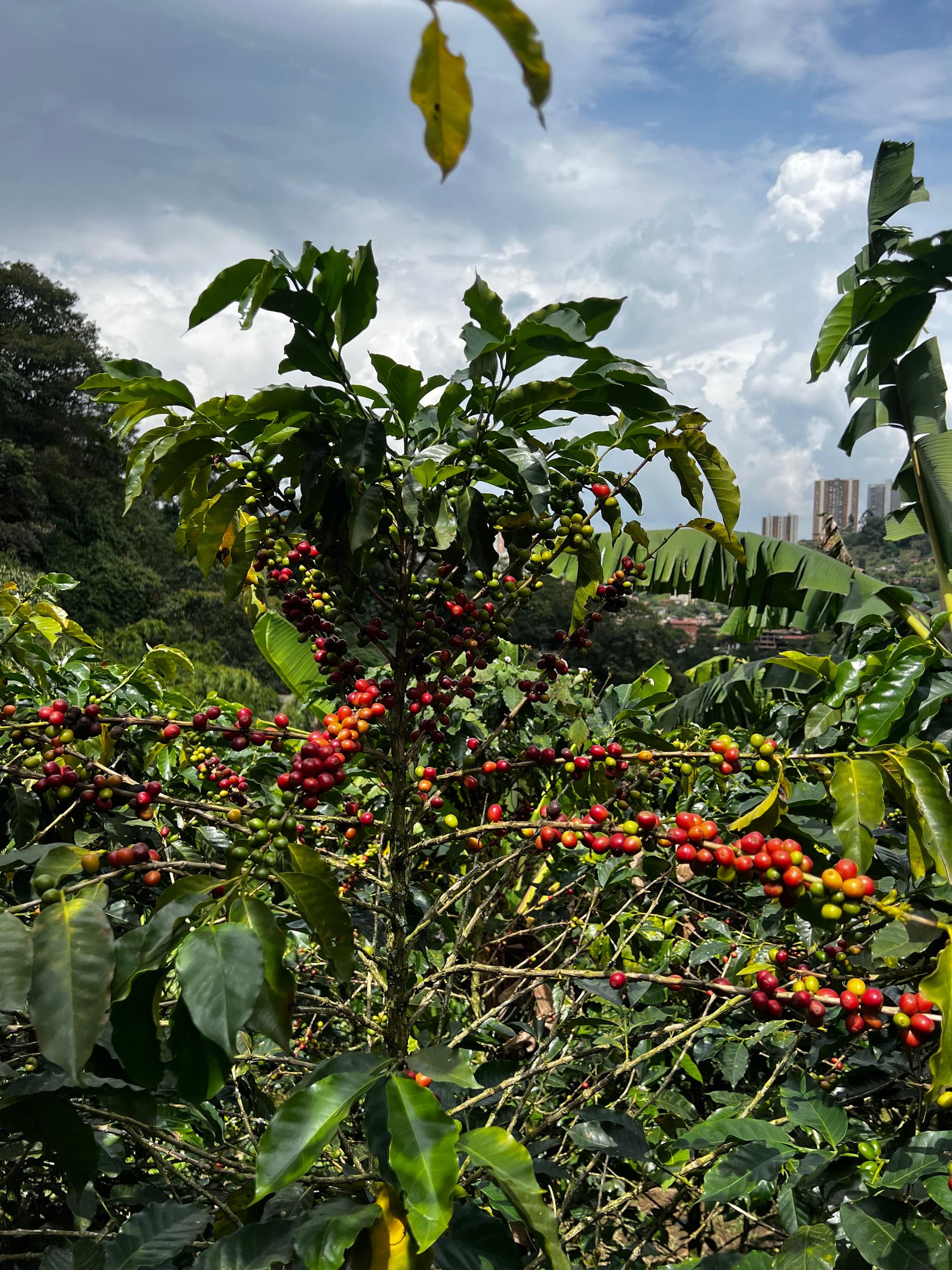
A private coffee tour from Medellín to Antonio's family farm: learn how coffee is grown and made, taste it fresh and enjoy a slow day in the countryside.
Visit El Carmen de Viboral with a private guide
Pickup at your Medellín hotel, English and Spanish-speaking guides, 5.0 on Google and Tripadvisor.
Message us on WhatsApp+57 305 788 2726