Skip to content
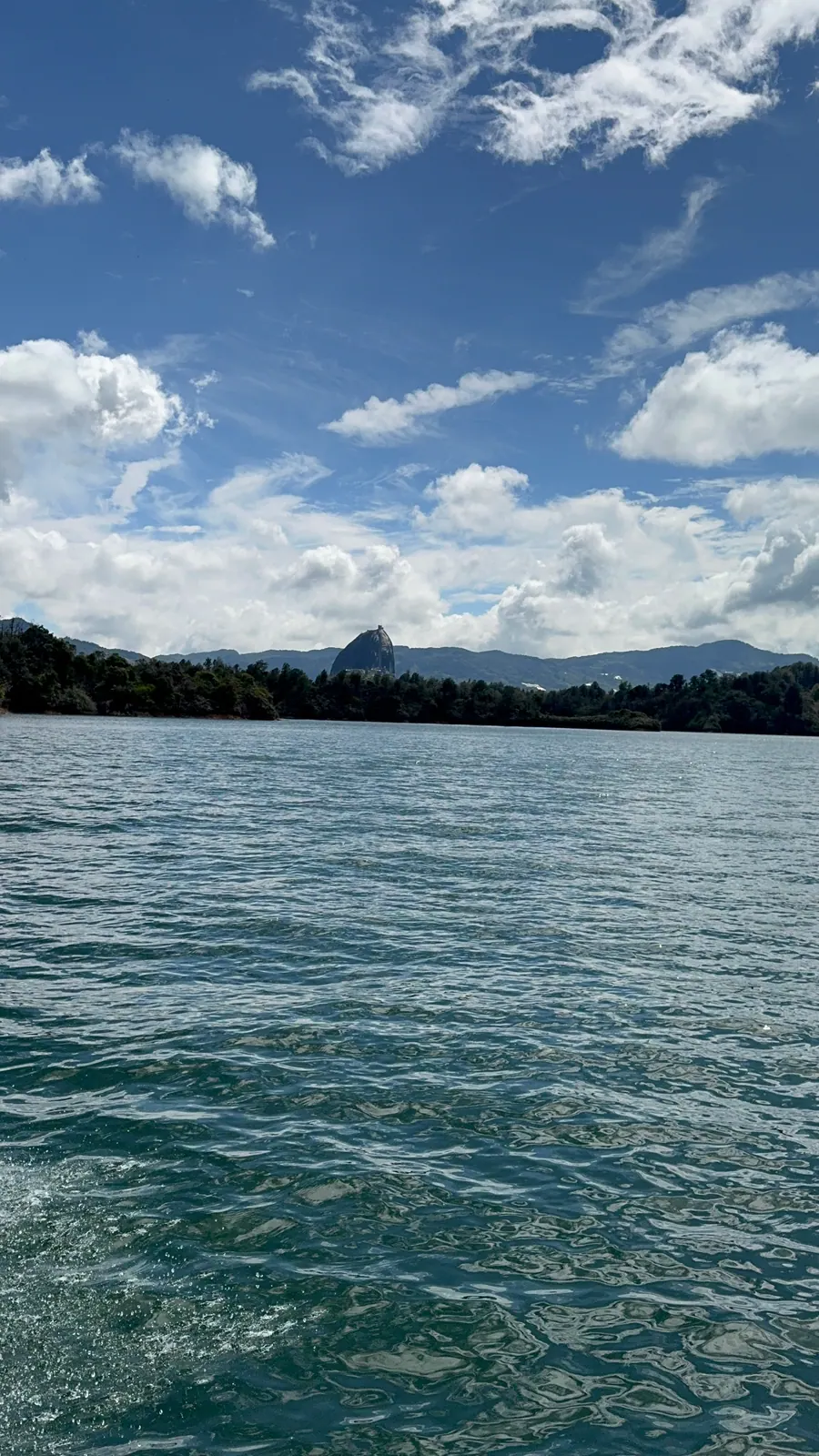
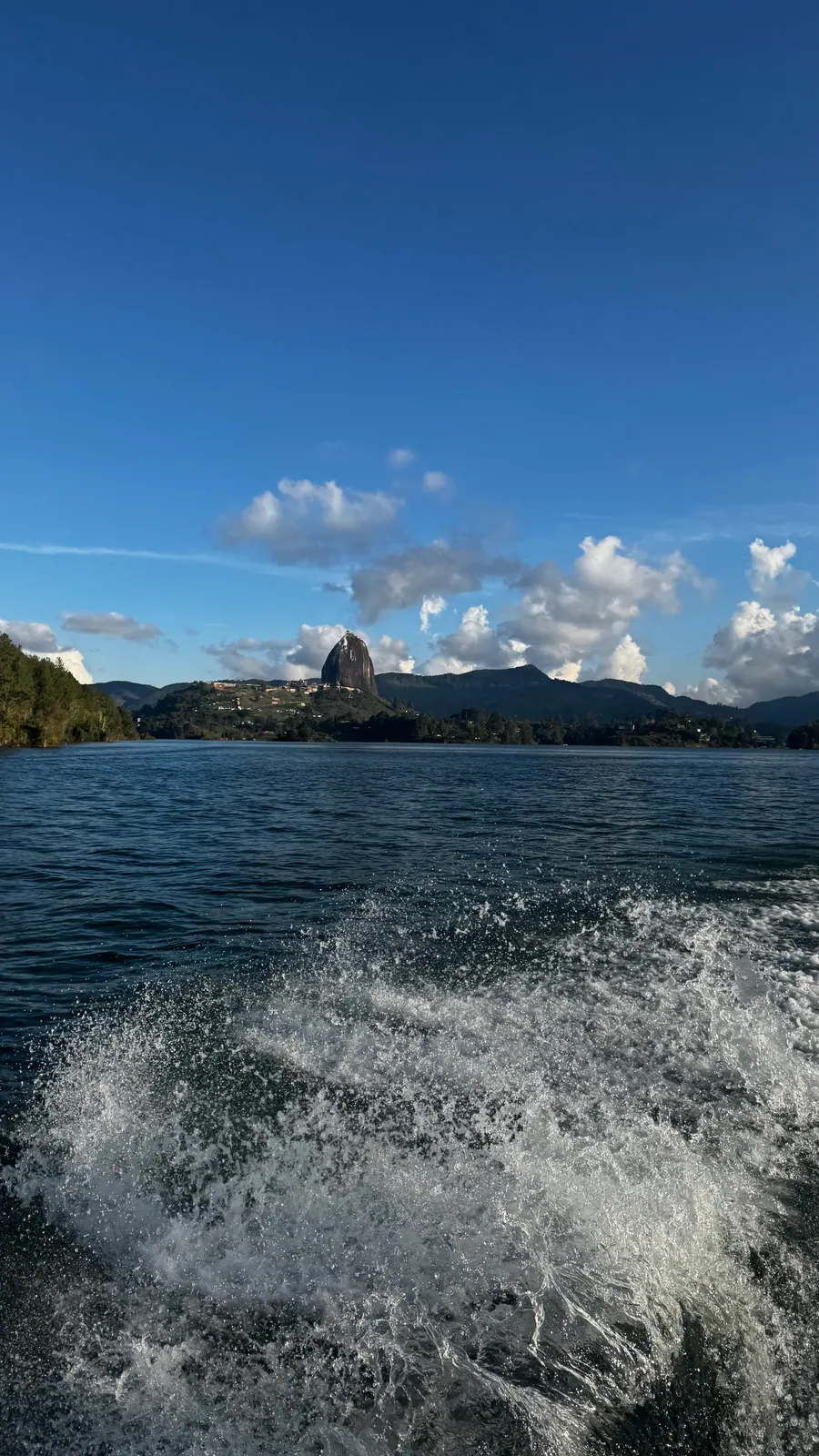
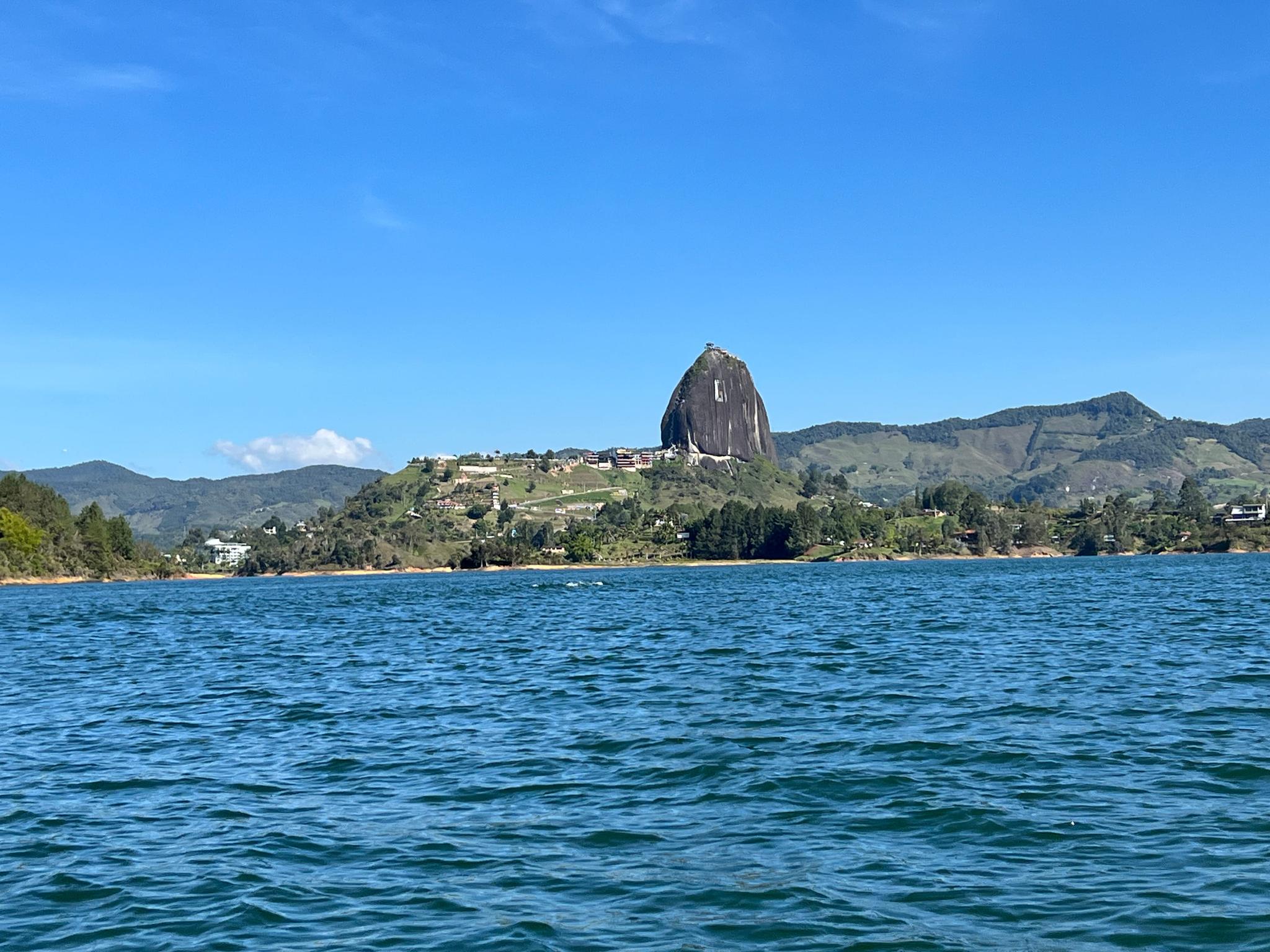
La Piedra del Peñol rising above the Guatapé reservoir

Guatapé · Antioquia · Colombia

El Peñol Rock (Guatapé Rock): Hours, Entry Fee and How to Get There

El Peñol rock, also known as Guatapé rock, is a granite monolith about 220 metres tall beside the Guatapé reservoir in Antioquia, around 80 km (roughly 2 hours by road) from Medellín. A staircase fixed to the rock leads to a viewpoint over the reservoir and its islands; our El Peñol steps guide covers the climb itself. This guide covers how to get there, hours, entry, height, history and the best time to go.

Plan my visit
Height of the rock
about 220 m above the ground
Altitude
about 2,135 m above sea level
Steps
about 740 (some sources say 708)
Climbing time
about 30 minutes, with pauses
From Medellín
about 80 km, close to 2 hours
Hours and entry
check before you go; they change
Best time
at opening time, on a weekday
Total visit
1 to 2 hours at the rock
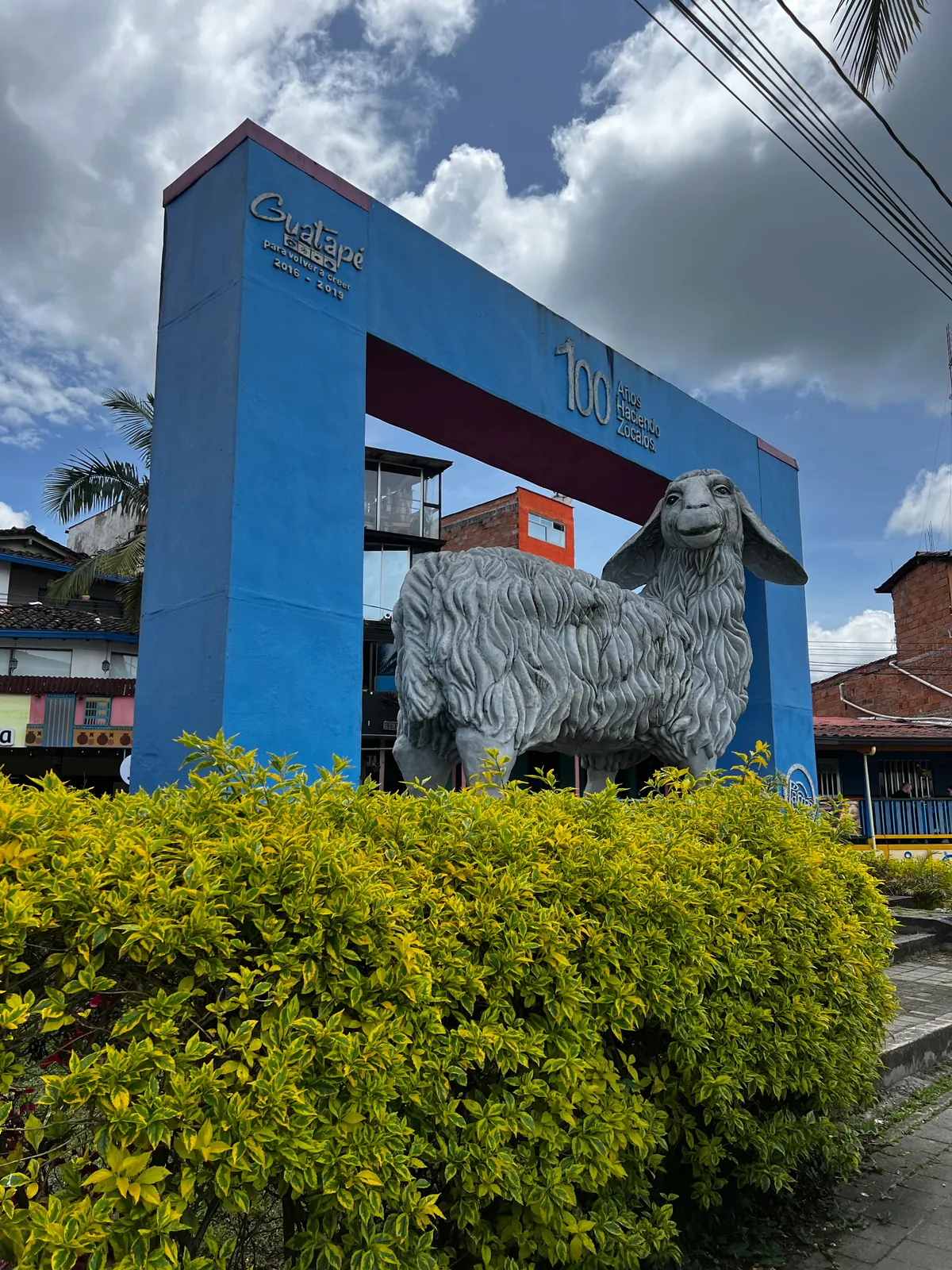
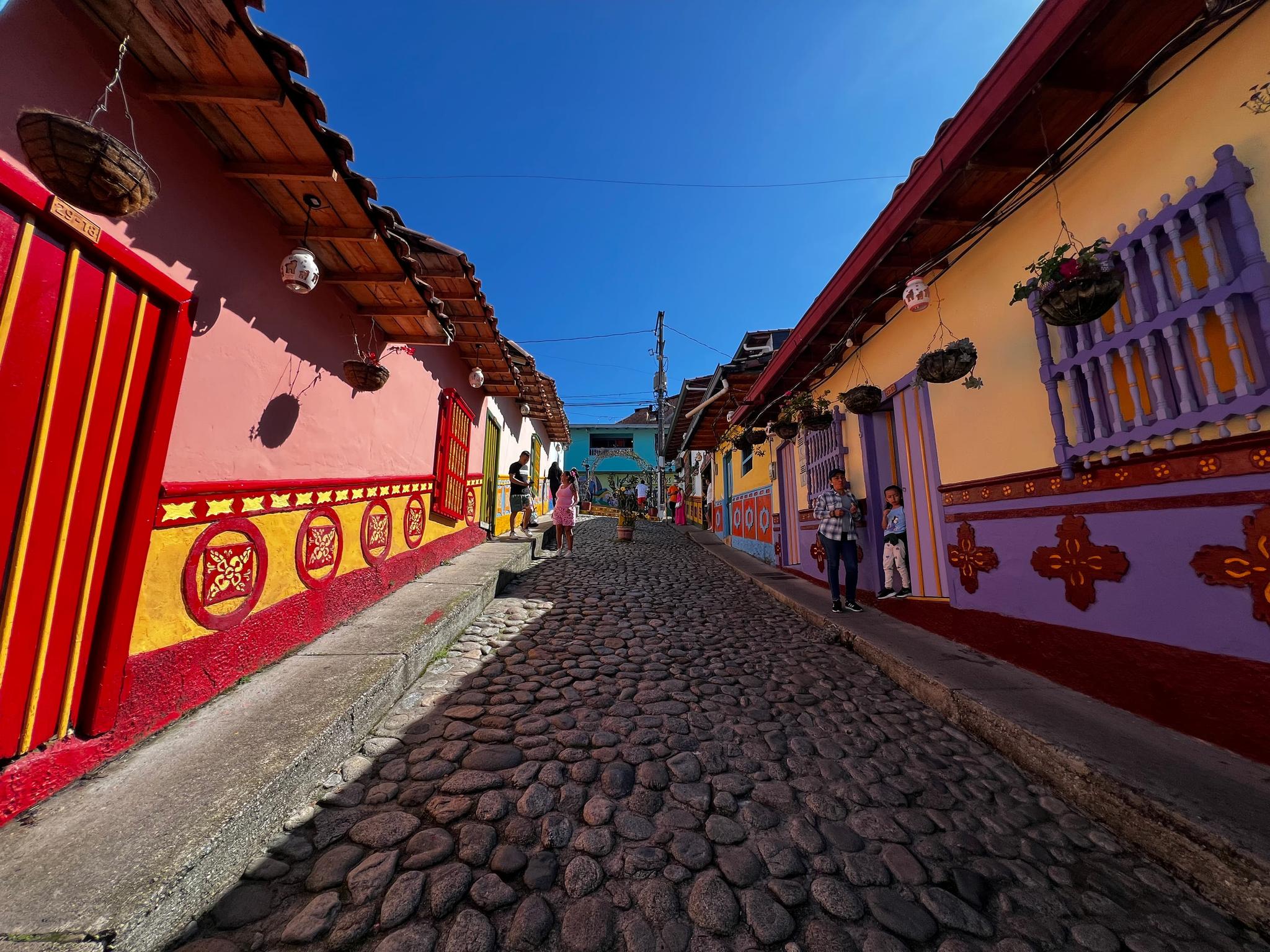
Colourful zócalo houses on a cobbled street in Guatapé at dusk

Chapter 01

What is El Peñol rock?

El Peñol rock, called La Piedra del Peñol in Spanish and sometimes the Guatapé rock, is an enormous granite boulder that rises almost on its own above the hills of eastern Antioquia. Geologists call it an inselberg: a dome of crystalline rock left exposed when erosion carried away the ground that once covered it. According to Wikipedia, its indigenous Tahamí name is Mojarrá, and piedradelpenol.org, an independent visitor site, adds that the Tahamí regarded it as a sacred place.

Today the rock is ringed by the Guatapé-El Peñol reservoir, an artificial lake of islands and peninsulas, and that is the view everyone comes for. It is the main attraction of the municipality of Guatapé and one of the most popular visits in Antioquia, alongside the town of colourful zócalo facades.

The rock stands on private land. The tourist centre's operator runs the staircase, the ticket office and the services, so prices and hours are set by the operator and can change.
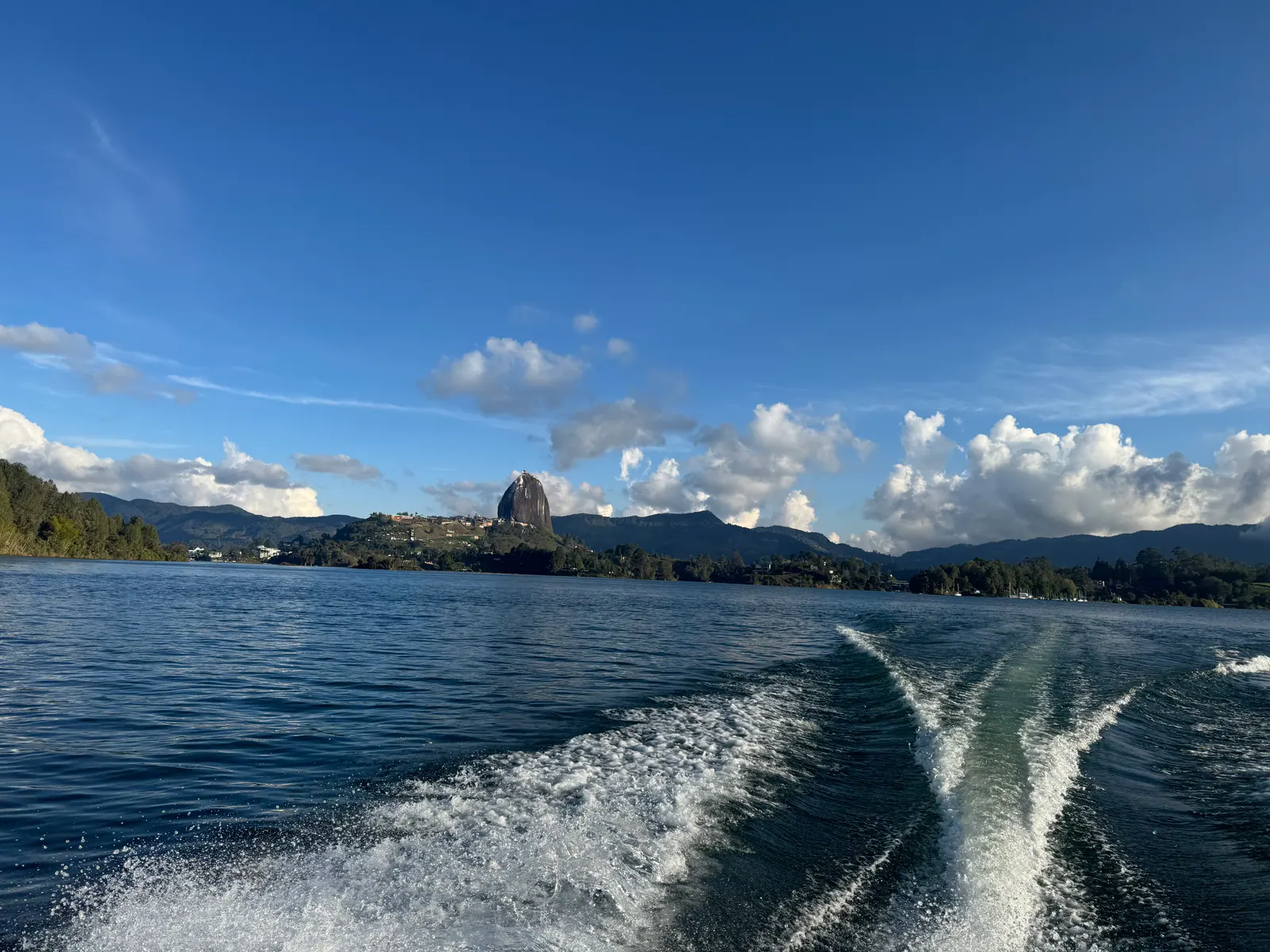
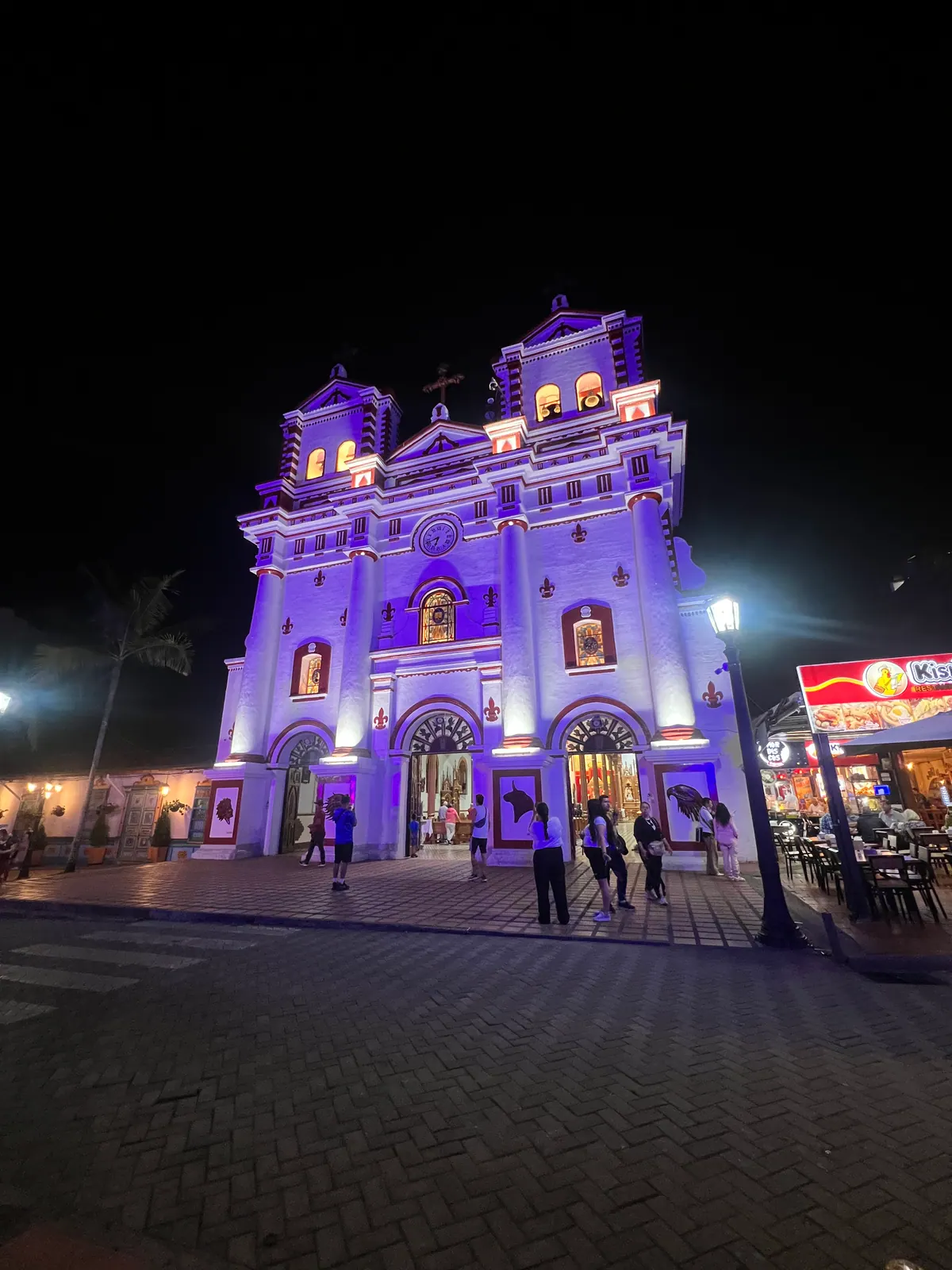
Guatapé and El Peñol, Antioquia – photo from a PH Tours tour

Chapter 02

How to get to El Peñol rock from Medellín

The rock is about 80 km from Medellín by road, a drive of close to 2 hours depending on traffic. There are three ways to get there:

  • Bus from Medellín's Terminal del Norte towards Guatapé or El Peñol; ask to be dropped at the entrance to the rock. Buses leave often, but ask when the last one back departs. piedradelpenol.org lists departures about every 30 minutes between 6:00 a.m. and 6:00 p.m. (operators Sotrasanvicente and Sotrapeñol) and about 2 hours of travel; confirm the schedule and fare at the terminal.
  • Your own or a rental car: the road leaves the city to the east and the drive is straightforward, though weekends and public holidays bring traffic jams. There is parking at the site for a fee; check the rate.
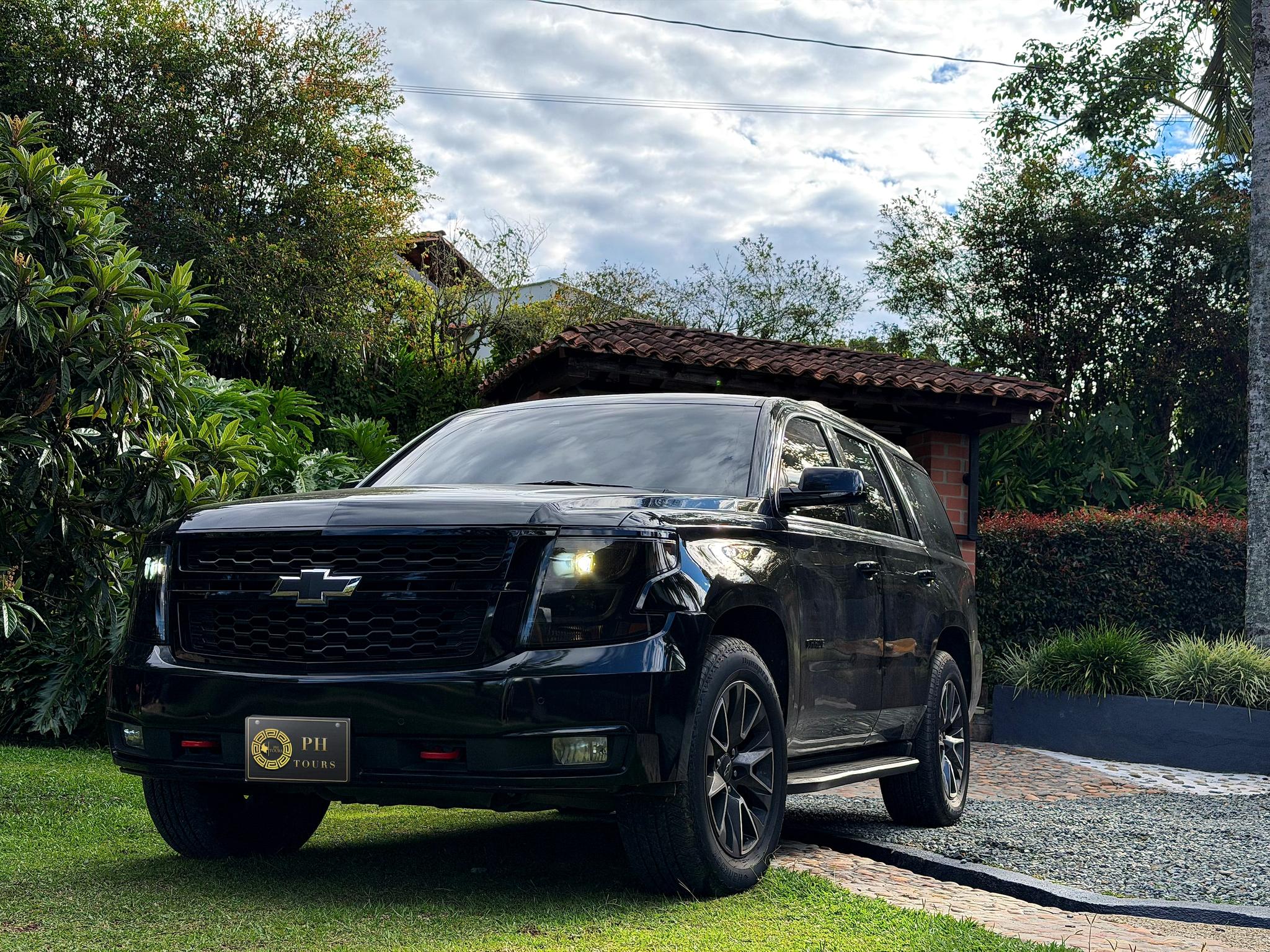
  • A private tour or a transfer with a driver: hotel pickup, no bus timetable to depend on, and the climb at first light when it is quieter.

From Guatapé town

If you are staying in Guatapé, the rock is about 4 km from the town. A tuk-tuk from the main square takes 10 to 15 minutes; piedradelpenol.org lists 12,000 to 20,000 pesos, so agree the fare before you get in. Our Guatapé town guide covers the rest of the area.

For the details of the journey, we have a separate guide covering every transport option between the two towns.

How to get from Medellín to Guatapé: every option

Guatapé and El Peñol, Antioquia – photo from a PH Tours tour

Chapter 03

Climbing El Peñol rock: the staircase in brief

The figure you will see most often is 740 steps, although the Spanish Wikipedia counts 708. The gap usually comes from whether the landings and the last stretch to the viewpoint are included. What matters: the staircase is concrete, built along a crack in the rock, has a handrail and is a steady climb with no technical scrambling.

Most visitors need about 30 minutes to go up, with pauses at the landings. A fit person can be quicker, and a family with small children may take 45 minutes or more. Going down is faster, but your legs will feel it.

Our guide to the steps explains why there are two figures, how demanding the climb is, whether it suits children and older visitors, and how to prepare.

Full guide to the El Peñol steps

Guatapé and El Peñol, Antioquia – photo from a PH Tours tour

Chapter 04

Opening hours and entry fee: what to confirm

The hours and prices published online do not agree with each other, and the operator can close or adjust the schedule because of weather or events. So instead of a number that may be stale tomorrow, here is what is stable and what you should confirm.

  • Hours: El Espectador (June 2025) and the site piedradelpenol.org give 8:00 a.m. to 6:00 p.m. every day (the ticket office may close around 5:00 p.m.), while Colombia.com (July 2026) lists 8:00 a.m. to 5:00 p.m. Check the hours for your day before you go.
  • Entry: it is paid per person at the tourist centre's ticket office. El Espectador (June 2025) reports 30,000 Colombian pesos and Colombia.com (July 2026) reports 35,000 pesos; older or unofficial pages list lower figures. piedradelpenol.org lists 20,000 to 25,000 pesos for adults and 15,000 for children and seniors, plus an optional online skip-the-line ticket, but its figures are undated. Across all sources the range is 20,000 to 35,000 pesos and we found no confirmed 2026 tariff, so check the current fee.
  • Payment: bring cash in pesos. piedradelpenol.org says the booth does not take cards or foreign currency, and Guatapé has few reliable cash machines, so withdraw in Medellín.
  • Where to confirm: the official website of the La Piedra tourist centre or El Peñol's tourism page, on the day of your visit.

If you go with PH Tours, we plan the schedule and climbing time around the day; the entry fee is confirmed when you book.

Guatapé and El Peñol, Antioquia – photo from a PH Tours tour

Chapter 05

How tall is El Peñol rock, and how did it form?

The usual figure is 220 metres above the surrounding ground. The summit is at about 2,135 metres above sea level (Wikipedia gives 2,137 m), roughly 600 metres higher than Medellín, which sits at around 1,500 m. That is why the air feels thinner on the last part of the staircase.

  • Material: granite, made of quartz, feldspar and mica.
  • Volume: about 22 million cubic metres; perimeter of about 770 metres.
  • Size: about 285 m long and 110 m wide, according to piedradelpenol.org.
  • Estimated weight: about 66 million tonnes.
  • Origin: part of the Antioquian batholith, a vast mass of rock that cooled underground and was exposed by erosion.

Popular texts give an age of tens of millions of years, and a range of 65 to 80 million is sometimes quoted. Because sources do not all agree, take it as a general reference. Geologists compare the rock to Sugarloaf Mountain in Rio de Janeiro, another granite dome.

Guatapé and El Peñol, Antioquia – photo from a PH Tours tour

Chapter 06

History: El Peñol, Guatapé and the "GI" letters

The first documented climb was in July 1954, when Luis Eduardo Villegas López, with Pedro Nel Ramírez and Ramón Díaz, scaled the rock over several days. The Villegas family still owns the land today. Until then, for local farmers the rock was more of an obstacle to cultivation than an attraction.

In the 1970s the hydroelectric complex was built and the reservoir was filled. The old town of El Peñol ended up under water and a new town was built; the rock became a viewpoint over the lake.

The dispute between El Peñol and Guatapé

The rock lies on the boundary between the two municipalities, and both claim it. Guatapé was a district of El Peñol before becoming an independent municipality, and the argument over who it belongs to is still alive. According to Wikipedia, the rock stands in Guatapé's territory, which is why Guatapé's administration wanted to mark it with its name; for El Peñol it remains part of its identity.

The "GI" letters on the rock

In 1987 according to piedradelpenol.org, or 1988 according to other sources, Luis Villegas and the mayor of the time agreed to paint the name GUATAPÉ on the face of the rock. They managed to paint the letter G and part of the U, about 30 metres tall, in rubber paint; from below, the unfinished U reads like an "I". The work stopped when El Peñol invoked Law 23 of 1973, which prohibits painting over natural tourist attractions. So the "GI" you see on the rock is the word Guatapé left half finished, and it is one of the first things visitors ask about.

Sources differ on the exact date and on who stopped the work; what is well documented is the dispute and the two letters that remained.

Guatapé and El Peñol, Antioquia – photo from a PH Tours tour

Chapter 07

What is at the top: the viewpoint and the reservoir

At the end of the staircase there is a terrace with a viewpoint and services. From it you see the Guatapé-El Peñol reservoir, with its islands, bays and green peninsulas. Those islands are former hilltops: the valley was flooded when the hydroelectric plant was built and the water covered the rest.

On a clear morning the view is wide and sharp. If the day is cloudy, wait a few minutes: clouds move quickly and often open gaps. Most people stay up top for 20 to 30 minutes before heading down.

Services on the climb and at the base

  • There are rest areas along the staircase, including a shrine of the Virgin Mary; piedradelpenol.org also reports two first-aid points staffed by paramedics on the path.
  • The staircase has no overhead cover, so sun protection matters; the same source says heavy backpacks are not allowed on it.
  • At the base and at the top there are cafés, craft shops and snacks. Someone who does not climb can wait at the base cafés.

With children, older visitors or low fitness

Children who are used to walking can climb if an adult goes with them. If you have knee or heart problems, or a fear of heights, think it over and ask your doctor. Climbing is not compulsory: you can also enjoy the base, the food stalls and the view of the reservoir from below.

Guatapé and El Peñol, Antioquia – photo from a PH Tours tour

Chapter 08

Best time to climb El Peñol rock

Arrive when it opens, or as close to it as you can. In the early hours it is cooler, the staircase has less two-way traffic and the view is usually clear. At midday the tours and families arrive, and in the afternoon clouds or rain are common.

  • Tuesday to Thursday are the calmest days. piedradelpenol.org says tour buses from Medellín start to fill the site around 9:45 a.m., so arriving at the 8:00 a.m. opening avoids most of them.
  • Holy Week, December and January are the busiest periods; expect traffic from Medellín and a crowded staircase.
  • Weekdays are quieter than Saturday or Sunday.
  • On long holiday weekends Guatapé fills with people from Medellín; a holiday Monday can feel like a Saturday.
  • If it rains the steps get wet: climb slowly and hold the handrail.
  • The driest months of the year tend to give better views, but the weather here changes fast at any hour.

What to see in the town of Guatapé

Guatapé tour from Medellín with El Peñol rock

Guatapé and El Peñol, Antioquia – photo from a PH Tours tour

Chapter 09

Near the rock: Guatapé town, the reservoir and the old El Peñol

  • Guatapé town: about 4 km away, 10 to 15 minutes by tuk-tuk. It is the town of painted zócalos, the Calle del Recuerdo and the malecón; see our Guatapé town guide.
  • The reservoir: the rock rises from it. Boat rides, jet boats and wakeboarding are offered on the water.
  • Parque Temático Réplica del Viejo Peñol: a reconstruction of the old town flooded by the reservoir, about 15 to 20 minutes by car according to piedradelpenol.org. Confirm hours and entry.
Guatapé and El Peñol, Antioquia – photo from a PH Tours tour

Chapter 10

What to bring and what else to do in Guatapé

  • Shoes with grip, not flip-flops.
  • Water and a light snack; a small backpack rather than a handbag.
  • Sunscreen and a cap: the sun is strong at altitude even when it is cool.
  • Cash in pesos for the entry fee and purchases.
  • A light jacket for the wind at the viewpoint.

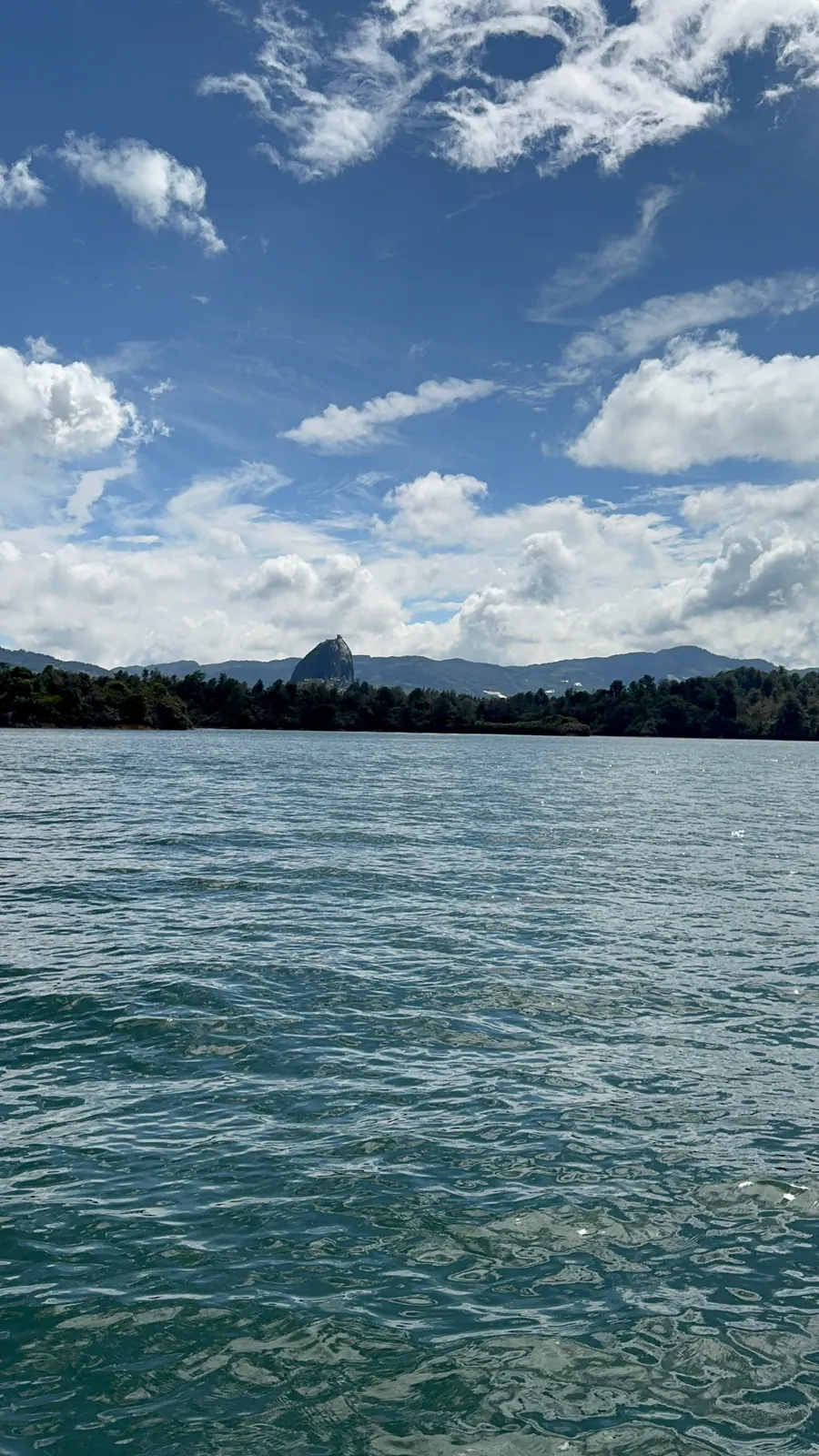
Allow 1 to 2 hours at the rock for the climb and the viewpoint. The rest of the day usually goes to the town of Guatapé, famous for the colourful zócalos on its facades and for the waterfront promenade beside the reservoir. From the water you see another side of the landscape, for example on a boat ride.

Guatapé and El Peñol, Antioquia – photo from a PH Tours tour

Chapter 11

Visit El Peñol rock with PH Tours

PH Tours runs private tours to Guatapé and El Peñol rock from Medellín, with hotel pickup and guides in English and Spanish. Because the tour is private, your group sets the pace and the climb is timed to avoid the busiest hours. Our rating is 5.0 on Google and Tripadvisor.

Message us on WhatsApp with your date and the number of people and we will reply with the information for that day.

El Peñol rock: frequently asked questions

Is the climb to the top of El Peñol rock hard?

It is a steady climb on a concrete staircase built along a crack in the rock, with a handrail and no technical scrambling. Most visitors need about 30 minutes, with pauses. Our El Peñol steps guide has the full detail.

How much does it cost to enter El Peñol rock?

Sources differ: piedradelpenol.org lists 20,000 to 25,000 Colombian pesos, El Espectador 30,000 (June 2025) and Colombia.com 35,000 (July 2026). The operator sets the fee and we found no confirmed 2026 tariff, so check the current price before you go and bring cash.

What are the opening hours of El Peñol rock?

El Espectador (June 2025) gives 8:00 a.m. to 6:00 p.m. every day; Colombia.com (July 2026) says 8:00 a.m. to 5:00 p.m. It can change because of weather or events, so check on the day.

How tall is El Peñol rock?

It is about 220 metres above the surrounding ground and its summit is about 2,135 metres above sea level, around 600 metres higher than Medellín.

How long does it take to get from Medellín to El Peñol rock?

It is about 80 km and close to 2 hours by road, longer if there is weekend or holiday traffic. You can take a bus from the Terminal del Norte, drive yourself or join a tour with transport.

Does El Peñol rock belong to El Peñol or to Guatapé?

It sits on the boundary of the two municipalities and both claim it. The rock is in Guatapé's territory, but for El Peñol it remains part of its identity. The land is private, owned by the Villegas family.

What do the letters GI on El Peñol rock mean?

They are the start of the word GUATAPÉ (a G and part of a U), which was started in the late 1980s and stopped when El Peñol invoked Law 23 of 1973, which prohibits painting natural attractions. The letters are about 30 metres tall.

How far is El Peñol rock from Guatapé town?

About 4 km. A tuk-tuk from the main square takes 10 to 15 minutes, according to piedradelpenol.org; agree the fare first.

Do I need to book El Peñol rock in advance?

Normal entry is bought on site, and piedradelpenol.org says advance booking is not required, although it also sells an online skip-the-line ticket. On holiday weekends arrive at opening time and check the official site.

Can I pay by card at El Peñol rock?

piedradelpenol.org, an independent visitor site, says the ticket booth takes cash in Colombian pesos only, so bring cash from Medellín.

Is El Peñol rock worth it?

Yes if you want the view over the reservoir; it is the main sight in the area. You can skip the climb and still enjoy the base, the cafés and the town, but the viewpoint is the reason most people come.

What is the best time to climb El Peñol rock?

At opening time, on a weekday. It is cooler, the staircase is less busy and the view is usually clearer; clouds often roll in during the afternoon.

Let someone guide you

Private tour from Medellín with hotel pickup and guides in English and Spanish. 5.0 on Google and Tripadvisor.

Book on WhatsApp

How many steps does El Peñol have? · How to get from Medellín to Guatapé · Guatapé, Colombia

Sources and credits

Photos by PH Tours. Updated 2026-11-22.