
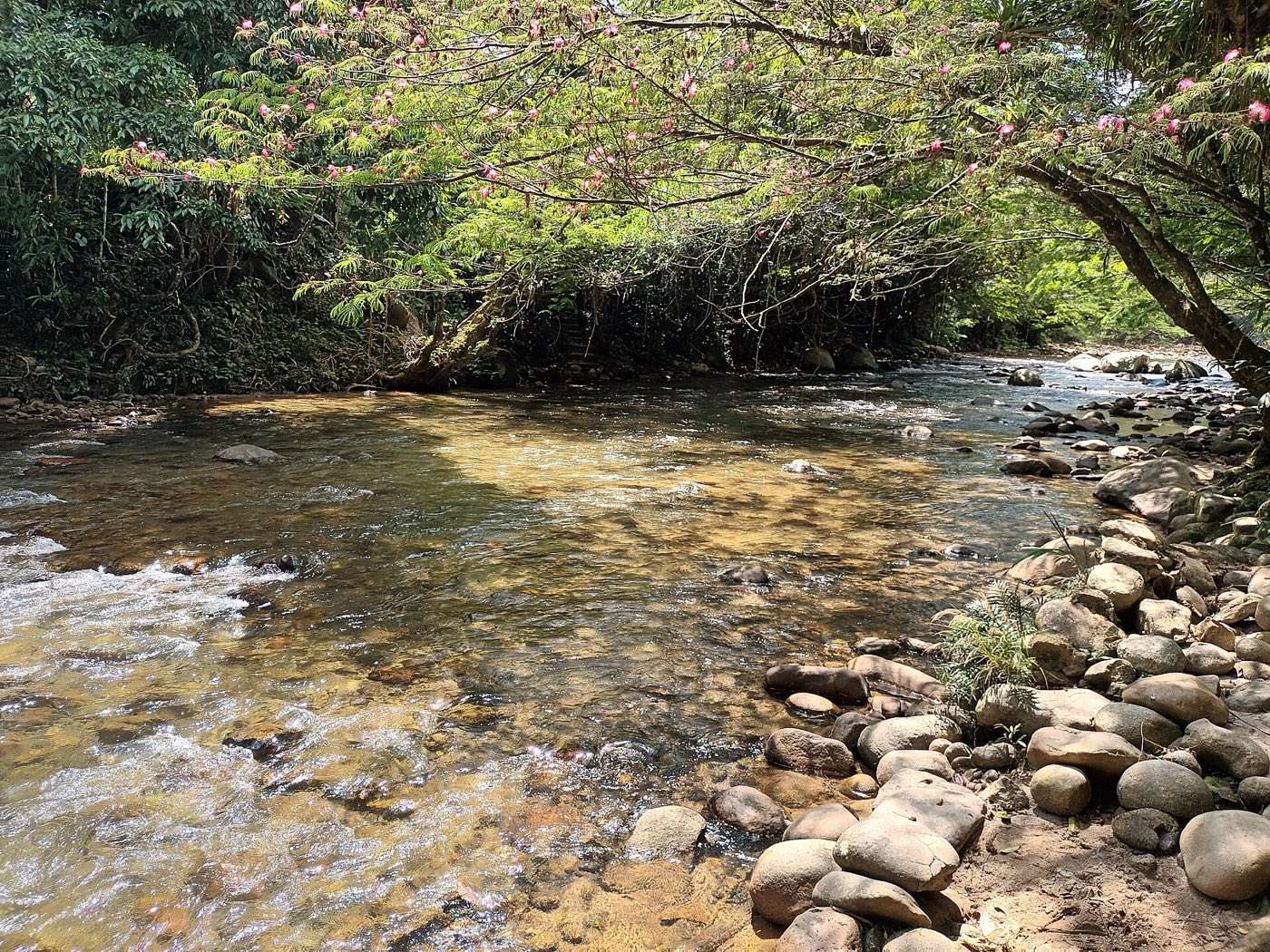
San Rafael at a glance
San Rafael is in eastern Antioquia, next to Guatapé, Alejandría, San Roque and San Carlos. Miners looking for gold founded it in 1864. Today it lives mainly on farming (coffee, sugar cane, beans, maize and fruit) and, more and more, on nature tourism. The 2018 census counted 15,698 people.
The town sits in a hollow between the Guatapé river and the Bizcocho river. The Arenal, the Jaguas and the Nare also run around it. A regional tourism guide counts about 90 natural swimming holes and 16 waterfalls in the municipality, and calls it Colombia's hydro-energy capital because of its reservoirs and power plants.
The plan here is different from Guatapé: walk to a swimming hole, swim in water you can see the bottom of, and come back to the plaza for lunch.
How to get to San Rafael from Medellín
Sources give between 108 and 111 km from Medellín and between 2 hours and 2 h 40 min of travel, because the starting point and the traffic change. Count on 3 hours if you leave a hotel in El Poblado on a weekend.
By car
The most used route is the Medellín-Bogotá highway through Guarne and Marinilla, then El Peñol and Guatapé, and from there the road to San Rafael. There is an alternative through Las Palmas and the Túnel de Oriente with a similar travel time. After Guatapé the road is narrower and mountainous.
There are three tolls for a car (category 1): Guarne, La Ceja and El Trapiche, which added up to 26,000 COP in a June 2025 guide. Rates change, so check them before you leave.
By bus
Buses leave from the Terminal del Norte, with companies such as Sotrasanvicente and SotraPeñol. A 2025 guide quoted between 28,000 and 30,000 COP and about 3 hours of travel, with departures from 5:00 a.m. Prices and schedules change, so confirm them at the terminal. The bus drops you at the main plaza, and from there you walk or take a mototaxi.
Local tip: The road is full of curves. If mountain buses make you queasy, sit near the front or go by car with stops.
With a private driver or private tour
If you do not want to drive the mountain road or depend on the bus, you can ask for a private driver or a private tour. It helps here because several swimming holes are on dirt roads and bus times do not fit a day at the river.
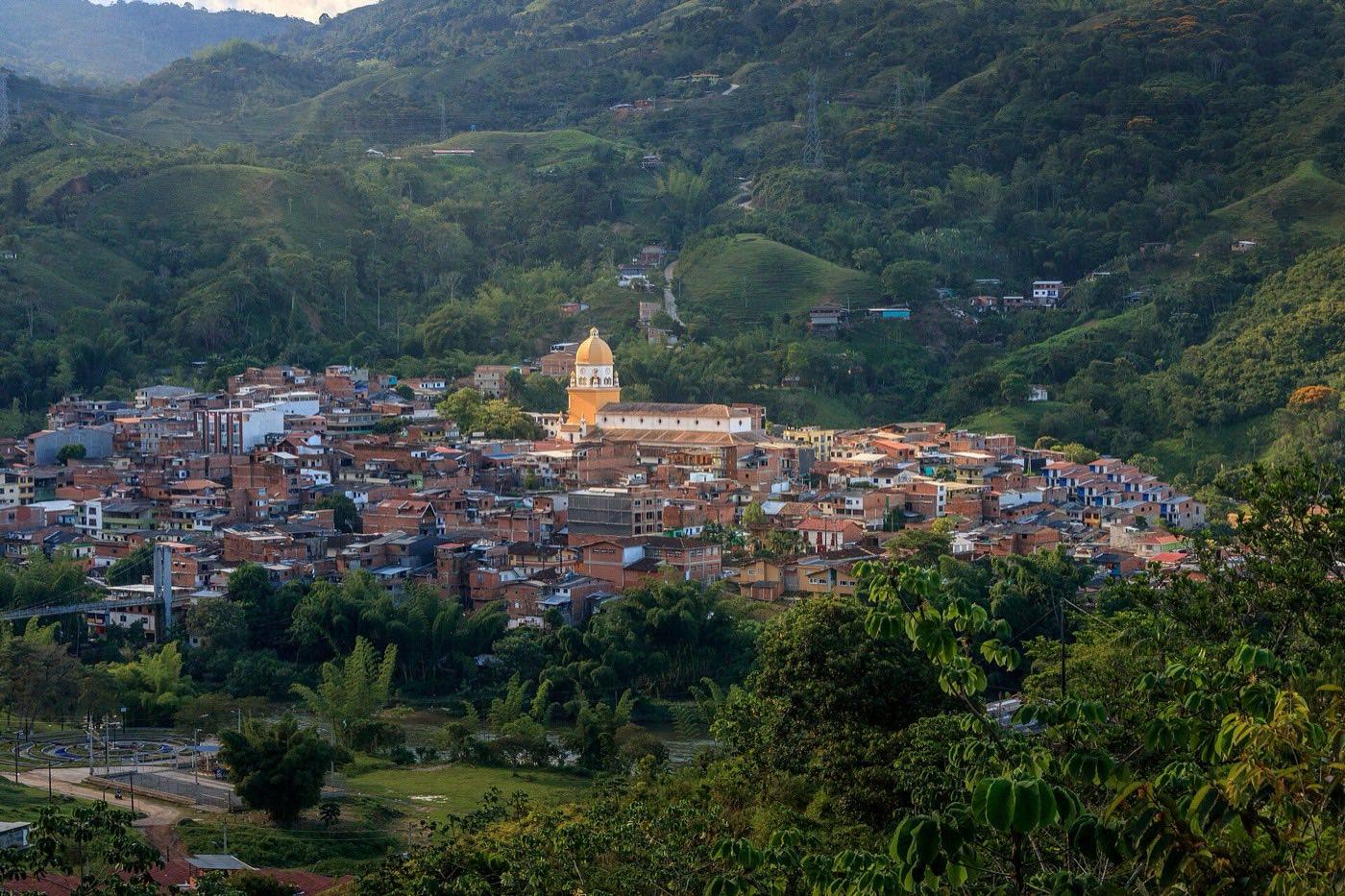
The swimming holes and rivers of San Rafael
Charcos are natural pools that rivers form between rocks. Each has its own character: some are 30 minutes on foot from town, others need a dirt road or a hike through the countryside.
El Trocadero
Arenal river
About 30 min on foot from town
- On foot from town
- Bridge and river access
- Jungle trail
The easiest from the plaza. On the far side of the bridge a trail runs beside the river.
Source: Un Mundo Ahí Afuera
La Honda waterfall
Arenal river
20 min on foot from the El Trocadero entrance
- Short walk
- Waterfall
Combine it with El Trocadero in the same outing.
Source: Un Mundo Ahí Afuera
La Cazuela
River in the municipality
Near town; ask for the route
- Natural pool
- Few visitors
The river forms a natural pool, with few people.
Source: Un Mundo Ahí Afuera
La Oscura
Las Arañas area
Between Guatapé and San Rafael
- Car or mototaxi
- Passes a gatehouse
- Green and blue water
Clear water and big rocks. By car you go through the Guatapé hydroelectric plant; from San Rafael, by mototaxi.
Source: Infobae, Sep 2026
La Araña swimming holes
Guatapé–San Rafael border
Entrance via the Ciprés village
- Hike
- Camino de Islitas
- Trekking
You walk the old muleteers' path through thick vegetation. Ask about the state of the trail.
Source: DiarioOriente, Nov 2025
Bizcocho river
Bizcocho river
15 to 20 min by car from the centre
- Car or hired transport
Without your own car, hire transport in town or through local agencies.
Source: Un Mundo Ahí Afuera
Guatapé river
Guatapé river
Runs through the town
- In town
- El Jardín footbridge
You can see it from the El Jardín bridge. It rises with rain: look at the water before you get close.
Source: Wikipedia ES; Oriente Antioqueño
Salto del Indio
San Rafael municipality
Difficult path
- Difficult path
- Ask first
The guide did not visit it: ask locals about the trail, especially if it has rained.
Source: Un Mundo Ahí Afuera
What to do in San Rafael
- Swim in the swimming holes of the Arenal and Bizcocho rivers.
- Float down the river on an inner tube (tubing) with local operators.
- Walk to La Honda waterfall or to the La Araña swimming holes along the Camino de Islitas.
- Visit a cacao farm: one guide describes a tour from the fruit to the chocolate bar.
- Stroll the plaza, the church of San Rafael Arcángel, the linear park and the El Jardín bridge.
- Try bizcocho de arriero and horchata made with rice, panela and cinnamon.
- Fish in the reservoir; some villages have sport-fishing spots.
If you stay several days, the local calendar includes the Fiestas del Río in June, the Virgen del Carmen festivities in July and the patron-saint festival of San Rafael Arcángel between 16 and 24 October. Check the dates with the municipality.
Weather and best time to swim
San Rafael is warm and very rainy. The Violetas Las station, at 1,016 m, recorded between 1981 and 2010 an average temperature of 22.8 °C, highs of 28.9 °C and lows of 17.9 °C, with 3,661 mm of rain a year and 233 rainy days (IDEAM data). Humidity is around 86%. One tourism page speaks of 17 °C, but that figure does not match the station.
There is no clear dry season. January has the least rain (123.7 mm, 13 days) and February follows; October is the wettest (488.2 mm, 25 days). July and August have the most hours of sun (198 and 192 hours). For swimming, check the forecast for the day: a sunny morning beats any month.
Local tip: One travel guide describes the Arenal's water as less cold than the river at Jardín. Water temperature changes with the rain.
River safety
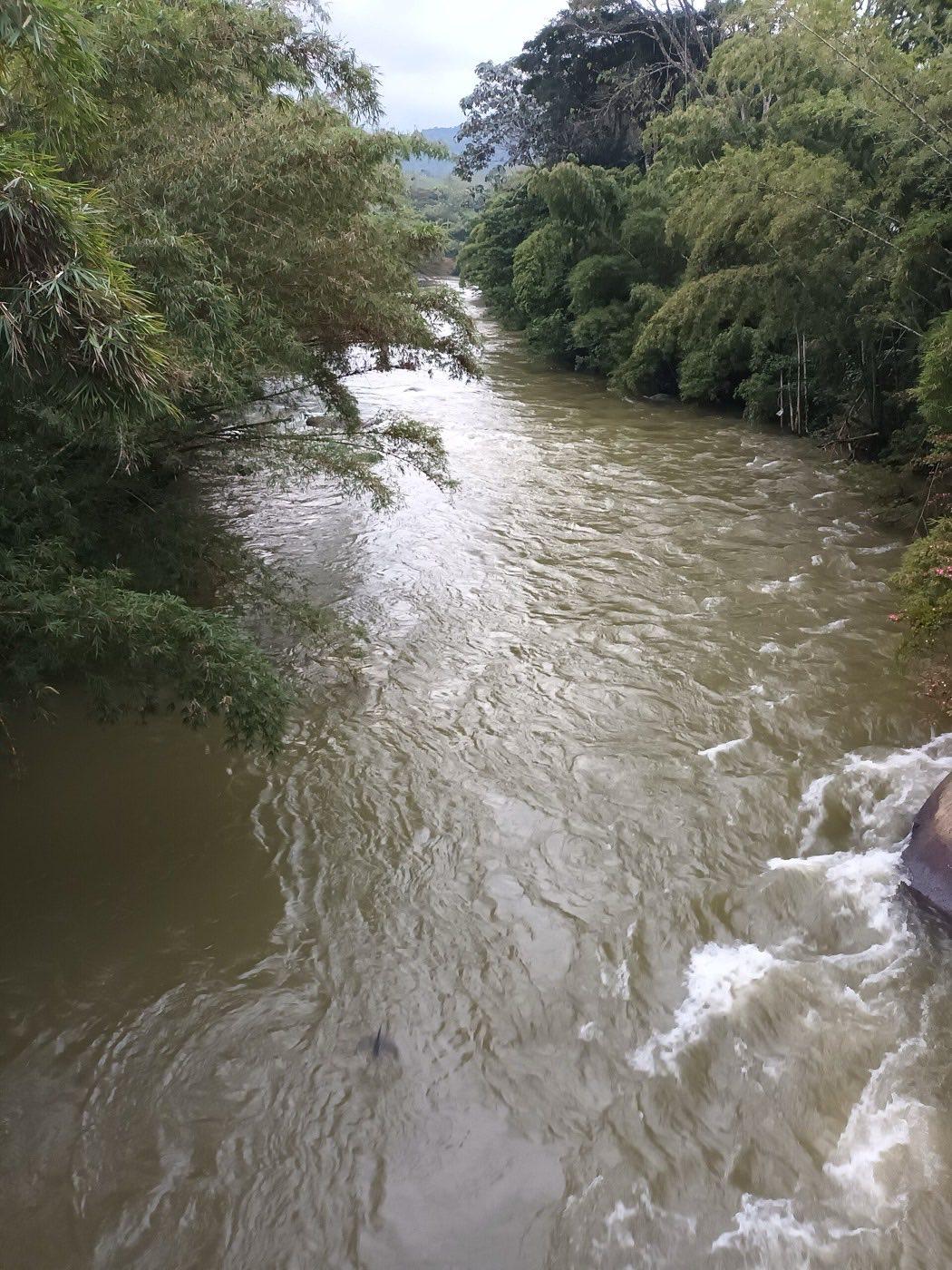
Mountain rivers can rise in minutes, even if it is not raining in town, because the rain falls upstream. Dagran (Antioquia's risk-management agency) asks people to avoid recreation in rivers and streams during the rainy season, not to cross channels while it rains, and to move away if the channel changes or loud noises are heard.
- Look at the sky over the mountains, not just above you. If the water turns muddy or rises, get out now.
- Do not jump into swimming holes whose bottom you cannot see. Depth changes a lot from one spot to the next.
- Follow the instructions of the communities in each area.
- Wear shoes with a firm sole: wet rocks are slippery.
- Ask about the state of the trails before you set out, especially in the rain.
- Go with company and tell someone your route.
Where to stay in San Rafael
The town is small and almost everything is within walking distance of the plaza, with some slopes. One travel guide mentions Sendero del Río Finca Hotel, in the centre and with a pool; Aracari Ecolodge, in a nature reserve near the river; and La Perla Negra Eco Hostel, more remote and with direct access to the river. There are also apartments for rent. Prices are not published reliably, so ask each place for availability and rates.
If you only want one day at the river, you can leave Medellín early and come back in the afternoon. A night in town gives you more time in the water and keeps you from driving after dark.
What to bring for a swimming-hole day
- Swimsuit and dry clothes in a waterproof bag.
- Water sandals or old sneakers with good grip.
- Insect repellent and sunscreen.
- Some cash in small bills.
- Drinking water and something to eat.
- A rain poncho: it rains many days of the year here.
Visiting San Rafael with PH Tours
PH Tours Medellín runs private tours with hotel pickup and guides in English and Spanish, rated 5.0 on Google and Tripadvisor. If you want to get to San Rafael without the hassle, message us on WhatsApp and we will build the plan: private tour or private driver, depending on how many you are and which swimming holes you want to see.
Guatapé and El Peñol Rock are on the way, so they can be added to the day.
San Rafael FAQ
What is there to do in San Rafael, Antioquia?
Swim in swimming holes and rivers (El Trocadero, La Cazuela, La Oscura, La Araña), walk to waterfalls such as La Honda, float the river on a tube, visit a cacao farm and stroll the plaza and the El Jardín bridge.
How many hours is it from Medellín to San Rafael?
Between 2 and 2 h 40 min by car, about 108 to 111 km depending on the source. By bus from the Terminal del Norte, about 3 hours.
How do I get to San Rafael, Antioquia, from Medellín?
By car on the Medellín-Bogotá highway through Guarne, Marinilla, El Peñol and Guatapé; by bus from the Terminal del Norte; or with a private driver. Confirm bus times and fares and tolls before you go.
What is the weather like in San Rafael, Antioquia?
Warm and rainy: an average of 22.8 °C, 3,661 mm of rain a year and 233 rainy days (IDEAM, 1981–2010). January is the least rainy month and October the most.
What is the best time to visit the swimming holes of San Rafael?
There is no clear dry season. January and February get less rain, and July and August have more sun. What matters is going on a clear day.
Is it safe to swim in the swimming holes of San Rafael?
Yes, with precautions: do not go in if it has rained or is raining in the mountains, do not jump without seeing the bottom, follow the community's instructions and wear firm footwear.
What hotels are there in San Rafael, Antioquia?
There are farm hotels, ecolodges and hostels, such as Sendero del Río Finca Hotel, Aracari Ecolodge and La Perla Negra. Ask each one directly for availability and prices.
Can I visit San Rafael and Guatapé on the same day?
They are neighbours: about an hour of road separates them. You can combine them with an early start; message us on WhatsApp for a private plan.
Keep exploring
- Photo: Alejandro Rojas (SajoR), CC BY-SA 4.0, Wikimedia Commons.
- Photo: Jacques Di Saint, CC BY-SA 4.0, Wikimedia Commons.
- Photo: Alejandro Rojas (SajoR), CC BY-SA 4.0, Wikimedia Commons.
Sources
- Wikipedia ES: San Rafael (Antioquia)
- Wikipedia EN: San Rafael, Antioquia (IDEAM 1981–2010 climate)
- Oriente Antioqueño: San Rafael
- Pulzo: Cómo llegar a San Rafael desde Medellín (jun. 2025)
- DiarioOriente: Charcos de La Araña (nov. 2025)
- Infobae: Charco La Oscura (sep. 2026)
- Un Mundo Ahí Afuera: Qué hacer en San Rafael
- Dagran Antioquia: recomendaciones ante lluvias y crecientes